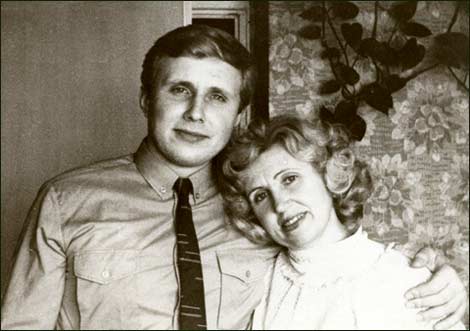



Forensic & Criminological Matrix
| Parameter | Forensic Detail |
|---|---|
| Forensic Heading / Aliases | N/A |
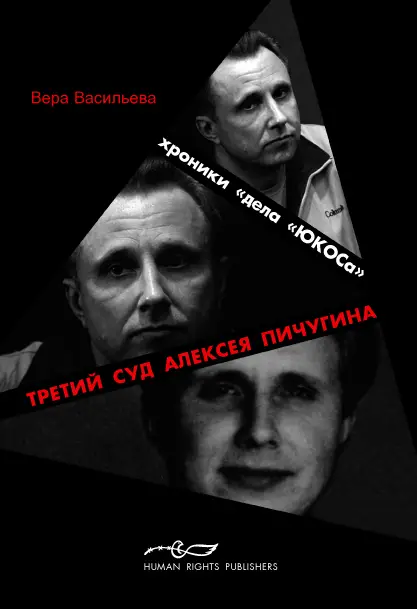
| Legal Identity | Alexey Vladimirovich Pichugin |
| Confirmed Victims | 5 |
| Attributed / Indicted Victims | 5 |
| Active Timeline | 1998 - 2002 |
| Jurisdiction / Area of Operations | Russia |
| Criminological Classification | Corporate hitman / Organized crime |
| Forensic Modus Operandi | Coordination of contract killings via intermediaries |
| Weapon / Mechanism of Death | Firearms, explosives, and physical assault |
| Motive / Behavioral Dynamics | Economic interests and corporate control |
| Judicial Outcome | Life imprisonment |
1. Background and Profile
Born in 1962 in Orekhovo-Zuevo, Alexey Pichugin followed a career path in the Soviet and Russian security apparatus. After graduating from the Interior Ministry's Higher Command School in 1983 and the KGB school in 1986, he served in the military secret service for over a decade. He retired as a Major in 1994, transitioning into the private sector as a security executive for Menatep Bank and later for the Yukos oil company.
2. Criminal Career and Modus Operandi
Pichugin was convicted of orchestrating a series of murders and violent attacks to protect the interests of Yukos. His modus operandi involved hiring criminal elements to eliminate business rivals and officials who opposed the company's expansion. Notable victims included Valentina Korneyeva, Mayor Vladimir Petukhov, and the Gorin couple. The execution of these crimes was characterized by the use of hired guns and professional planning.
3. Investigation and Arrest
Arrested in April 2003, Pichugin's case became a focal point of the Russian government's campaign against Yukos. His defense team alleged that his confession and the evidence against him were obtained through torture and coercion at the Lefortovo prison. The investigation relied heavily on the testimonies of convicted criminals, which the defense argued were unreliable and politically motivated.
4. Legal Proceedings and Outcome
Following multiple trials, Pichugin was sentenced to 20 years in 2005, which was later increased to life imprisonment in 2007. The European Court of Human Rights has scrutinized his trials, noting significant violations of the right to a fair trial. Despite international appeals, Pichugin remains incarcerated, often cited as a central figure in the legal battles surrounding the Yukos case.