Forensic & Criminological Matrix
| Parameter | Forensic Detail |
|---|---|
| Forensic Heading / Aliases | N/A |
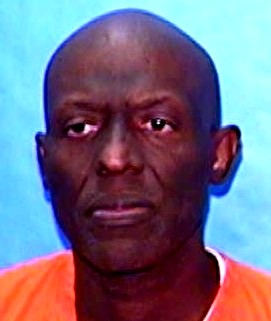
| Legal Identity | Harry Franklin Phillips |
| Confirmed Victims | 1 |
| Attributed / Indicted Victims | 1 |
| Active Timeline | 1982 |
| Jurisdiction / Area of Operations | Dade County, Florida, USA |
| Criminological Classification | Revenge-motivated murderer |
| Forensic Modus Operandi | Ambush and execution via firearm |
| Weapon / Mechanism of Death | Firearm (multiple gunshot wounds) |
| Motive / Behavioral Dynamics | Retaliation against parole supervision system |
| Judicial Outcome | Sentenced to death (multiple appeals pending) |
1. Background and Profile
Harry Franklin Phillips (born April 21, 1945) had a long-standing adversarial relationship with the Florida parole system. For two years prior to the murder, Phillips had repeated confrontations with his parole supervisor, Bjorn Svenson, regarding unauthorized contact with probation officers. These violations resulted in the revocation of his parole and a twenty-month prison term.
2. Crime Spree
On the evening of August 31, 1982, gunfire was reported near the Parole and Probation building in Miami. Bjorn Svenson was found dead in the parking lot. Forensic analysis revealed he was shot twice in the chest, and after attempting to flee, was killed by repeated shots to the head and back. Earlier, on August 24, 1982, shots had been fired into the home of two probation officers who had testified against Phillips.
3. Investigation and Arrest
Law enforcement focused on Phillips' history of threats against parole staff. Following Svenson's murder, Phillips was incarcerated for parole violations. Jailhouse informants later testified that Phillips admitted to killing a parole officer.
4. Legal Proceedings and Outcome
Phillips was indicted for first-degree murder on January 4, 1983. On December 16, 1983, a jury returned a guilty verdict and recommended the death penalty by a 7-5 vote. He was formally sentenced on February 1, 1984. The case has undergone decades of appeals, including claims of ineffective assistance of counsel and mental retardation, with the death sentence being upheld through multiple reviews.