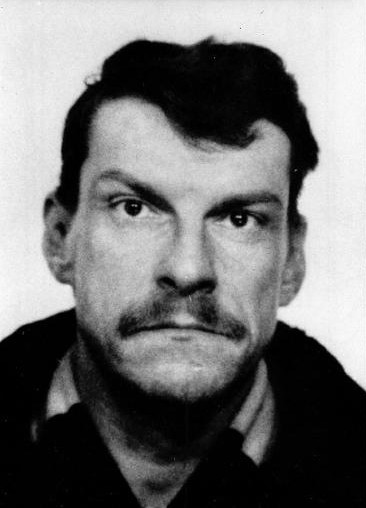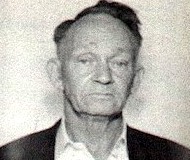
Forensic & Criminological Matrix
| Parameter | Forensic Detail |
|---|---|
| Forensic Heading / Aliases | N/A |
| Legal Identity | Carl Gustaf Christer Pettersson |
| Confirmed Victims | 1 (1970 Manslaughter) |
| Attributed / Indicted Victims | 1 (Olof Palme) |
| Active Timeline | 1970 - 1986 |
| Jurisdiction / Area of Operations | Stockholm, Sweden |
| Criminological Classification | Petty criminal / Assassination suspect |
| Forensic Modus Operandi | Use of firearms and bladed weapons in urban settings |
| Weapon / Mechanism of Death | .357 Magnum Revolver / Bayonet |
| Motive / Behavioral Dynamics | Substance abuse, psychological instability |
| Judicial Outcome | Convicted for 1970 manslaughter; Acquitted for Palme case (1989) |
1. Background and Psychopathy
Born in 1947 in Solna, Pettersson was a promising student until a head injury led to chronic substance abuse. This trauma is cited by criminologists as a catalyst for his shift into a life of petty crime and impulsive violence.
2. Crime Spree
Pettersson's criminal record includes a 1970 manslaughter conviction involving a bayonet. His most notorious association is the 1986 assassination of Olof Palme, where he was identified by the victim's wife as the shooter on Sveavägen.
3. Investigation and Arrest
Despite an exhaustive police investigation involving thousands of tips and the testing of hundreds of firearms, the murder weapon was never recovered. The case against Pettersson relied heavily on eyewitness testimony.
4. Legal Proceedings and Outcome
Pettersson was convicted in 1988 but acquitted in 1989 due to insufficient evidence. He later received compensation for wrongful imprisonment and remained a figure of intense public and media scrutiny until his death in 2004.