




Forensic & Criminological Matrix
| Parameter | Forensic Detail |
|---|---|
| Forensic Heading / Aliases | None |
| Legal Identity | Leo Edward Perry Jr. |
| Confirmed Victims | 1 |
| Attributed / Indicted Victims | 1 |
| Active Timeline | February 21, 1997 |
| Jurisdiction / Area of Operations | Pensacola, Escambia County, Florida |
| Criminological Classification | Murderer |
| Forensic Modus Operandi | Stabbing with a knife after a chance encounter |
| Weapon / Mechanism of Death | Knife (8 wounds) |
| Motive / Behavioral Dynamics | Robbery and substance abuse (crack cocaine) |
| Judicial Outcome | Sentenced to death (remanded for resentencing) |
1. Background and Profile
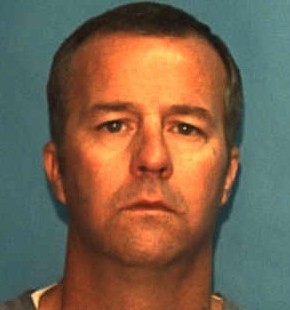
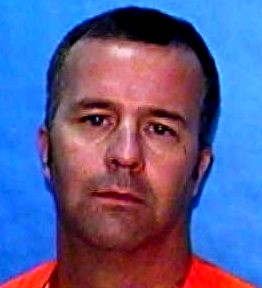
Leo Edward Perry Jr. (born April 2, 1969) is an American offender convicted of the first-degree murder of John Johnson. His criminal profile is characterized by transient behavior, utilizing hitchhiking as a primary mode of transport, which led to the fatal encounter with the victim.
2. Crime Spree
On February 21, 1997, Perry murdered 75-year-old John Johnson in a Pensacola motel room. Johnson had checked in alone on February 20. Perry, who had been picked up by Johnson while hitchhiking in Alabama, was invited to stay in the room. Perry claimed that after a night of drinking and smoking crack, he awoke to find the victim in a compromising position and, due to intoxication, could not recall the subsequent events. The victim suffered eight stab wounds. Perry cleaned the scene and fled in Johnson's truck.
3. Investigation and Arrest
Forensic evidence was critical: Perry's fingerprints were found on a soap wrapper, his DNA was linked to blood on a towel, and his saliva was found on a cigarette butt. The victim's blood was found on a bathroom light switch. A neighbor witnessed a man matching Perry's description fleeing in the victim's truck. The vehicle was later recovered in Palm Beach County.
4. Legal Proceedings and Outcome
Indicted on November 24, 1997, for first-degree murder, Perry was found guilty on July 22, 1999. The jury recommended the death penalty, which was formally imposed on August 26, 1999, by Judge Joseph Q. Tarbuck. On appeal, the Florida Supreme Court affirmed the conviction in 2001 but remanded the case for resentencing due to the improper admission of character evidence regarding the defendant's past violent behavior.