Forensic & Criminological Matrix
| Parameter | Forensic Detail |
|---|---|
| Forensic Heading / Aliases | The Olot Gunman, The Sheriff of Olot |
| Legal Identity | Pere Puig Puntí |
| Confirmed Victims | 4 |
| Attributed / Indicted Victims | 6 |
| Active Timeline | December 15, 2010 |
| Jurisdiction / Area of Operations | Olot, Girona, Spain |
| Criminological Classification | Mass Murderer |
| Forensic Modus Operandi | Execution with a hunting rifle in public spaces |
| Weapon / Mechanism of Death | Verney-Carron semi-automatic rifle |
| Motive / Behavioral Dynamics | Economic conflict and persecutory delusions |
| Judicial Outcome | Sentenced to 60 years in prison |
1. Background and Profile
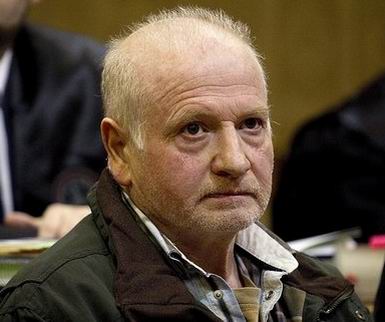
Pere Puig Puntí was a 57-year-old construction worker known for his eccentric behavior, including dressing as a 'sheriff' while hiking in the mountains. He lived a solitary life with his elderly father and had worked for the Tubert construction firm for over two decades. Despite his oddities, he held a legal hunting license and passed all required psychological evaluations.
2. Crime Spree
On the morning of December 15, 2010, Puig initiated a pre-planned attack. He entered 'La Cuina de l’Anna' bar and shot his former employers, Joan and Àngel Tubert. He then drove to a local bank branch and killed two employees, Rafael Turró and Anna Pujol. Evidence suggested he intended to kill two additional individuals, but they were not present at the locations.
3. Investigation and Arrest
Puig was apprehended by local police officers who were in the process of ticketing his illegally parked vehicle outside the bank. He surrendered without resistance, admitting to the murders immediately. His calm demeanor during the arrest was noted by authorities.
4. Legal Proceedings and Outcome
During his 2011 trial, the defense argued that Puig suffered from severe personality disorders. However, court-appointed forensic psychiatrists testified that he was fully aware of his actions and possessed no mental illness that would mitigate his criminal responsibility. The jury found him guilty on all counts, and he was sentenced to 60 years in prison.