


Forensic & Criminological Matrix
| Parameter | Forensic Detail |
|---|---|
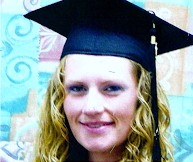
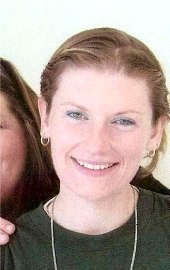
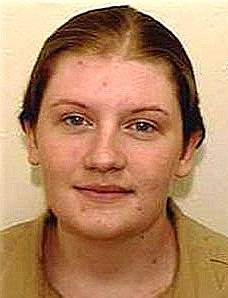
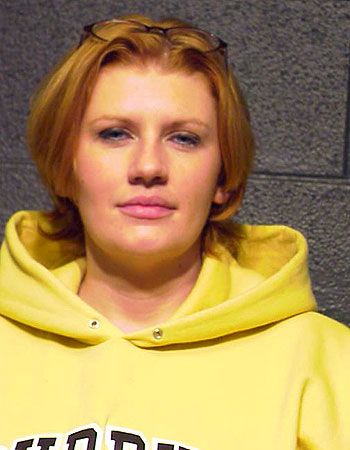
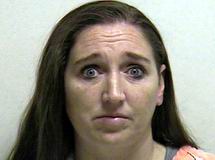
| Forensic Heading / Aliases | Sarah Pender ("The Female Charles Manson") |
| Legal Identity | Sarah Jo Pender |
| Confirmed Victims | 2 (Andrew Cataldi and Tricia Nordman) |
| Active Timeline | October 24, 2000 |
| Jurisdiction / Area of Operations | Indianapolis, Indiana, United States |
| Criminological Classification | Murder conspiracy / Co-conspirator manipulator |
| Forensic Modus Operandi | Criminal conspiracy, psychological manipulation of male accomplices for material execution, subsequent robbery and evidence destruction |
| Weapon / Mechanism of Death | Firearms (multiple gunshot wounds) |
| Motive / Behavioral Dynamics | Financial disputes, living arrangements conflicts, and control within a subcultural drug environment |
| Judicial Outcome | Sentenced to 110 years in prison in 2002; prison escape in 2008 with subsequent recapture; appeals denied through 2026 |
1. Background and Psychopathy
Sarah Jo Pender grew up in the United States amidst social instability and substance abuse environments. By the late 1990s and 2000, she operated within fringe circles in Indianapolis alongside her romantic partner, Richard Edward Hull. Pender exhibited high interpersonal dominance and manipulation skills over her associates, leading prosecutors and media outlets to draw cult-like parallels, dubbing her "the female Charles Manson."
2. Crime Spree
On October 24, 2000, inside a shared apartment in Indianapolis, roommates Andrew Cataldi and Tricia Nordman were brutally murdered. According to investigative findings, Pender orchestrated the plot following financial and domestic disputes with the victims. Exploiting her psychological influence over Richard Hull and an acquaintance named Floyd Pennington, she directed the execution of the murders. Cataldi and Nordman were shot while asleep, after which Pender coordinated the cover-up, asset theft, and evidence destruction.
3. Investigation and Manhunt
Forensic analysis and police interrogation quickly exposed inconsistencies in the suspects' alibis. Ballistic evidence, coupled with a confession and cooperation agreement from Floyd Pennington, directly implicated both Hull and Pender. Investigators established that while Hull pulled the triggers, Pender was the mastermind who planned the crime, directed the cleanup, and distributed stolen goods.
4. Legal Proceedings and Outcome
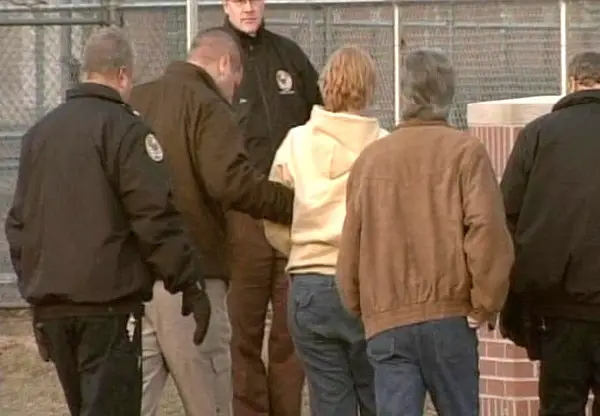
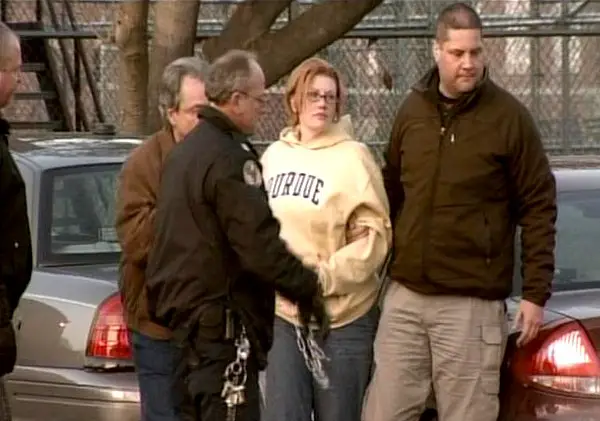
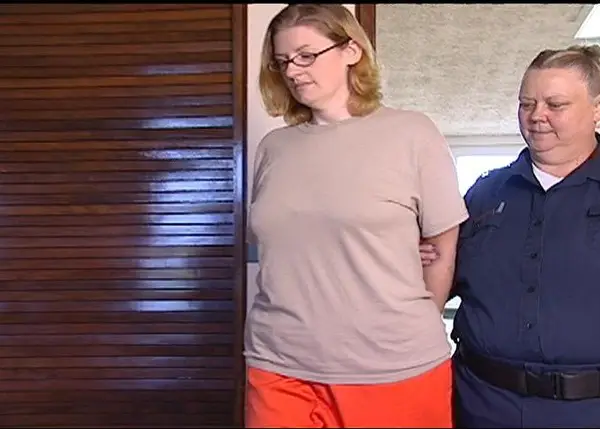
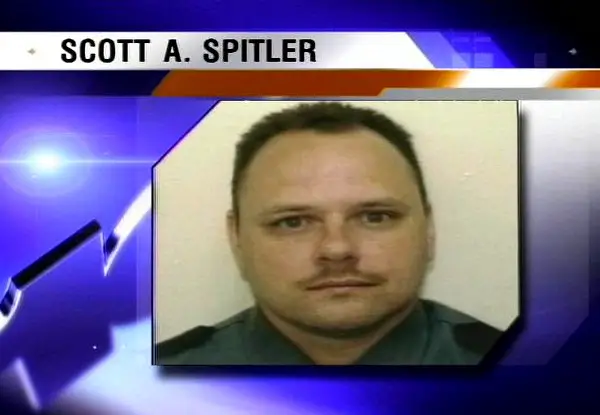
During the 2002 trial, a jury convicted both Hull and Pender of murder. Pender received a cumulative sentence of 110 years. While serving her sentence at the Rockville Correctional Facility, Pender engineered a high-profile escape in August 2008 with the aid of a prison guard, landing her on the television program America's Most Wanted. Her fugitive status ended in December 2008 when law enforcement recaptured her at a residence in Chicago.
5. Psychiatric Assessment and Aftermath
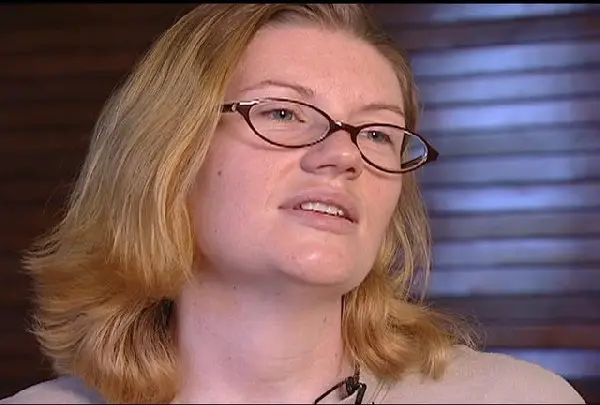
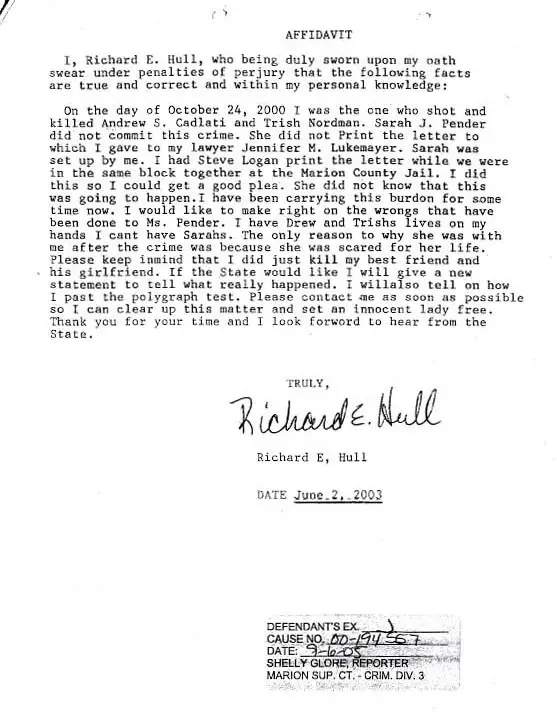
Throughout her incarceration, Pender has maintained her innocence, claiming wrongful conviction and insisting Hull acted independently. Her case attracted renewed academic attention when Georgetown University's "Making an Exoneree" program took up her case in 2023. Nevertheless, judicial challenges were rejected, and in January 2026 her latest appeal was denied, establishing her earliest possible release date in 2054.