Forensic & Criminological Matrix
| Parameter | Forensic Detail |
|---|---|
| Forensic Heading / Aliases | Pervis Tyrone Payne |
| Legal Identity | Pervis Tyrone Payne |
| Confirmed Victims | 2 |
| Attributed / Indicted Victims | 2 |
| Active Timeline | June 27, 1987 |
| Jurisdiction / Area of Operations | Millington, Tennessee, USA |
| Criminological Classification | Multiple Homicide |
| Forensic Modus Operandi | Stabbing with a butcher knife |
| Weapon / Mechanism of Death | Butcher knife |
| Motive / Behavioral Dynamics | Drug-induced frenzy (cocaine/alcohol) |
| Judicial Outcome | Sentenced to death (1988) |
1. Background and Psychopathy
Pervis Tyrone Payne was born on March 1, 1967. Prior to the 1987 incident, he had no criminal record and was described by family as a polite individual who worked as a painter. On the day of the crime, he had been consuming cocaine and malt liquor, which triggered a violent, drug-induced episode.
2. Crime Spree
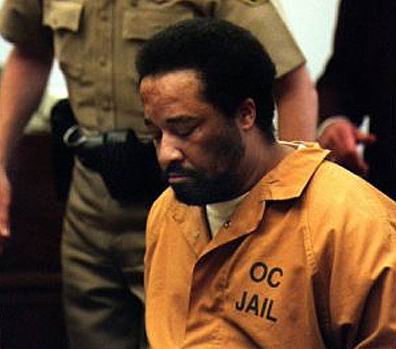
On June 27, 1987, Payne entered the Hiwassee Apartment complex in Millington. He attacked Charisse Christopher (28) and her daughter Lacie Jo (2) with a butcher knife, inflicting 84 wounds. Charisse's son, Nicholas, was also stabbed but survived. Forensic evidence at the scene included Payne's fingerprints and blood-soaked clothing matching the victims' blood types.
3. Investigation and Arrest
Police were dispatched following reports of screaming. An officer encountered Payne leaving the scene covered in blood. Payne fled but was apprehended later that day in an attic. His belongings, including a bloody shirt, were recovered from a nearby dumpster.
4. Legal Proceedings and Outcome
Payne was convicted of first-degree murder and sentenced to death in 1988. The case became a landmark in U.S. law, Payne v. Tennessee (1991), where the Supreme Court ruled that victim impact statements are admissible during sentencing. Payne remains on death row.