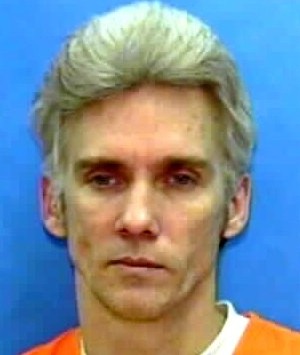
Forensic & Criminological Matrix
| Parameter | Forensic Detail |
|---|---|
| Forensic Heading / Aliases | N/A |
| Legal Identity | Robert Lester Patton |
| Confirmed Victims | 1 |
| Attributed / Indicted Victims | 1 |
| Active Timeline | September 2, 1981 |
| Jurisdiction / Area of Operations | Dade County, Florida, USA |
| Criminological Classification | Cop Killer |
| Forensic Modus Operandi | Ambush and execution via firearm |
| Weapon / Mechanism of Death | Firearm (recovered under a heating grate) |
| Motive / Behavioral Dynamics | Evasion of arrest and violent reaction |
| Judicial Outcome | Sentenced to death (re-sentenced in 1989) |
1. Background and Profile
Robert Lester Patton (born April 28, 1957) had a documented history of mental instability. In 1978, he was adjudicated not guilty by reason of insanity on a charge of receiving stolen property and was involuntarily committed to the Department of Health and Rehabilitative Services for treatment.
2. Crime Spree
On September 2, 1981, Patton was operating a stolen vehicle in the wrong direction on a one-way street in Miami. When a police officer attempted to stop him, Patton fled on foot. The officer pursued him into an alleyway, where Patton ambushed the officer and fired twice. The first bullet pierced the officer's heart, killing him instantly; the second bullet struck the officer's foot, confirming a post-mortem shot. Patton then carjacked another vehicle at gunpoint to escape the scene.
3. Investigation and Arrest
Patton was apprehended on the day of the crime. On September 4, 1981, police executed a search warrant at his grandmother's home, discovering the murder weapon concealed beneath a heating grate.
4. Legal Proceedings and Outcome
Patton was indicted on counts of grand theft, first-degree murder, and armed robbery. Following a jury recommendation for death in 1982, his sentence was vacated in 1985 due to procedural issues, leading to a re-sentencing on May 15, 1989, where he was again sentenced to death. The Florida Supreme Court affirmed the sentence in 1992, and subsequent appeals regarding ineffective counsel and mental health defenses have been denied.