


Forensic & Criminological Matrix
| Parameter | Forensic Detail |
|---|---|
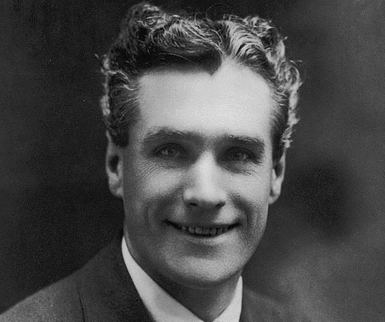
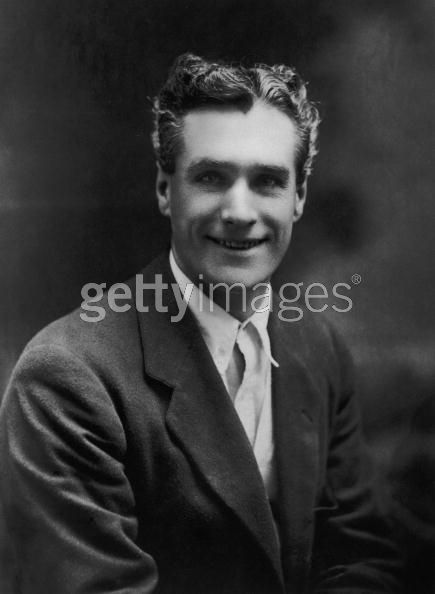
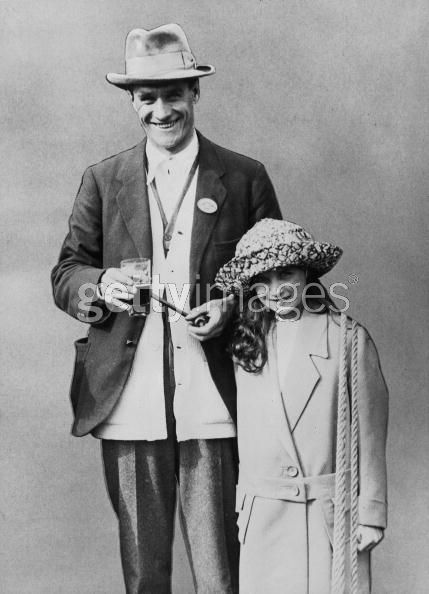
| Full Legal Name | Patrick Herbert Mahon. |
| Criminal Moniker | The Crumbles Bungalow Murderer. |
| Forensic Landmark | Celebrated masterwork of British forensic pathology spearheaded by Sir Bernard Spilsbury, who reconstructed over a thousand fragments of boiled, charred, and dismembered human remains to prove identity, pregnancy, and cause of death. |
| Criminological Classification | Premeditated greed and convenience murderer / Post-mortem anatomical dismemberer. |
| Date of Crime | Tuesday, April 15, 1924. |
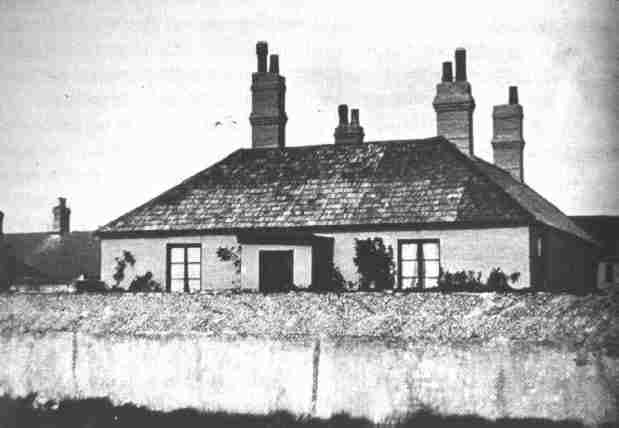
| Crime Scene | Officer's House coastal bungalow, The Crumbles shingle beach, Eastbourne, East Sussex (England). |
| Fatal Victim | Emily Beilby Kaye (aged 37, London shorthand-typist and pregnant mistress of Mahon). |
| Weapons / Instruments | Blunt cranial impact, chef's carving knives, meat tenon saw, kitchen boiling cauldrons, and open coal hearth. |
| Motive | Theft of over £400 in personal savings certificates and eradication of an extramarital pregnancy to insulate his domestic marriage from scandal. |
| Judicial Disposition & Execution | Convicted of capital murder in July 1924 at Lewes Assizes; hanged at Wandsworth Prison (London) on September 9, 1924, by executioner Thomas Pierrepoint. |
Introduction: The Forensic Puzzle of The Crumbles
In the spring of 1924, a desolate tract of coastal shingle known as The Crumbles, adjoining the Sussex seaside resort of Eastbourne, became the setting of one of the most grotesque domestic dismemberments in British legal history.
Inside a secluded leased bungalow facing the English Channel, a charismatic London cashier murdered his pregnant mistress and embarked on an exhaustive attempt to obliterate her physical existence: severing her limbs, boiling soft tissue in stockpots, burning bone fragments in the fireplace, and stashing internal organs in luggage. The pioneering forensic methodology of Home Office pathologist Sir Bernard Spilsbury transformed this house of horrors into a landmark triumph of modern forensic science.
Charm, Extortion, and Concealed Pregnancy
Patrick Herbert Mahon, aged 35, was an athletic, stylishly dressed confidence trickster with prior convictions for embezzlement and burglary. Married and employed in Richmond, he began an affair in late 1923 with Emily Beilby Kaye, an unmarried 37-year-old secretary possessing independent financial savings.
Believing Mahon's assurances that he would divorce his wife and start a new life with her in South Africa, Kaye transferred her life savings to him and disclosed in early 1924 that she was pregnant. For Mahon, this news was disastrous: he had no intention of leaving his wife or supporting a child, but he was determined to retain Kaye's money.
The Crumbles Bungalow and The Murder
On April 12, 1924, Mahon rented the Officer's House bungalow at The Crumbles under a false name for an experimental "trial domestic holiday" with Emily. Prior to departing London, he visited a Victoria Street hardware merchant to purchase a 10-inch carving knife and a meat tenon saw:
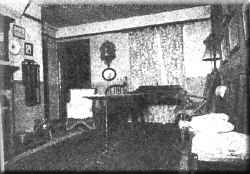
- On the evening of April 15, 1924, inside the living room, Mahon struck Kaye down. Although he later concocted a desperate story claiming she had attacked him with a coal poker and struck her head on a coal scuttle, forensic trajectory proved deliberate homicidal bludgeoning.
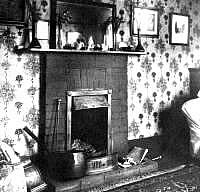
- Over subsequent days, Mahon implemented a systematic disposal operation: he severed the body in the bath, boiled flesh in a large galvanized pot on the kitchen stove to destroy recognizable contours, and calcined bones in the parlor fireplace.
- He packed Kaye's head, pelvic organs, and viscera into a locked Gladstone traveling bag and a wicker hamper.
- Displaying sociopathic detachment, Mahon entertained another female guest at the bungalow the very next weekend, sleeping in the master bedroom while Kaye's remains were locked in the adjacent room.
The Waterloo Baggage Check and Arrest
Mahon's undoing stemmed from his wife's domestic suspicions. Assuming he was involved in clandestine betting, she searched his garments and uncovered a left-luggage cloakroom claim ticket for Waterloo railway station in London.
She passed the ticket to an investigator friend, who alerted Scotland Yard. Detectives inspected the locker at Waterloo and opened the Gladstone bag: inside they discovered bloodstained clothing and human visceral tissue wrapped in a silk scarf bearing Emily Kaye's initials.
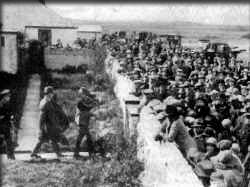
On May 2, 1924, when Mahon arrived at Waterloo to retrieve the bag, detectives arrested him on the platform.
Spilsbury's Anatomical Reconstruction
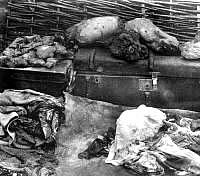
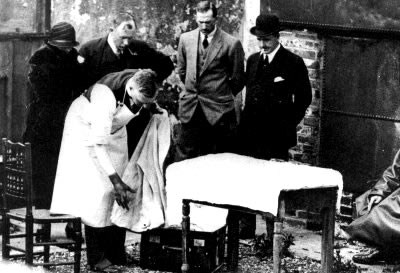
Upon searching the Crumbles bungalow, Scotland Yard discovered galvanized tubs containing boiled tissue, ashes encrusted with bone fragments, and severed organs.
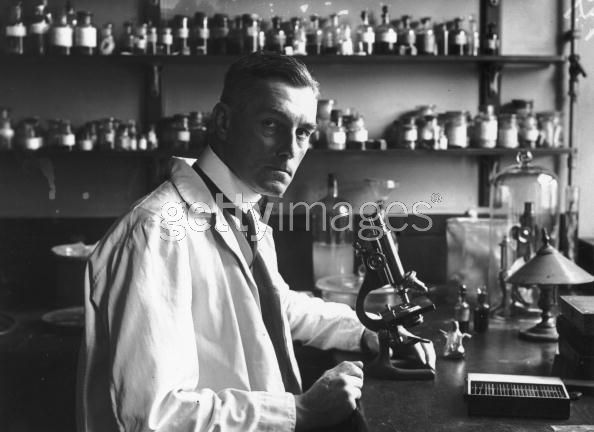
Sir Bernard Spilsbury assumed command of the post-mortem inquiry. In a masterclass of forensic pathology:
- He painstakingly reassembled the jigsaw of scorched and boiled tissue upon a mortuary table.
- He isolated the intact uterus, demonstrating microscopic evidence of early-stage pregnancy and validating the prosecution's motive.
- He demonstrated that the clean saw cuts were executed post-mortem by a calm, deliberate hand, dismantling Mahon's claim of an accidental scuffle.
Lewes Assizes Trial and Execution
Mahon's trial opened in July 1924 at Lewes Assizes before Mr. Justice Avory. Senior Crown counsel Sir Henry Curtis Bennett shredded Mahon's testimony against the unshakeable scientific evidence presented by Spilsbury.
The jury deliberated for forty-five minutes before returning a guilty verdict for premeditated murder. Justice Avory pronounced the death sentence.
Patrick Herbert Mahon was executed by hanging at Wandsworth Prison on September 9, 1924, by executioner Thomas Pierrepoint. The Crumbles case remains an enduring benchmark in the development of modern forensic pathology.