





Forensic & Criminological Matrix
| Parameter | Forensic Detail |
|---|---|
| Forensic Heading / Aliases | null |
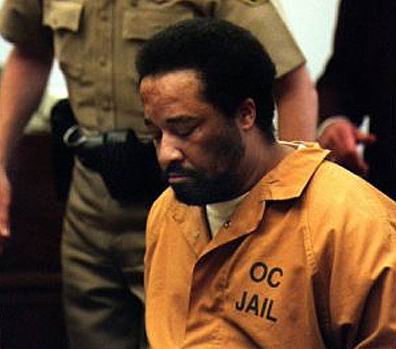
| Legal Identity | Willie Williams Palmer |
| Confirmed Victims | 2 |
| Attributed / Indicted Victims | 2 |
| Active Timeline | September 10, 1995 |
| Jurisdiction / Area of Operations | Vidette, Burke County, Georgia |
| Criminological Classification | Domestic murderer |
| Forensic Modus Operandi | Forced entry, telephone line disconnection, and execution-style shooting |
| Weapon / Mechanism of Death | .22 caliber rifle |
| Motive / Behavioral Dynamics | Revenge, control, and domestic violence |
| Judicial Outcome | Sentenced to death (1997) |
1. Background and Profile
Born in 1952, Willie Williams Palmer had a documented history of physical abuse against his wife, Brenda Jenkins Palmer. The couple married in 1993 and had a child in 1994. Palmer's behavior was characterized by extreme possessiveness and violence, leading to his incarceration in July 1995 for violating a restraining order. He frequently threatened to kill his wife if she attempted to leave him or take property.
2. Crime Spree
On September 10, 1995, shortly after his release from jail, Palmer executed a premeditated plan. After harassing his ex-girlfriend earlier that day, he drove to his wife's home in Vidette with his nephew, Frederico Palmer. Upon arrival, he forced entry and had the phone line disconnected. He then shot his 15-year-old stepdaughter, Christine Jenkins, in the face. He proceeded to the back room and shot his wife, Brenda, twice in the head while she held their infant daughter.
3. Investigation and Arrest
The investigation relied heavily on the confession of Frederico Palmer, who acted as an accomplice. He led police to the location where the murder weapon, gloves, and shoes had been discarded. Ballistics testing confirmed the .22 rifle belonged to Palmer, a weapon previously identified by law enforcement during a 1992 traffic stop.
4. Legal Proceedings and Outcome
Palmer was arrested two days after the murders. During his trial in Burke Superior Court, he attempted to claim mental retardation, but state experts testified he was malingering during IQ testing. He was convicted of multiple counts, including malice murder, and was sentenced to death on November 8, 1997. The conviction was affirmed by the Georgia Supreme Court in 1999.