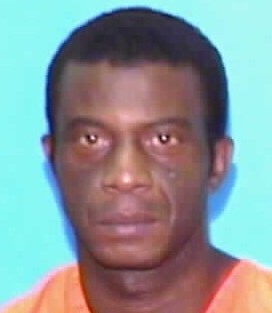
Forensic & Criminological Matrix
| Parameter | Forensic Detail |
|---|---|
| Forensic Heading / Aliases | N/A |
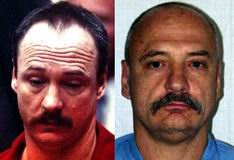
| Legal Identity | Bruce Douglas Pace |
| Confirmed Victims | 1 |
| Attributed / Indicted Victims | 1 |
| Active Timeline | November 4, 1988 |
| Jurisdiction / Area of Operations | Santa Rosa County, Florida, USA |
| Criminological Classification | Robbery-Homicide |
| Forensic Modus Operandi | Shotgun execution from passenger seat |
| Weapon / Mechanism of Death | Shotgun |
| Motive / Behavioral Dynamics | Financial distress and robbery |
| Judicial Outcome | Sentenced to death (November 16, 1989) |
1. Background and Profile
Bruce Douglas Pace (born December 12, 1959) had a prior criminal record involving armed robbery. In 1982, he was convicted of robbery with a firearm and sentenced to 15 years after violating probation. He was released on March 10, 1987, approximately 20 months before the murder of Floyd Covington.
2. Crime Spree
On November 4, 1988, Pace murdered Floyd Covington, a taxi driver. Forensic evidence indicated that Covington was shot twice in the chest with a shotgun while sitting in the driver's seat, with the shots fired from the passenger side. The victim's vehicle was concealed with brush in a wooded area. The body was discovered on November 10, 1988, 12 miles away from the vehicle.
3. Investigation and Arrest
Following a missing person report filed on November 7, 1988, law enforcement located the victim's vehicle. Pace, who had been seen with the victim on the day of the murder, initially provided a convoluted story to his stepfather about being attacked and rendered unconscious. He eventually surrendered to the sheriff's office. Forensic analysis of the crime scene and ballistics linked him to the weapon.
4. Legal Proceedings and Outcome
Indicted on December 14, 1988, for first-degree murder and robbery with a firearm, Pace was found guilty on all counts on August 25, 1989. On November 16, 1989, he was sentenced to death. Subsequent appeals, including claims of ineffective assistance of counsel and failure to present an insanity defense, were systematically denied by the Florida Supreme Court and the U.S. Supreme Court.