Forensic & Criminological Matrix
| Parameter | Forensic Detail |
|---|---|
| Forensic Heading / Aliases | Walkin' Wili |
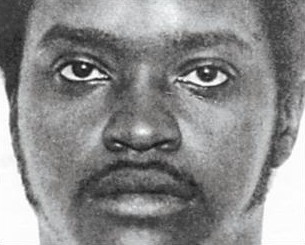
| Legal Identity | Harold Lamont Otey |
| Confirmed Victims | 1 |
| Attributed / Indicted Victims | 1 |
| Active Timeline | 1977 |
| Jurisdiction / Area of Operations | Omaha, Nebraska |
| Criminological Classification | Sexual Homicide |
| Forensic Modus Operandi | Sexual assault and homicide in residence |
| Weapon / Mechanism of Death | Physical violence / Strangulation |
| Motive / Behavioral Dynamics | Sexual assault and robbery |
| Judicial Outcome | Death penalty (electrocution) |
1. Background and Profile
Harold Lamont Otey (1951–1994) was an American criminal whose life was characterized by early tragedy and social isolation. These factors were analyzed by forensic experts as contributing elements to his antisocial behavioral patterns, which eventually manifested in the 1977 capital offense.
2. Crime Spree
In 1977, Otey targeted Jane McManus, a 26-year-old photography student in Omaha. He gained entry to her home, where he committed a violent sexual assault followed by her murder. The case was marked by the extreme nature of the violence inflicted upon the victim.
3. Investigation and Arrest
Law enforcement conducted a thorough investigation, leading to Otey's arrest. Despite his initial confession, Otey spent over 15 years maintaining his innocence and challenging his conviction through various legal appeals, which became a significant point of contention in the Nebraska legal system.
4. Legal Proceedings and Outcome
Otey was convicted of rape and murder. His execution in 1994 marked a historical milestone as the first execution in Nebraska since the reinstatement of the death penalty in 1976. He was executed via the electric chair, the first such instance in the state since 1959.
5. Psychiatric Assessment and Conclusion
Otey's final days were the subject of intense media scrutiny, notably documented by CBS News' '48 Hours' in the program 'Death by Midnight'. His execution concluded a long-standing legal battle that highlighted the complexities of capital punishment in the United States.