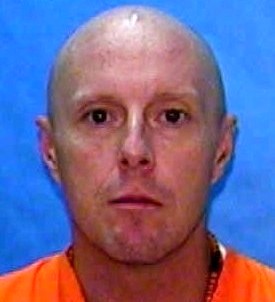





Forensic & Criminological Matrix
| Parameter | Forensic Detail |
|---|---|
| Forensic Heading / Aliases | The Florida Strangler |
| Legal Identity | Roderick Michael Orme |
| Confirmed Victims | 1 |
| Attributed / Indicted Victims | 1 |
| Active Timeline | March 3, 1992 |
| Jurisdiction / Area of Operations | Bay County, Florida |
| Criminological Classification | Sexual Murderer |
| Forensic Modus Operandi | Manual strangulation following sexual battery |
| Weapon / Mechanism of Death | Manual strangulation |
| Motive / Behavioral Dynamics | Substance abuse, robbery, bipolar disorder |
| Judicial Outcome | Death sentence (subject to resentencing) |
1. Background and Profile
Roderick Michael Orme was born on November 24, 1961. His life was characterized by chronic substance abuse and untreated mental health issues, specifically bipolar disorder. His history of addiction and erratic behavior culminated in the 1992 homicide of Lisa Redd, a nurse who had attempted to assist him during a drug-induced crisis.
2. Crime Spree
On March 3, 1992, while staying at Lee's Motel in Panama City, Orme contacted Lisa Redd. Following a confrontation regarding his drug use, Orme subjected the victim to a severe beating and manual strangulation. He subsequently stole her purse and vehicle, fleeing the scene while the victim lay deceased in the motel room.
3. Investigation and Arrest
Police were led to the crime scene after Orme checked himself into a recovery center on March 4, 1992, suffering from acute cocaine withdrawal. Staff at the facility discovered his note referencing the motel room. Forensic evidence, including DNA matching Orme to the victim's undergarments and fingerprints found in the room, provided an irrefutable link to the crime. He was arrested on March 6, 1992.
4. Legal Proceedings and Outcome
Orme was indicted on counts of first-degree murder, robbery, and sexual battery. A jury found him guilty on all counts in February 1993, and he was sentenced to death in March 1993. His legal journey involved multiple appeals. In 2005, the Florida Supreme Court reversed the denial of his 3.850 motion, citing ineffective assistance of counsel regarding the failure to present evidence of his bipolar disorder during the penalty phase, leading to a remand for resentencing.