


Forensic & Criminological Matrix
| Parameter | Forensic Detail |
|---|---|
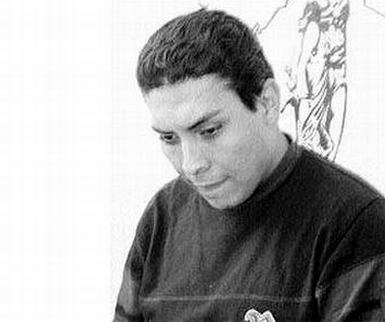
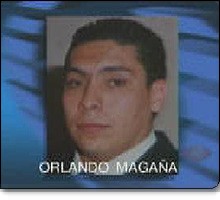
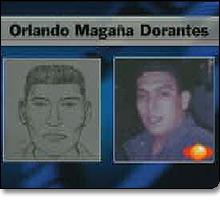
| Full Legal Name | Orlando Magaña Vargas. |
| Criminal Moniker | The Tlalpan Killer (El Asesino de Tlalpan / The Narezo Family Massacre). |
| Historical Penal Landmark | Perpetrator of the deadliest single domestic home massacre in modern Mexico City history, receiving the longest nominal prison sentence ever handed down by a capital criminal tribunal: 384 years' imprisonment. |
| Criminological Classification | Mass murderer / Home invasion extermination killer / Aggravated betrayal-of-trust executioner (Home invasion mass killer). |
| Date of Crime | Friday, November 15, 2002. |
| Crime Scene | Residence on Calle Cerro del Hombre, Toriello Guerra neighborhood, Tlalpan Borough, Mexico City (Mexico). |
| Fatalities | 7 individuals executed at point-blank range: |
| Sole Survivor | Juan Manuel Narezo Jr. (aged 17), who was shot through the jaw and neck, played dead amidst the carnage, and survived to identify the perpetrator. |
| Weapon Used | 9mm semiautomatic pistol muffled with damp towels. |
| Motive | Aggravated larceny (stealing jewelry, vehicles, and currency) combined with the absolute extermination of all eyewitnesses to insulate Magaña, who was an established acquaintance of the family. |
| Judicial Disposition | Sentenced in October 2003 by the 61st Criminal Court of Mexico City to 384 years' imprisonment (subject to the constitutional maximum cap of 50 years' actual custodial confinement). Incarcerated at Reclusorio Preventivo Varonil Oriente. |
Introduction: The Slaughter on Cerro del Hombre
In mid-November 2002, the quiet residential neighborhood of Toriello Guerra in southern Mexico City was plunged into shock by the discovery of an unprecedented domestic slaughter. Inside a prosperous multi-story home on Calle Cerro del Hombre, seven people—five members of the respected Narezo Loyola family and two female household employees—were discovered bound, blindfolded with duct tape, and executed with gunshot wounds to the head.
A single seventeen-year-old youth, Juan Manuel Narezo Jr., survived the massacre. Sustaining a gunshot wound through the jaw, the boy held his breath, played dead among the bodies of his parents and siblings, and freed himself to sound the alarm once the killers departed. The revelation of the lead perpetrator's identity stunned the capital: Orlando Magaña Vargas, a twenty-six-year-old acquaintance who had frequently been welcomed into the home as a guest.
The Premeditated Betrayal
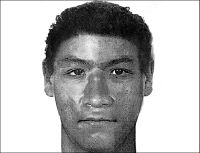
Orlando Magaña Vargas, who possessed minor prior criminal entanglements and struggled with substance dependency, had established a friendship months earlier with Luis Sergio Narezo through the local automotive scene. Aware that Juan Manuel Narezo Sr. was a successful customs attorney with luxury automobiles, jewelry, and substantial cash stored in the house, Magaña orchestrated a predatory invasion.
Enlisting an armed accomplice known in criminal circles as "El Ántrax" (Jorge Sánchez Pérez), Magaña planned the robbery under the cold operational calculation that every occupant of the house had to be eliminated to prevent his identification.
Anatomy of the Twelve-Hour Ordeal
On the afternoon of November 15, 2002, Magaña knocked on the door of the Narezo residence. Recognizing him, family members opened the door without hesitation:
- Hostage Subjugation: Magaña and his accomplice drew firearms, subduing the occupants. As family members returned home and domestic staff performed chores, each victim was immobilized, bound hand and foot with heavy duct tape, and blindfolded in separate rooms.
- Pillage and Ransacking: Over twelve agonizing hours, the assailants ransacked bedrooms, forced the father to surrender safe combinations and cash, and loaded luxury electronics and jewelry into the family's automobiles.
- Systematic Executions: To guarantee zero living witnesses, Magaña methodically executed the hostages one by one. Wrapping a damp towel around the muzzle of his 9mm pistol to dampen the sound, he fired bullets into the skulls of the parents, the three children (including 13-year-old Leonardo), and both maids.
- The Miraculous Survival: When Magaña shot seventeen-year-old Juan Manuel Jr., the projectile severed tissue in his jaw and neck without destroying vital arteries or the spinal cord. The teenager remained motionless on the bloody floor. Satisfied that all occupants were dead, the killers fled the scene in the stolen vehicles.
Escape, Identification, and Capture
Summoning desperate strength once the garage doors closed, Juan Manuel Jr. severed his duct-tape ligatures and stumbled into the street drenched in blood, alerting neighbors who summoned paramedics and municipal police.
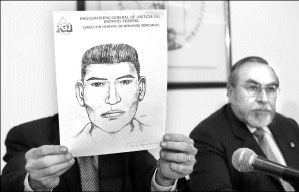
From his hospital bed, the youth provided detectives from the Mexico City Attorney General's Office (PGJDF) with the unequivocal name of his family's assassin: Orlando Magaña. Law enforcement launched an emergency dragnet across central Mexico.
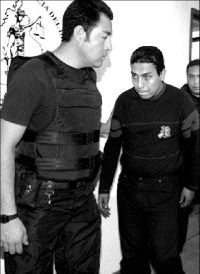
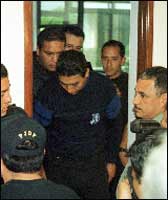
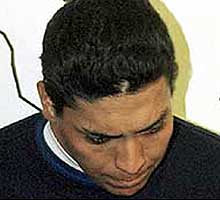
On November 23, 2002, eight days after the massacre, judicial police captured Orlando Magaña in Cuautitlán Izcalli, State of Mexico, where he was attempting to fence the stolen family jewelry.
Historic 384-Year Sentence
Confronted with latent fingerprints lifted from the duct tape, recovered jewelry, and the testimony of the surviving victim, Magaña attempted to place blame on his fugitive accomplice. Forensic ballistics and crime scene trajectory reconstruction confirmed that Magaña personally pulled the trigger on the victims.
In October 2003, Mexico City's 61st Criminal Court sentenced Orlando Magaña Vargas to:
- 384 years' imprisonment for multiple counts of aggravated homicide, attempted homicide, aggravated robbery, and false imprisonment.
- Although the Mexican Constitution caps real-term incarceration at 50 continuous years, the historic 384-year penalty stood as a monumental testament to the severity of the crime.
Orlando Magaña remains in maximum-security confinement at Reclusorio Preventivo Varonil Oriente in Mexico City.