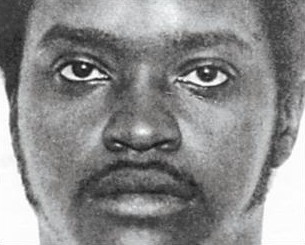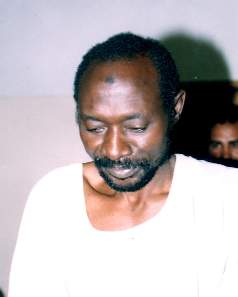
Forensic & Criminological Matrix
| Parameter | Forensic Detail |
|---|---|
| Forensic Heading / Aliases | The Sanaa Ripper |
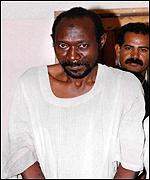
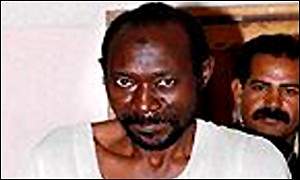
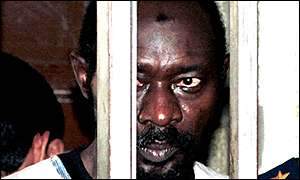
| Legal Identity | Mohammed Adam Omar Ishaak |
| Confirmed Victims | 2 |
| Attributed / Indicted Victims | 51 |
| Active Timeline | 1995-1999 |
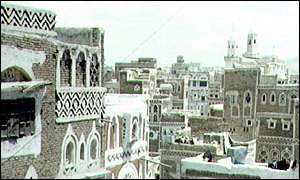
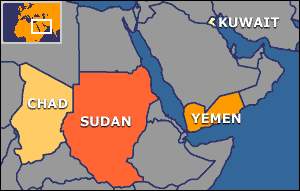
| Jurisdiction / Area of Operations | Sanaa, Yemen |
| Criminological Classification | Serial Killer / Morgue Attendant |
| Forensic Modus Operandi | Strangulation, dismemberment, and chemical dissolution |
| Weapon / Mechanism of Death | Manual strangulation and post-mortem dissection |
| Motive / Behavioral Dynamics | Sadistic impulses and potential organ trafficking involvement |
| Judicial Outcome | Execution by firing squad |
1. Background and Profile
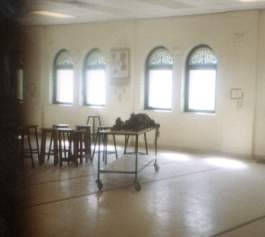
Mohammed Adam Omar Ishaak was a Sudanese national employed at the Sanaa University medical faculty morgue. His position provided him with the necessary access to dispose of human remains, masking his activities for years.
2. Crime Spree
Omar targeted female students, luring them with promises of academic advancement. He would kill them via strangulation, then dismember the bodies, using chemicals to dissolve soft tissue and keeping skeletal remains as souvenirs.
3. Investigation and Arrest
The investigation was triggered by the disappearance of an Iraqi student. Her mother's relentless pursuit of the truth led police to the morgue, where they discovered human remains in the sewage system and buried on the grounds.
4. Legal Proceedings and Outcome
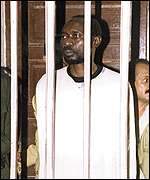
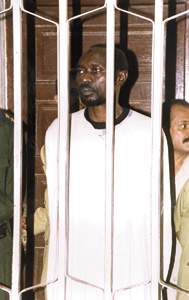
During his trial, Omar initially confessed to 51 murders across the Arab world, later recanting and claiming responsibility for only two. The trial was heavily criticized for potential cover-ups involving high-ranking officials.
5. Psychiatric Assessment and Execution
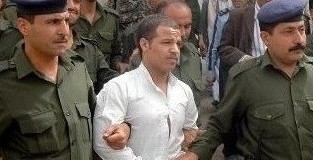
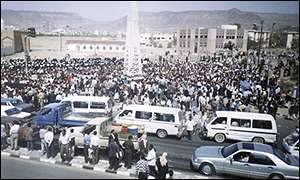
Omar was sentenced to death. On June 22, 2001, he was publicly lashed 80 times for alcohol consumption before being executed by a firing squad in front of a crowd of 30,000 people.