



Forensic & Criminological Matrix
| Parameter | Forensic Detail |
|---|---|
| Forensic Heading / Aliases | None |
| Legal Identity | Peter Odighizuwa |
| Confirmed Victims | 3 |
| Attributed / Indicted Victims | 3 |
| Active Timeline | January 16, 2002 |
| Jurisdiction / Area of Operations | Grundy, Virginia, USA |
| Criminological Classification | Active Shooter (School Shooter) |
| Forensic Modus Operandi | Execution with semi-automatic firearm in closed environment |
| Weapon / Mechanism of Death | .380 ACP semi-automatic handgun |
| Motive / Behavioral Dynamics | Paranoid schizophrenia, academic failure, and immigrant stress |
| Judicial Outcome | Three life sentences plus 28 years without parole |
1. Background and Psychopathy
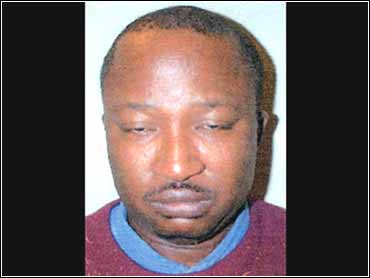
Peter Odighizuwa, a naturalized U.S. citizen of Nigerian descent, was born in 1959. Prior to the 2002 incident, he was a student at the Appalachian School of Law. Forensic evaluations indicated he suffered from untreated paranoid schizophrenia. His life was characterized by significant pressure as a father of four and the primary breadwinner, compounded by academic struggles that led to his withdrawal from the law school on two separate occasions.
2. Crime Spree
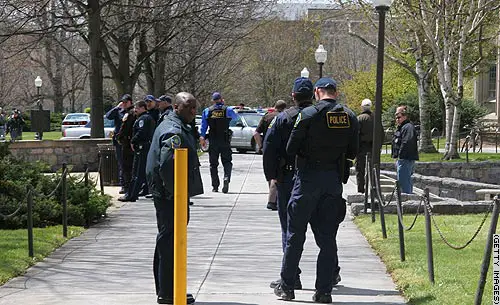
On January 16, 2002, Odighizuwa entered the campus armed with a .380 ACP semi-automatic handgun. He targeted the offices of Dean L. Anthony Sutin and Professor Thomas Blackwell, killing both at point-blank range. He also murdered student Angela Denise Dales. The attack left three dead and three wounded. Forensic evidence confirmed the close-range nature of the shootings.
3. Investigation and Arrest
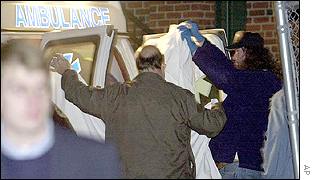
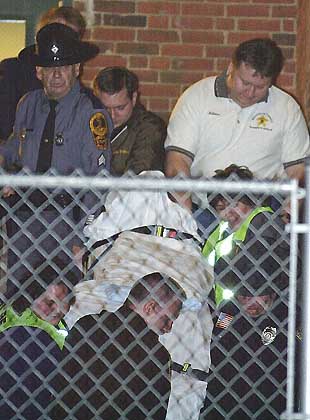
The perpetrator was subdued by fellow students who retrieved their personal firearms from their vehicles. Tracy Bridges and Mikael Gross, both with law enforcement backgrounds, confronted Odighizuwa. Upon being ordered to drop his weapon, which was empty, he complied and was tackled by other students until police arrived.
4. Legal Proceedings and Outcome
Initially deemed incompetent to stand trial due to mental health issues, Odighizuwa underwent three years of psychiatric treatment. In 2005, he was found competent, pleaded guilty to avoid the death penalty, and was sentenced to three consecutive life terms plus 28 years in prison without the possibility of parole.
5. Psychiatric Evaluation and Conclusion
The case became a focal point for debates regarding gun control, the immigrant experience, and mental health support systems. Defense counsel maintained that Odighizuwa's actions were the result of a long-standing, untreated mental illness, which remained the primary focus of his legal defense throughout the proceedings.