Forensic & Criminological Matrix
| Parameter | Forensic Detail |
|---|---|
| Forensic Heading / Aliases | None |
| Legal Identity | Billy Lee Oatney Jr. |
| Confirmed Victims | 1 |
| Attributed / Indicted Victims | 1 |
| Active Timeline | 1996 |
| Jurisdiction / Area of Operations | Washington County, Oregon |
| Criminological Classification | Predatory sexual murderer |
| Forensic Modus Operandi | Kidnapping, rape, sodomy, and mechanical asphyxiation |
| Weapon / Mechanism of Death | Stun gun, duct tape, and plastic bag |
| Motive / Behavioral Dynamics | Sexual predation and coercive control |
| Judicial Outcome | Death sentence (affirmed) |
1. Background and Psychopathy
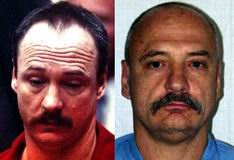
Billy Lee Oatney Jr. (born March 12, 1962) exhibited a predatory behavioral pattern characterized by the calculated planning of sexual assaults. Operating in Washington County, Oregon, Oatney maintained a facade of normalcy while stockpiling a specialized kit for abduction and control, including stun guns, dart guns, and lock-pick sets.
2. Crime Spree
On August 27, 1996, Oatney abducted 34-year-old graphic artist Susi Larsen. According to accomplice Willford N. Johnston III, Oatney lured Larsen to his apartment under the guise of jewelry design work. The victim was subdued with a stun gun, raped, and sodomized. After obtaining her bank card PIN, the perpetrators suffocated her with a plastic bag. Her body was discovered in Champoeg Park on September 9, 1996.
3. Investigation and Arrest
Police suspicion fell on Oatney after Larsen's disappearance. A traffic stop involving Johnston led to the discovery of a duffel bag containing various weapons and restraint tools in Oatney's van. Forensic analysis of Oatney's apartment carpet confirmed the presence of the victim's blood, providing the physical evidence necessary for prosecution.
4. Legal Proceedings and Outcome
Oatney faced eight counts of aggravated murder. His defense attempted to shift blame entirely to Johnston, but the accomplice's testimony and physical evidence led to a conviction on all counts. The jury found that Oatney acted with deliberation, resulting in a death sentence. The Oregon Supreme Court later affirmed the conviction and sentence following an extensive review of trial instructions.