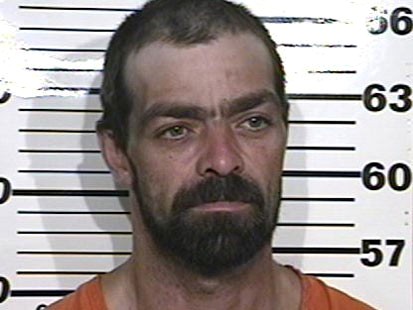
Forensic & Criminological Matrix
| Parameter | Forensic Detail |
|---|---|
| Forensic Heading / Aliases | Donald Russell |
| Legal Identity | Ralph Nuss |
| Confirmed Victims | 2 |
| Attributed / Indicted Victims | 3 |
| Active Timeline | October 1966 |
| Jurisdiction / Area of Operations | Michigan and Ohio, USA |
| Criminological Classification | Serial killer, necrophile |
| Forensic Modus Operandi | Strangulation and post-mortem abuse |
| Weapon / Mechanism of Death | Manual strangulation |
| Motive / Behavioral Dynamics | Paraphilia (necrophilia) and sexual predation |
| Judicial Outcome | Life imprisonment in Michigan |
1. Background and Profile
Ralph Nuss was a psychiatric social worker at the Federal Correctional Institute in Ypsilanti, Michigan. He was highly regarded for his rehabilitation programs aimed at helping inmates reintegrate into society. Unknown to his colleagues, Nuss led a double life as "Donald Russell," a persona he used to infiltrate the local gay community to identify potential victims.
2. Crime Spree
Nuss's criminal activity peaked in October 1966. On October 16, the strangled and violated body of 17-year-old Arland Withrow was discovered in a creek near Ypsilanti. Eight days later, the body of Robert Pugh, a teacher, was recovered from a river in Toledo, Ohio, exhibiting similar signs of post-mortem sexual abuse. Nuss also confessed to the murder of Thomas Brown, an 18-year-old trucker who had recently gone missing.
3. Investigation and Arrest
Detectives tracked the victims' connections to the alias "Don Russell." Witnesses eventually linked the alias to "Ralph," a prison employee in Ypsilanti. Under interrogation, Nuss confessed to the murders of Withrow and Brown, though he denied the killing of Robert Pugh.
4. Legal Proceedings and Outcome
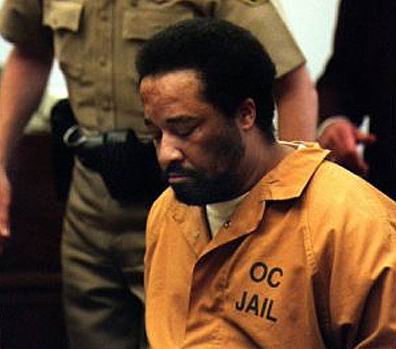
Nuss stood trial for the murders. During the proceedings, he displayed emotional distress, weeping in the courtroom. He was ultimately sentenced to life in prison for his crimes.
5. Psychiatric Assessment and Conclusion
Nuss's case highlights the danger of individuals who use positions of trust to mask severe paraphilic disorders. His dual life as a rehabilitation expert and a necrophilic serial killer remains a significant case study in criminal psychology.