Forensic & Criminological Matrix
| Parameter | Forensic Detail |
|---|---|
| Forensic Heading / Aliases | Skin Hunters |
| Legal Identity | Andrzej Nowocień |
| Confirmed Victims | 5 |
| Attributed / Indicted Victims | 14 |
| Active Timeline | 1998 - 2001 |
| Jurisdiction / Area of Operations | Łódź, Poland |
| Criminological Classification | Serial Killer / Medical Malpractice |
| Forensic Modus Operandi | Administration of muscle relaxants (Pavulon) |
| Weapon / Mechanism of Death | Pancuronium (Pavulon) |
| Motive / Behavioral Dynamics | Financial gain (funeral home bribes) |
| Judicial Outcome | Life imprisonment (2007) |
1. Background and Profile
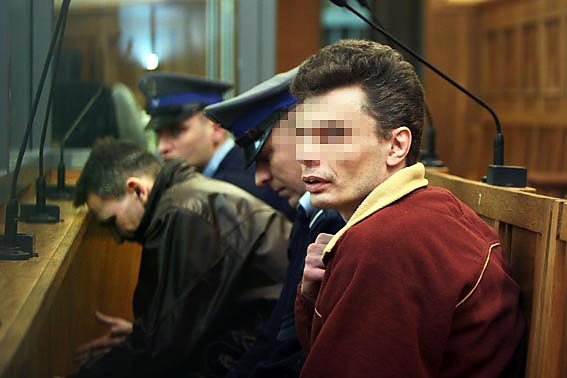
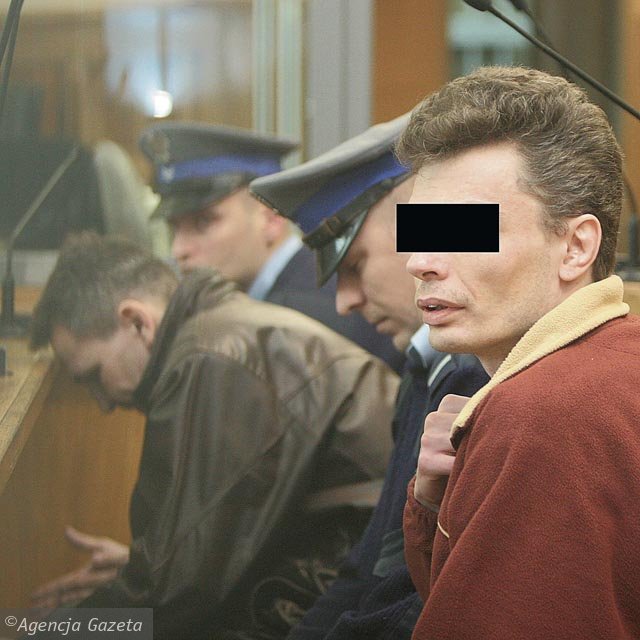
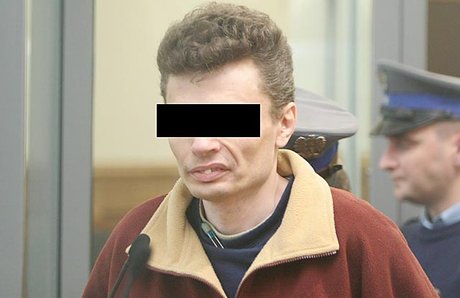
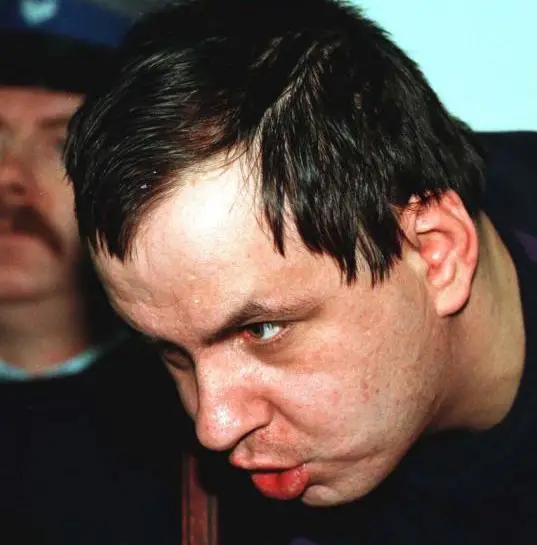
Andrzej Nowocień was a paramedic working in the emergency department in Łódź, Poland. His criminal profile is that of a medical predator who exploited his position of trust to manipulate the health of vulnerable patients, primarily the elderly, for illicit financial gain.
2. Crime Spree
The group, dubbed the "Skin Hunters" (Łowcy skór), operated by deliberately administering pancuronium (brand name Pavulon), a potent muscle relaxant that induces respiratory failure. After causing the patients' deaths, the perpetrators sold the information to local funeral homes, receiving bribes ranging from 12,000 to 70,000 zloty. These costs were then passed on to the grieving families.
3. Investigation and Arrest
The scandal was exposed on January 23, 2002, following an investigative report in the newspaper Gazeta Wyborcza by Tomasz Patora, Marcin Stelmasiak, and Przemysław Witkowski. The report detailed how hospital staff were killing patients to profit from their deaths. Subsequent police investigations uncovered a systemic corruption network within the emergency services.
4. Legal Proceedings and Outcome
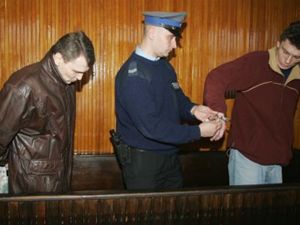
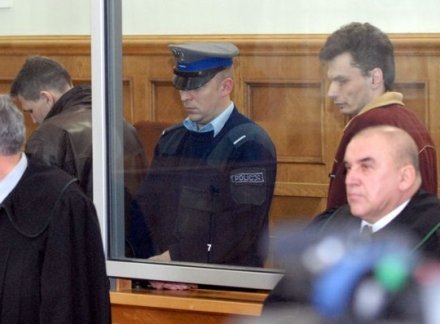
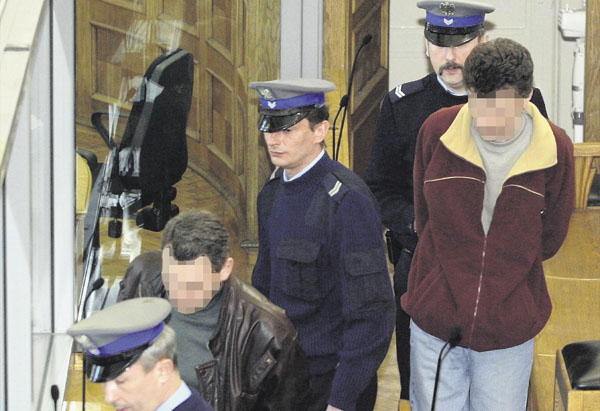
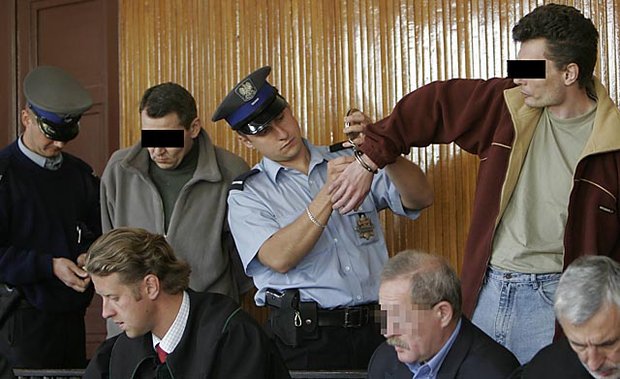
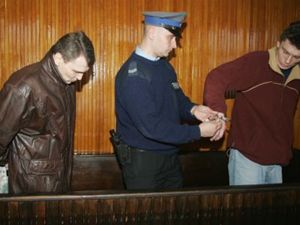
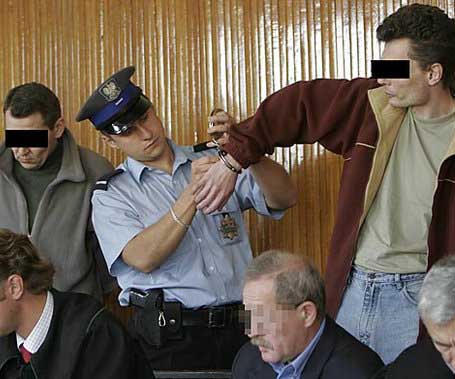
Andrzej Nowocień was arrested in February 2002. On January 20, 2007, the Łódź court sentenced him to life in prison for the murder of five patients. His accomplices, Karol Banaś, Janusz Kuliński, and Paweł W., received prison sentences for their direct involvement or for endangering the lives of other patients. The sentences were upheld by the Supreme Court of Poland in 2009.