




Forensic & Criminological Matrix
| Parameter | Forensic Detail |
|---|---|
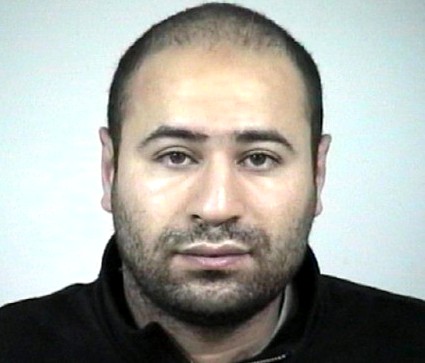
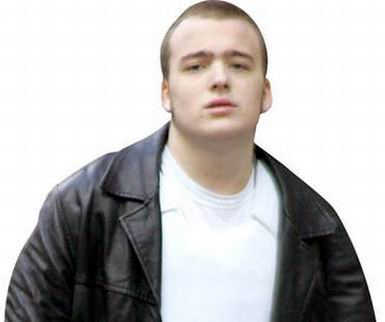
| Full Legal Name | Nordine Amrani. |
| Criminal Moniker | The Butcher of Liège, The Place Saint-Lambert Massacre (La Tuerie de Liège). |
| Criminological Classification | Mass murderer / Spree shooter / Suicidal attacker motivated by penal despair. |
| Date of Attack | Tuesday, December 13, 2011 (commenced at 12:33 PM). |
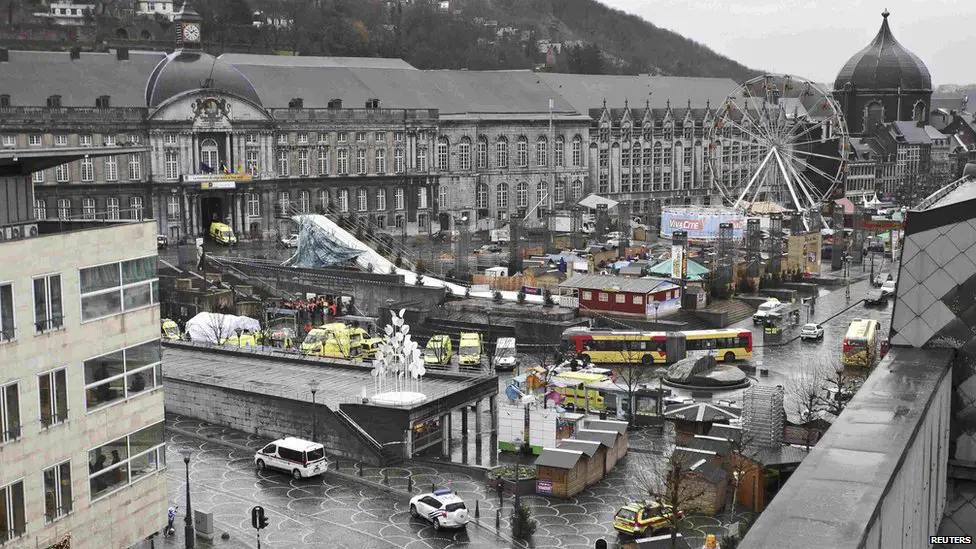
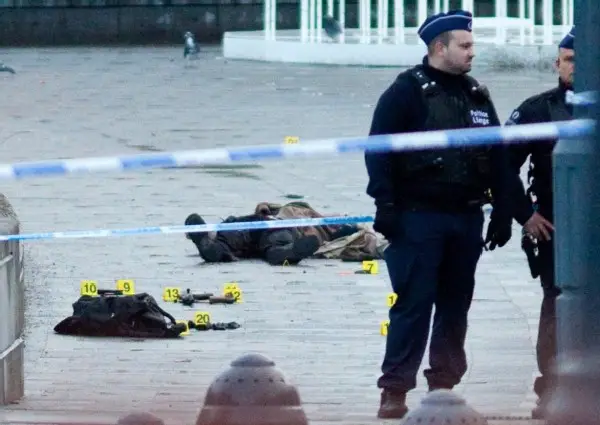
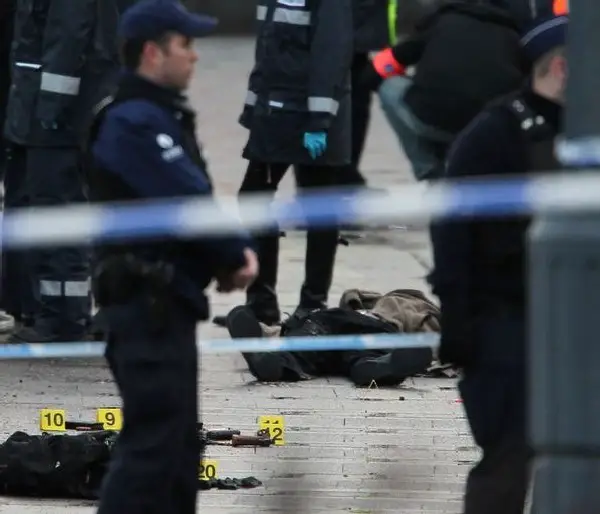
| Crime Scenes | Domestic shed at Rue Bonne-Nouvelle and bus shelters across Place Saint-Lambert, Liège (Belgium). |
| Fatalities | 6 murdered victims (plus the perpetrator's suicide): |
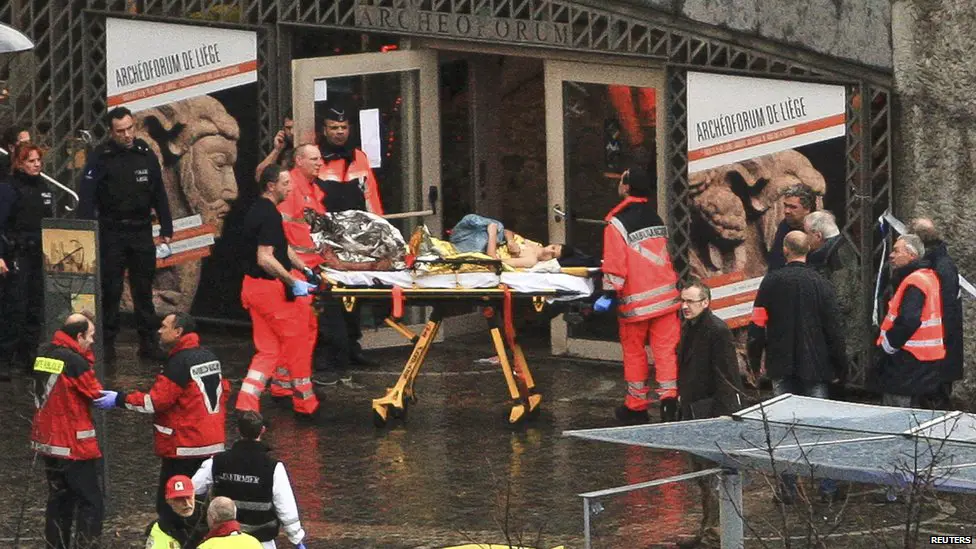
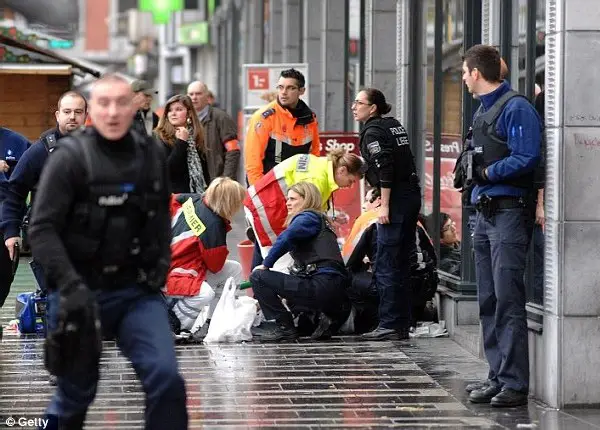
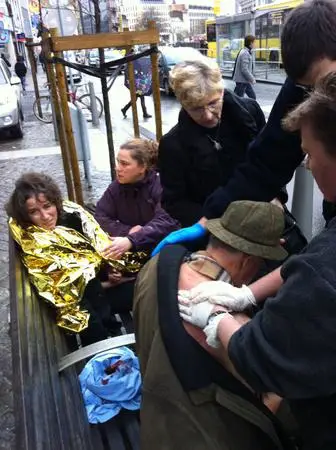
| Injured | 125 individuals hospitalized with shrapnel perforations, direct gunshots, and crush injuries from crowds fleeing in panic. |
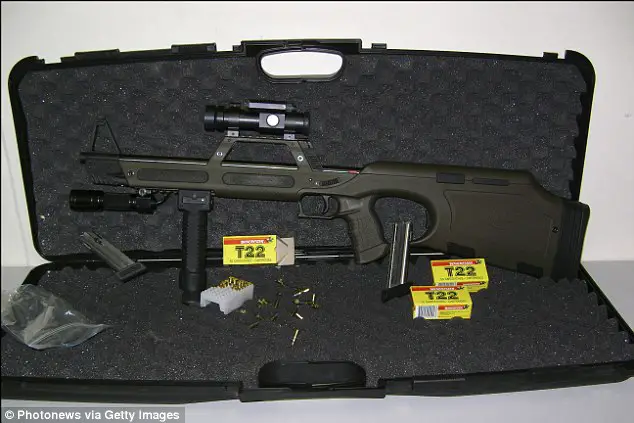
| Arsenal Employed | Military FN FAL 7.62mm selective-fire battle rifle, 4 defensive fragmentation hand grenades, and a Smith & Wesson .38 Special revolver. |
| Judicial Resolution | Criminal case terminated due to perpetrator's suicide via gunshot wound to the temple prior to police intervention. |
Introduction: Black Tuesday in Liège
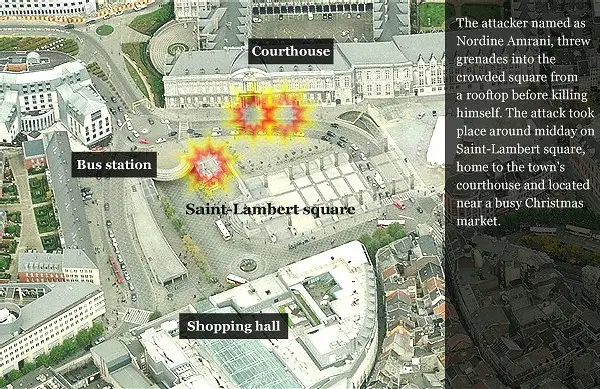
At midday on December 13, 2011, Place Saint-Lambert, the commercial crossroads and municipal epicenter of Liège, Belgium, bustled with midday foot traffic. Hundreds of secondary school students congregated at the bus hub while holiday shoppers frequented the open-air Christmas market.
Without warning, military fragmentation grenades detonated in rapid sequence, followed by continuous rifle fire. An armed assailant positioned atop an elevated transit parapet rained shrapnel and high-caliber rounds into crowds of defenseless bystanders. The perpetrator behind this rampage was not an international terrorist cell, but Nordine Amrani: a career criminal with extensive felony convictions who chose mass violence over facing an imminent return to prison.
Criminal Trajectory and Motive
Born in Ixelles, Brussels, in November 1972, Amrani spent his childhood in foster institutions following the early deaths of his parents. Over two decades, he accumulated a formidable criminal rap sheet encompassing theft, receiving stolen property, handling illegal firearms, and sexual offenses.
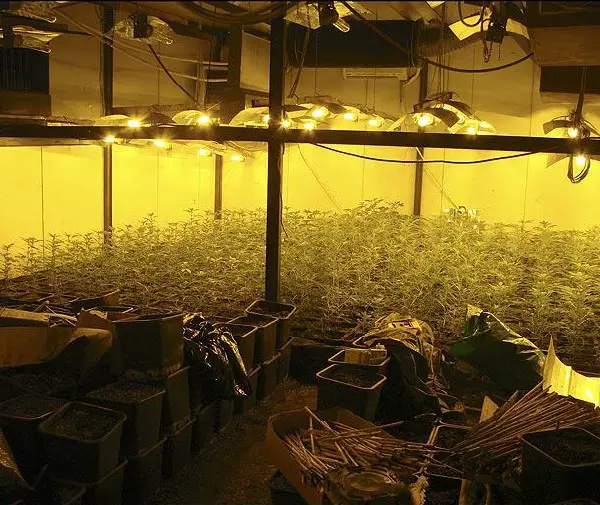
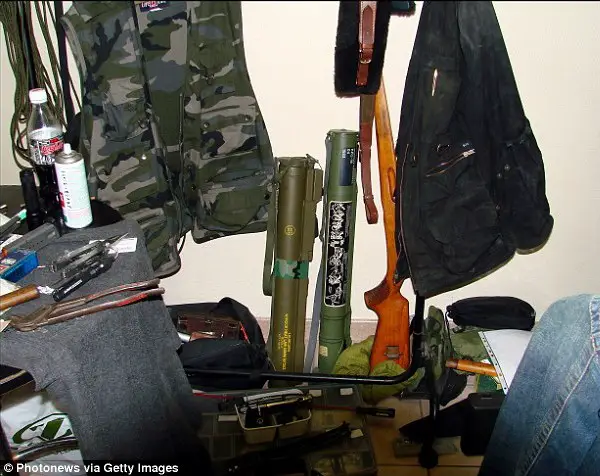
Amrani was a skilled illicit gunsmith capable of modifying military weapons. In 2008, federal police searched his warehouse, seizing an arsenal comprising dozens of machine guns, rocket launchers, thousands of rounds of ammunition, and a subterranean 2,800-plant cannabis farm. Sentenced to 58 months' imprisonment, he received early parole in October 2010.
On December 13, 2011, Amrani was under formal subpoena to report at 1:00 PM to the Liège central police station for questioning regarding a fresh sexual assault complaint. Aware that this interview would result in immediate revocation of his parole and long-term incarceration, Amrani elected to wage war against civil society.
The Domestic Precursor and The Massacre
Before departing his residence on Rue Bonne-Nouvelle:
- Amrani lured Antonietta Racano (45), his neighbor's domestic cleaner, into his workshop under the pretext of offering cleaning work. He bludgeoned and shot her to death, concealing her remains beneath blankets.
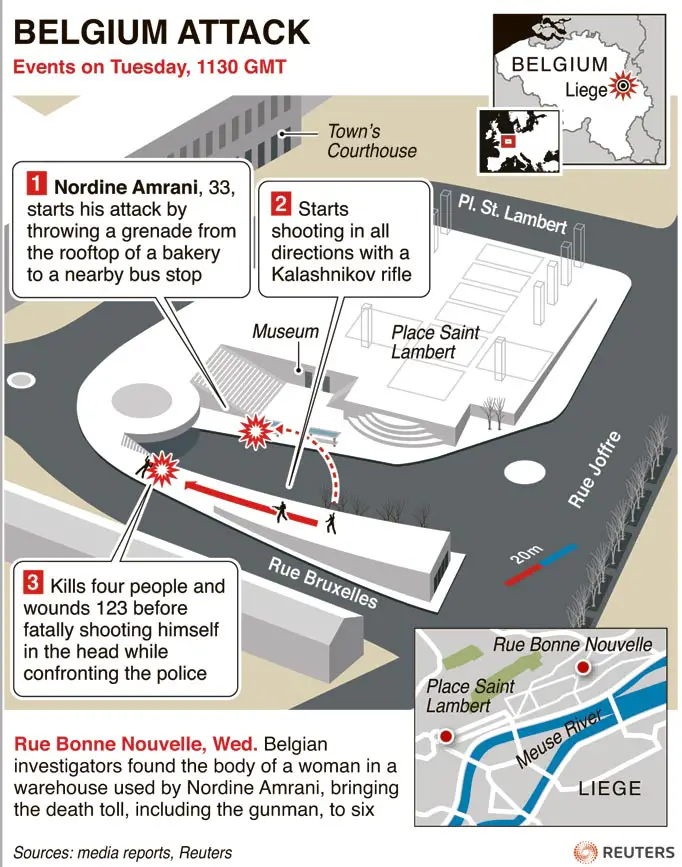
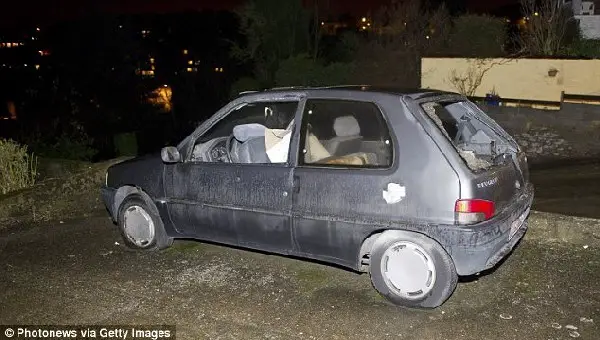
- Packing a trekking backpack with four military fragmentation grenades, hundreds of rounds of ammunition, an FN FAL assault rifle, and a .38 Special revolver, he drove to central Liège.
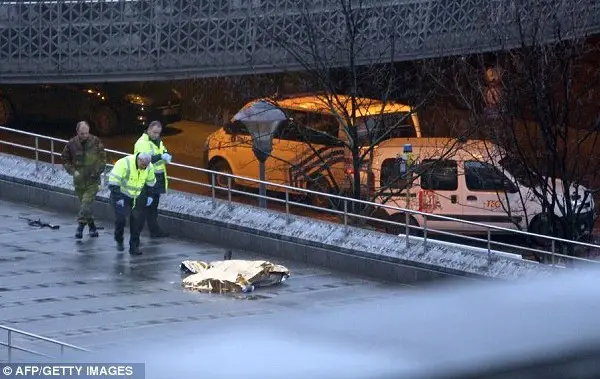
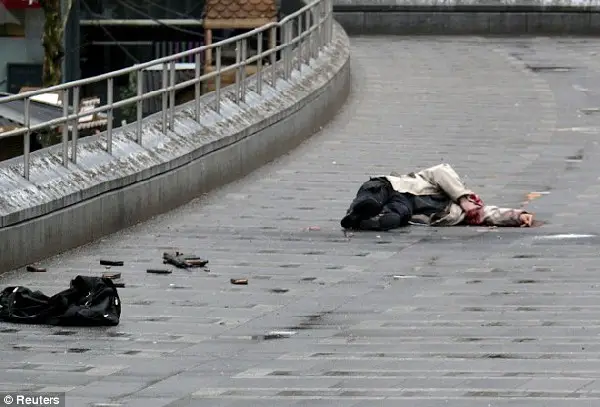
- Ascending onto the roof of an elevated bakery pavilion overlooking the bus platforms at Place Saint-Lambert, Amrani deployed his weaponry.
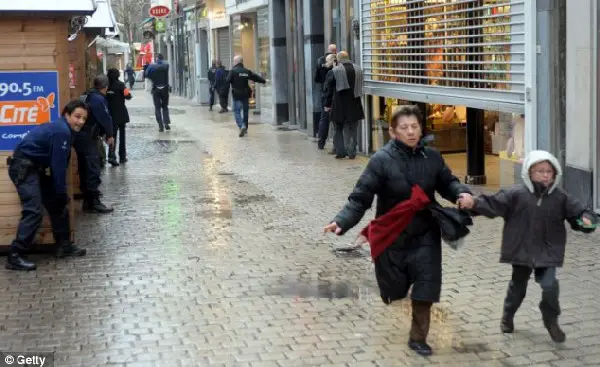
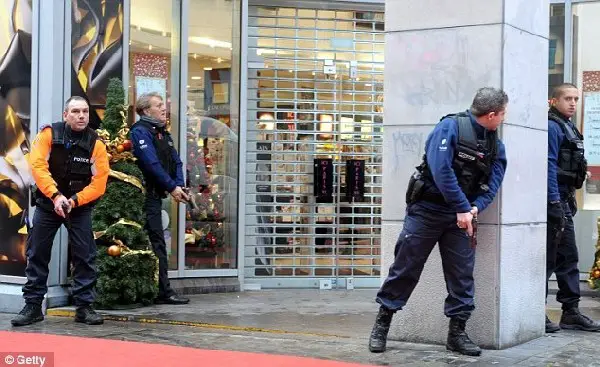
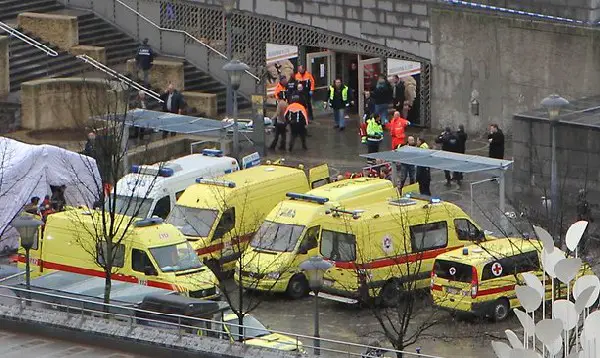
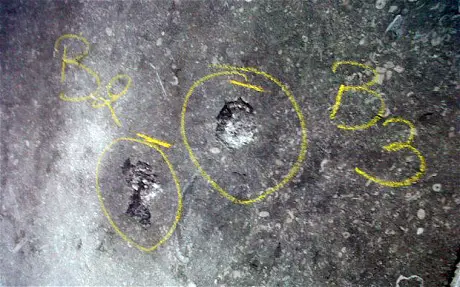
At 12:33 PM, he pulled the pins on four grenades and hurled them into bus shelters packed with teenagers awaiting transit home. The violent concussions generated massive shrapnel fields, killing several bystanders instantly and injuring scores. Amrani then shouldered his FN FAL rifle, firing bursts directly into terrified pedestrians.
Suicide and Investigation
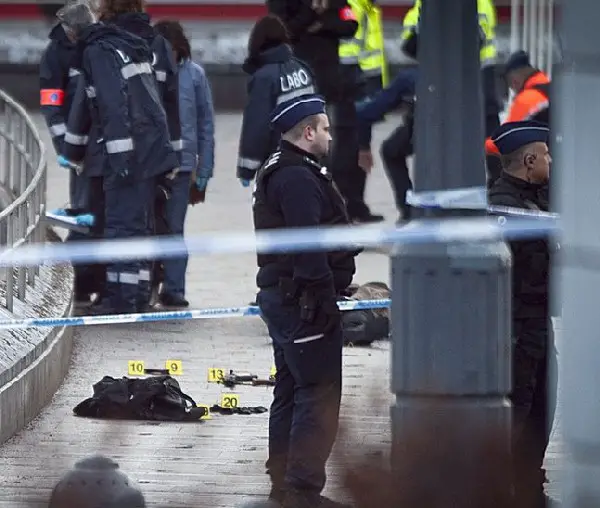
As emergency sirens echoed and first-responding police officers converged on the square, Amrani drew his .38 Special revolver, placed the muzzle against his temple, and fired a fatal shot, collapsing dead onto the rooftop.
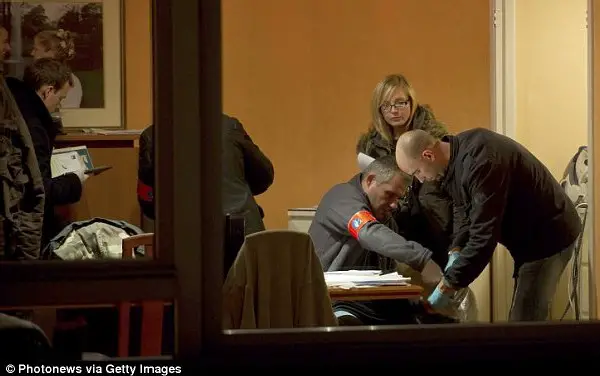
Belgian federal investigators confirmed that Amrani had acted entirely alone, driven by catastrophic nihilism and anti-institutional grievance rather than organized political ideology. The atrocity resulted in 6 innocent deaths and 125 casualties, prompting sweeping overhauls in Belgian firearm control and parole review mechanisms.