Forensic & Criminological Matrix
| Parameter | Forensic Detail |
|---|---|
| Forensic Heading / Aliases | N/A |
| Legal Identity | Omer Ninham |
| Confirmed Victims | 1 |
| Attributed / Indicted Victims | 1 |
| Active Timeline | September 24, 1998 |
| Jurisdiction / Area of Operations | Green Bay, Wisconsin, USA |
| Criminological Classification | Juvenile Homicide / Group Aggressor |
| Forensic Modus Operandi | Bullying, physical assault, and throwing from height |
| Weapon / Mechanism of Death | Physical force / Fall from a 5-story parking ramp |
| Motive / Behavioral Dynamics | Gratuitous violence, bullying, antisocial behavior |
| Judicial Outcome | Life imprisonment without parole |
1. Background and Psychopathy
Born on November 18, 1983, Omer Ninham grew up in a highly abusive and neglectful environment. By age 10, he was regularly consuming alcohol and had a history of weekly cocaine use. His developmental years were marked by severe behavioral deficits and a lack of basic care, which contributed to his early involvement in criminal activity.
2. Crime Spree
On September 24, 1998, Ninham and four other juveniles targeted 13-year-old Zong Vang. After knocking him off his bicycle and punching him, the group chased Vang to the top of a five-story parking garage. Ninham and Richard Crapeau pinned Vang against a wall, held him by his wrists and ankles, and threw him over the edge. Vang died from blunt force trauma to the head and trunk.
3. Investigation and Arrest
Police identified the suspects through statements provided by members of the group. During the pre-trial phase, Ninham exhibited threatening behavior toward judicial officials and witnesses, further complicating his legal standing.
4. Legal Proceedings and Outcome
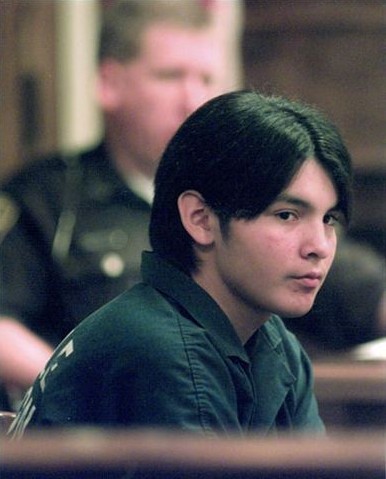
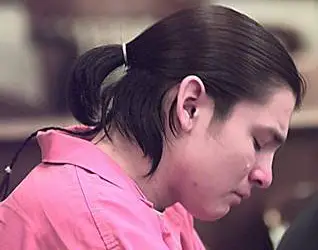
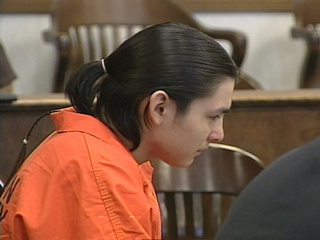
Ninham was tried as an adult. In 2000, he was convicted of first-degree intentional homicide. Judge John D. McKay sentenced him to life in prison without the possibility of parole. Subsequent appeals, including those reaching the Wisconsin Supreme Court in 2011, argued that his age at the time of the crime should mitigate his sentence; however, the court upheld the life-without-parole term, citing the horrific nature of the crime.