




Forensic & Criminological Matrix
| Parameter | Forensic Detail |
|---|---|
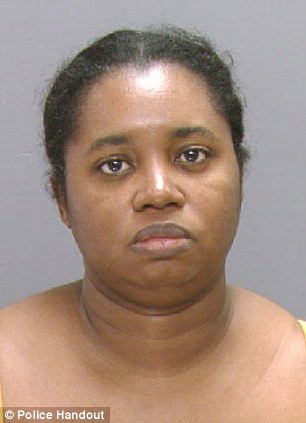
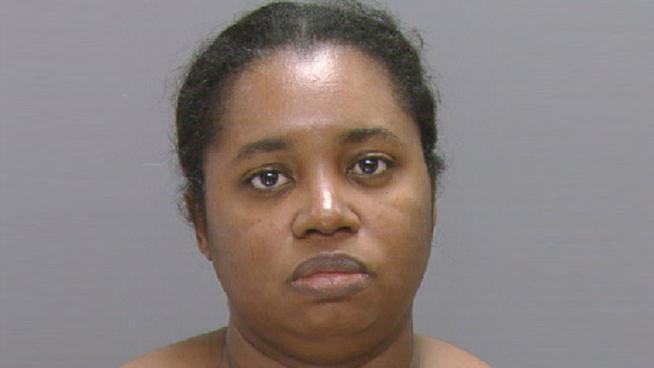
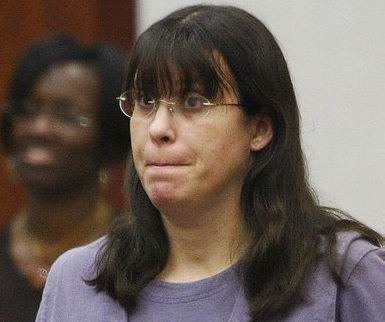
| Forensic Heading / Aliases | Stacey Newkirk-Smalls / Stacey Newkirk |
| Legal Identity | Stacey Newkirk-Smalls |
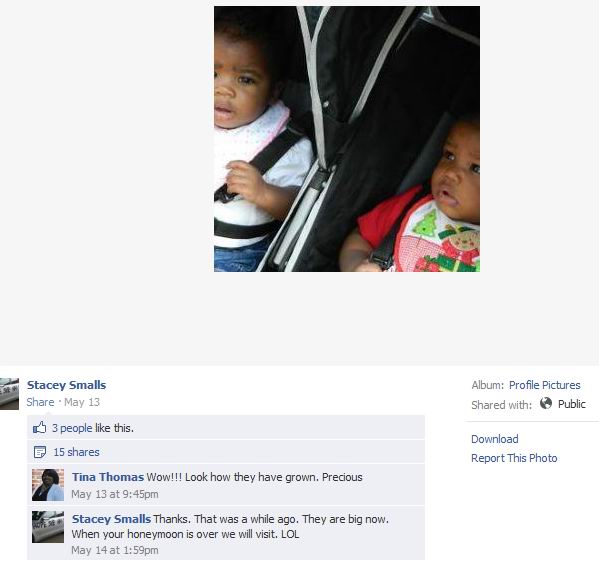
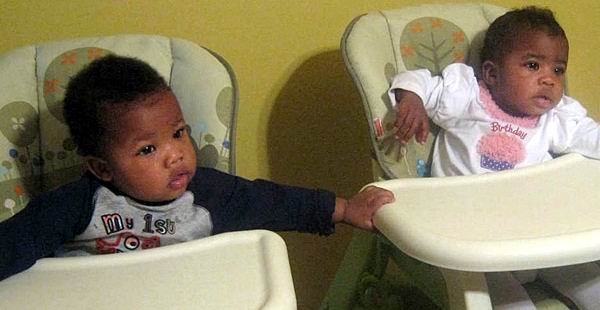
| Confirmed Victims | 2 (Adam and Eve, 18-month-old twins) |
| Active Timeline | May 24, 2012 |
| Jurisdiction / Area of Operations | Tacony, Philadelphia, Pennsylvania, USA |
| Criminological Classification | Filicidal offender / Spousal revenge |
| Forensic Modus Operandi | Sedation of infants via sleeping pills followed by drowning and suffocation, accompanied by explanatory suicide-note letters left at the scene. |
| Weapon / Mechanism of Death | Pharmaceuticals, water immersion, manual suffocation |
| Motive / Behavioral Dynamics | Acute psychological collapse and retaliation driven by spousal infidelity with an adult stepfamily member |
| Judicial Outcome | Convicted of two counts of third-degree murder and sentenced to life imprisonment without parole (January 2014) |
1. Background and Profile
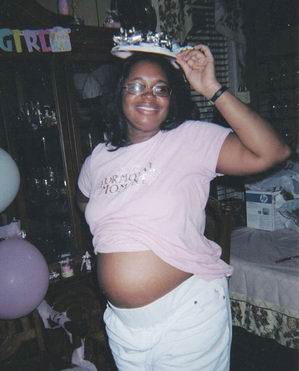
Stacey Newkirk-Smalls was a licensed practical nurse (LPN) and former correctional officer residing in the Tacony neighborhood of Philadelphia. Widely regarded by friends and family as a dedicated, highly attentive mother who heavily invested in her 18-month-old twins' developmental enrichment, her outward stability collapsed in May 2012. The discovery that her husband, Ron Smalls, was engaged in an extramarital affair with her adult daughter from a previous relationship triggered an acute emotional crisis and severe psychological decompensation.
2. Crime Spree and Modus Operandi
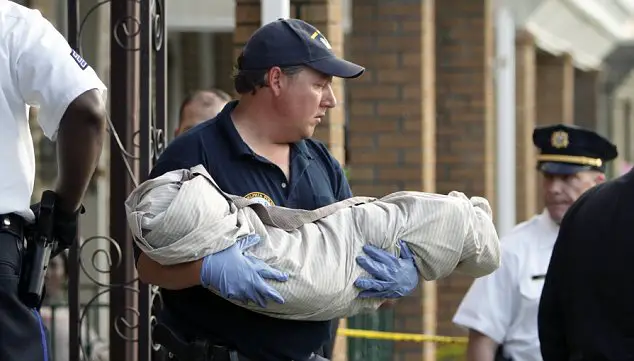
On May 24, 2012, inside her Ditman Street residence in Philadelphia, Newkirk-Smalls executed her 18-month-old twins, Adam and Eve. According to forensic findings and police reports, she administered sleeping pills to sedate both children before drowning one twin and suffocating the other. Authorities also investigated an alleged poisoning attempt against her 4-year-old daughter, Stacey, who ultimately tested negative for toxins and survived unharmed. At the crime scene, investigators recovered multiple handwritten notes authored by Newkirk-Smalls, including one addressed to her husband expressing an intent to inflict maximal emotional pain.
3. Investigation and Arrest
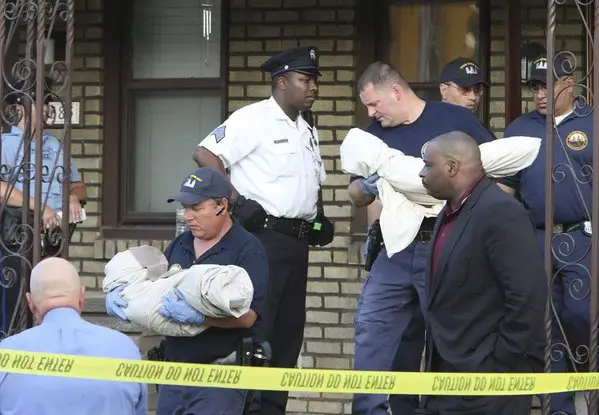
Law enforcement intervention was initiated on the afternoon of May 24, 2012, when Ron Smalls—then a city correctional officer—returned home and discovered his infant children dead, prompting an immediate 911 call. The Philadelphia Police Department Homicide Unit responded to the scene, where they found Newkirk-Smalls suffering from self-inflicted wrist lacerations in an apparent attempted suicide-murder scenario. She was taken into custody after verbally confessing to detectives and leaving incriminating notes near the victims' bodies.
4. Legal Proceedings and Outcome
Prosecuted within the Philadelphia Court of Common Pleas before Judge Jeffrey Minehart, Newkirk-Smalls initially faced potential capital murder charges. During a bench trial conducted in January 2014, defense attorneys Fred Goodman and David Stevenson elected not to contest the physical evidence in exchange for third-degree murder convictions.
Newkirk-Smalls was found guilty of two counts of third-degree murder while being acquitted of the attempted murder charge regarding her surviving daughter. Judge Minehart sentenced her to concurrent terms of 20 to 40 years for one homicide and life imprisonment without parole for the second, as mandated by state law for multiple murder convictions. She remains incarcerated within the Pennsylvania correctional system.
5. Psychiatric Evaluation and Conclusion
From a criminological standpoint, Newkirk-Smalls fits the classic profile of a filicidal offender driven by spousal revenge, a behavioral category defined by forensic psychiatrist Dr. Phillip Resnick. Despite assertions from relatives denying prior psychiatric illness, the severe emotional trauma of the betrayal shattered her behavioral controls, converting a devoted caregiver into an offender executing lethal proxy retaliation against her spouse.