Forensic & Criminological Matrix
| Parameter | Forensic Detail |
|---|---|
| Forensic Heading / Aliases | None |
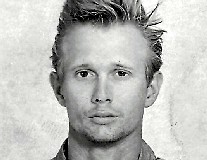
| Legal Identity | Johann Nelböck |
| Confirmed Victims | 1 |
| Attributed / Indicted Victims | 1 |
| Active Timeline | 1936 |
| Jurisdiction / Area of Operations | Vienna, Austria |
| Criminological Classification | Ideologically motivated murderer / Psychopathological disorder |
| Forensic Modus Operandi | Stalking and execution by firearm |
| Weapon / Mechanism of Death | Firearm (pistol) |
| Motive / Behavioral Dynamics | Ideological conflict and alleged moral interference |
| Judicial Outcome | Sentenced to 10 years; paroled after 2 years |
1. Background and Profile
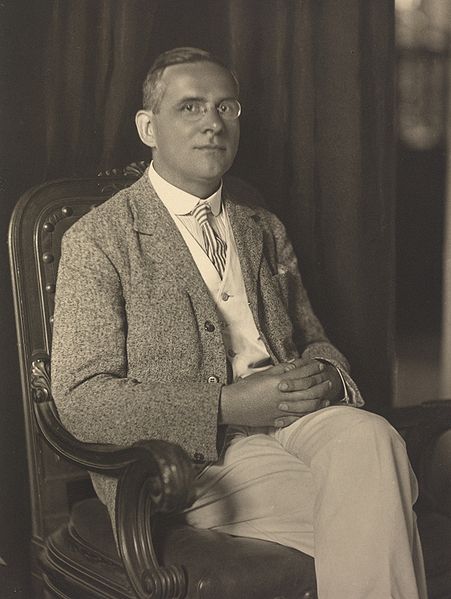
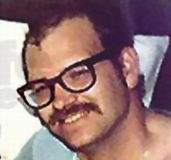
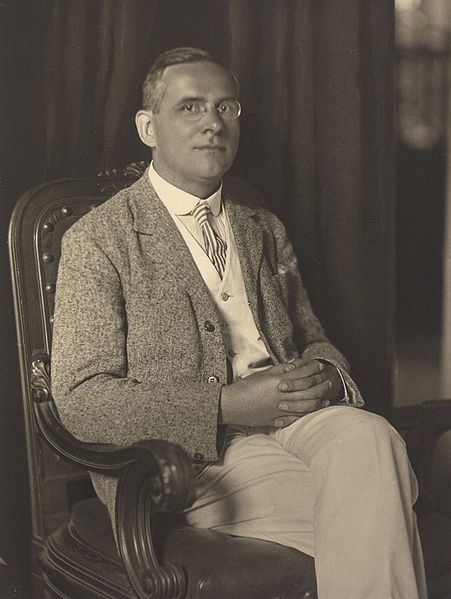
Johann Nelböck (1903-1954) was an Austrian student associated with the University of Vienna. His psychological profile was marked by instability, leading to two prior psychiatric commitments due to threats made against Moritz Schlick, the founder of the Vienna Circle. Nelböck harbored a pathological obsession with Schlick, blaming him for his personal failures and perceived moral decline.
2. Crime Spree
On June 22, 1936, Nelböck carried out his plan on the central staircase of the University of Vienna. After stalking his former professor, he shot him in the chest, resulting in immediate death. The murder was politically exploited by Austrian Nazis, who attempted to justify the act by claiming Schlick's philosophy was detrimental to national morality.
3. Investigation and Arrest
Arrest occurred on the same day as the crime at the scene. Forensic investigation confirmed premeditation, supported by the subject's history of threats and previous psychiatric institutionalizations.
4. Legal Proceedings and Outcome
Nelböck was tried in 1936. His defense argued that Schlick's philosophical arguments had undermined his 'native moral restraints.' Despite the severity of the crime, he was sentenced to ten years in prison, serving only two before being paroled.
5. Psychiatric Assessment and Aftermath
Following his release, Nelböck joined the Austrian Nazi Party after the 1938 Anschluss. His later life was defined by his alignment with the National Socialist regime. He died in 1954, remembered for a crime that became a symbol of intellectual persecution in interwar Austria.