





Forensic & Criminological Matrix
| Parameter | Forensic Detail |
|---|---|
| Forensic Heading / Aliases | N/A |
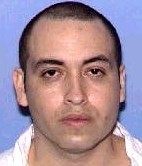
| Legal Identity | Juan Raul Navarro-Ramirez |
| Confirmed Victims | 6 |
| Attributed / Indicted Victims | 6 |
| Active Timeline | January 5, 2003 |
| Jurisdiction / Area of Operations | Edinburg, Hidalgo County, Texas |
| Criminological Classification | Mass murderer / Gang member |
| Forensic Modus Operandi | Armed home invasion with semiautomatic rifles |
| Weapon / Mechanism of Death | Semiautomatic rifles |
| Motive / Behavioral Dynamics | Drug robbery and gang conflict (Tri-City Bombers) |
| Judicial Outcome | Sentenced to death (December 23, 2004) |
1. Background and Profile
Juan Raul Navarro-Ramirez (born March 11, 1984) was a member of the Tri-City Bombers gang in South Texas. With no prior prison record, his criminal trajectory culminated in the 2003 Edinburg massacre. He was prosecuted under the Texas 'law of parties', which holds conspirators liable for the outcome of a criminal act, regardless of whether they personally pulled the trigger.
2. Crime Spree
On January 5, 2003, Navarro-Ramirez and ten co-defendants raided a residence on E. Monte Cristo Road to steal a large quantity of marijuana. The operation resulted in the execution of six rival gang members: Jimmy Edward Almendariz, Jerry Eugene Hidalgo, Ray Hidalgo, Juan Delgado Jr., Juan Delgado III, and Ruben Rolando Castillo. The assailants left one witness, Rosie Gutierrez, alive but bound.
3. Investigation and Arrest
The investigation relied on forensic reconstruction and witness testimony. Juan Delgado Villa, who escaped the scene, provided critical context despite his initial refusal to testify due to safety concerns. Law enforcement eventually tracked Navarro-Ramirez to his aunt's home in Hargill, Texas, on January 29, 2003, following statements provided by co-defendants.
4. Legal Proceedings and Outcome
Navarro-Ramirez's trial was marked by high-security measures and witness intimidation. Prosecutors successfully argued that his participation in the raid made him equally culpable for the deaths. On December 23, 2004, he was sentenced to death. The case remains a significant example of the legal application of the 'law of parties' in capital murder cases involving organized crime groups.