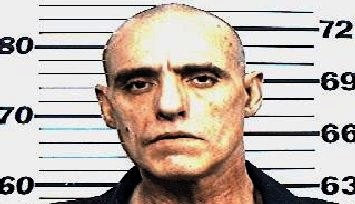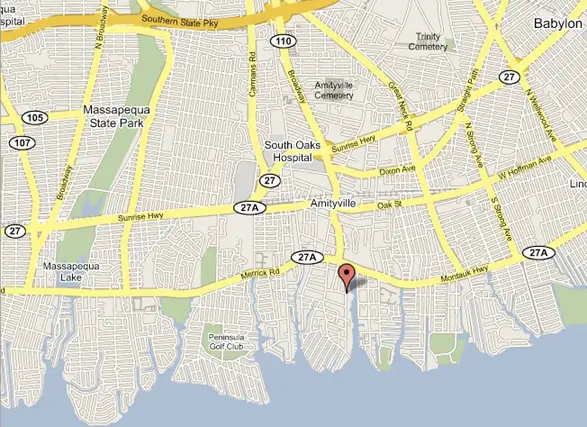
Forensic & Criminological Matrix
| Parameter | Forensic Detail |
|---|---|
| Forensic Heading / Aliases | Killer Karl |
| Legal Identity | Karl Lee Myers |
| Confirmed Victims | 2 |
| Attributed / Indicted Victims | 5 |
| Active Timeline | 1976-1996 |
| Jurisdiction / Area of Operations | Kansas and Oklahoma, USA |
| Criminological Classification | Serial Killer / Rapist |
| Forensic Modus Operandi | Abduction, sexual assault, and homicide |
| Weapon / Mechanism of Death | Strangulation, firearm |
| Motive / Behavioral Dynamics | Sexual predation and arrest avoidance |
| Judicial Outcome | Sentenced to death (Oklahoma, 2000) |
1. Background and Profile
Karl Lee Myers (1948–2012) was an American murderer and rapist. Forensic evaluations during his trial revealed significant neurological deficits, including organic brain damage and language processing disorders, likely stemming from a severe childhood head injury. His upbringing was characterized by extreme physical and emotional abuse.
2. Crime Spree
Myers targeted women, often luring them into his vehicle under the guise of providing transportation. His crimes were characterized by sexual violence followed by murder to eliminate witnesses. His confirmed victims include Shawn Williams (1993) and Cindy Marzano (1996).
3. Investigation and Forensic Hunt
Law enforcement utilized DNA evidence to link Myers to the crimes. Testimony from jailhouse informants and witnesses who had encountered Myers in his flower shop provided critical evidence regarding his intent and his boastful attitude toward disposing of bodies.
4. Legal Proceedings and Outcome
Myers was tried in Rogers County, Oklahoma. In 2000, he was convicted of first-degree murder and sentenced to death. His appeals process was lengthy, focusing on claims of ineffective assistance of counsel and intellectual disability, the latter of which was rejected by a jury in 2005.
5. Psychiatric Evaluation and Final Disposition
Myers remained on death row for over a decade. He died of natural causes in prison in 2012, avoiding the execution process.