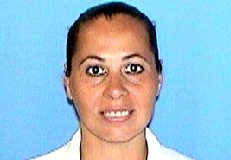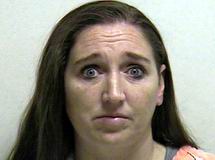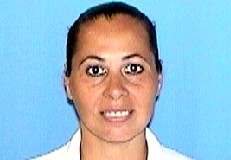




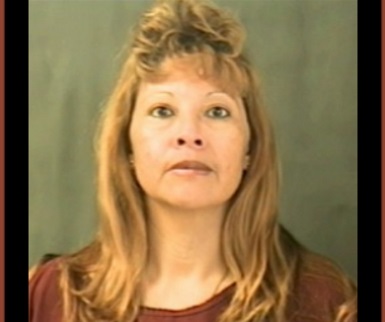
Forensic & Criminological Matrix
| Parameter | Forensic Detail |
|---|---|
| Forensic Heading / Aliases | Marilyn Mulero |
| Legal Identity | Marilyn Mulero |
| Confirmed Victims | 2 |
| Active Timeline | 1992 |
| Jurisdiction / Area of Operations | Chicago, Illinois, United States |
| Criminological Classification | Multiple Homicide / Vengeance-motivated offender |
| Forensic Modus Operandi | Use of firearms to execute victims in secluded urban settings following abduction or confrontation |
| Weapon / Mechanism of Death | Firearm (Handgun) |
| Motive / Behavioral Dynamics | Personal vengeance and interpersonal conflict |
| Judicial Outcome | Sentenced to life imprisonment without parole |
1. Background and Profile
Marilyn Mulero entered the criminological records of Illinois in the early 1990s following a series of violent crimes committed in the Chicago metropolitan area. Her profile deviates from classic serial killer archetypes, fitting instead within instrumental and reactive homicide driven by severe interpersonal and emotional conflict.
2. Crime Spree
In 1992, Mulero was implicated in the murders of two men in distinct incidents tied to her immediate social circle. Her modus operandi involved luring or confronting victims, employing armed coercion to subdue them before executing them with a firearm, exhibiting cold calculation and post-offense concealment.
3. Investigation and Forensic Pursuit
Homicide detectives from the Chicago Police Department quickly linked ballistic evidence and witness testimonies to the suspect. Forensic recovery at the crime scenes and subsequent interrogation dismantled Mulero's alibi, establishing her as the primary perpetrator.
4. Legal Proceedings and Outcome
Following her arrest, Mulero faced formal charges of first-degree murder. During the trial, the prosecution presented robust evidence demonstrating premeditation. The jury returned a guilty verdict, and the judge handed down a maximum sentence reflecting the severity of the offenses.
5. Psychiatric Evaluation and Final Disposition
Forensic psychiatric evaluations assessed her mental state at the time of the offenses, concluding she suffered from no incapacitating mental illness, but rather exhibited behavioral traits prone to extreme violence under relational stress. She was remanded to the Illinois Department of Corrections to serve a life sentence.