Forensic & Criminological Matrix
| Parameter | Forensic Detail |
|---|---|
| Forensic Heading / Aliases | The Loskop Killer |
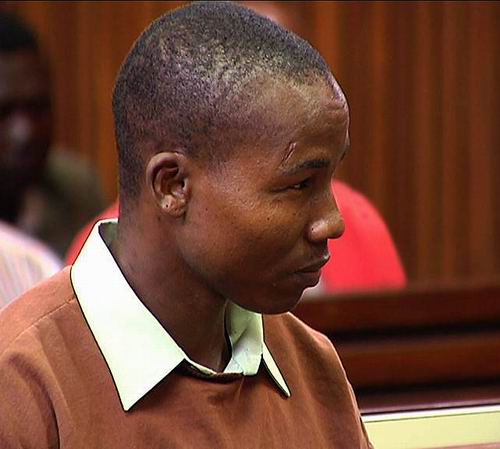
| Legal Identity | Mtimane Msundwana |
| Confirmed Victims | 8 |
| Attributed / Indicted Victims | 12 |
| Active Timeline | 1929 - 1936 |
| Jurisdiction / Area of Operations | Estcourt District, Natal, South Africa |
| Criminological Classification | Serial Killer (Merchant Predator) |
| Forensic Modus Operandi | Execution by shotgun in isolated commercial premises |
| Weapon / Mechanism of Death | 12 and 20 gauge shotguns |
| Motive / Behavioral Dynamics | Financial gain (robbery) |
| Judicial Outcome | Death sentence by the Native High Court |
1. Background and Profile
Mtimane Msundwana, known as the 'Loskop Killer', was a South African serial killer who operated in the Natal region. His deep knowledge of the local terrain allowed him to commit crimes and disappear into the mountainous landscape, evading police for years.
2. Crime Spree
Starting in 1929, Msundwana targeted Indian storekeepers in isolated areas. His crimes were characterized by cold-blooded execution using shotguns. He would often wait for the late afternoon to strike, ensuring minimal witnesses. His spree included the 1934 'Heartsease' store massacre, where he killed three individuals.
3. Investigation and Arrest
The investigation was a landmark case for the Natal C.I.D., led by Detective Head Constable H.H. Burnham. Despite the lack of forensic evidence, the recovery of a stolen shotgun and the testimony of a survivor, Japie Hlongwana, led to Msundwana's arrest in August 1936.
4. Legal Proceedings and Outcome
Following his arrest, Msundwana confessed to multiple murders and attempted murders. He was tried at the Native High Court in Estcourt, convicted on six counts of murder, and sentenced to death. The sentence was carried out in 1936, ending his reign of terror.