Forensic & Criminological Matrix
| Parameter | Forensic Detail |
|---|---|
| Forensic Heading / Aliases | null |
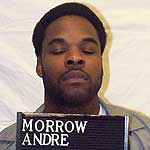
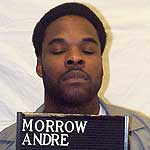
| Legal Identity | Andre D. Morrow |
| Confirmed Victims | 2 |
| Attributed / Indicted Victims | 2 |
| Active Timeline | April 1994 |
| Jurisdiction / Area of Operations | St. Louis, Missouri |
| Criminological Classification | Spree Killer |
| Forensic Modus Operandi | Armed robbery, carjacking, and summary execution |
| Weapon / Mechanism of Death | .38 caliber pistol |
| Motive / Behavioral Dynamics | Cocaine addiction and criminal capital acquisition |
| Judicial Outcome | Life imprisonment without parole |
1. Background and Psychopathy
Andre D. Morrow, 24, had a significant criminal history with fourteen prior convictions. His behavior in April 1994 was marked by a severe cocaine binge, which his defense claimed rendered him an 'automaton' incapable of deliberation, a claim rejected by the courts.
2. Crime Spree
Over a three-day period in April 1994, Morrow and his accomplice Mario Page engaged in a series of car thefts and armed robberies. The spree resulted in the murders of Roamel Abercrombie and John Koprowski. Morrow's actions were characterized by extreme violence and a lack of remorse.
3. Investigation and Arrest
Following the murder of John Koprowski, Morrow's associate Richard Gooch, fearing for his life, contacted the police. Morrow subsequently confessed to all crimes, including the murders and multiple robberies.
4. Legal Proceedings and Outcome
Convicted of first-degree murder and multiple other felonies, Morrow was originally sentenced to death. On October 28, 2003, the Missouri Supreme Court commuted his sentence to life without the possibility of parole.
5. Psychiatric Evaluation and Final Disposition
The court found that Morrow was capable of deliberation, noting his ability to evaluate opportunities and avoid detection during his crime spree, thereby dismissing the defense's argument regarding his mental state.