



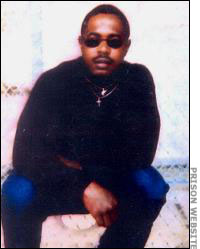
Forensic & Criminological Matrix
| Parameter | Forensic Detail |
|---|---|
| Forensic Heading / Aliases | Devin Moore |
| Legal Identity | Devin Darnell Thompson |
| Confirmed Victims | 3 |
| Attributed / Indicted Victims | 3 |
| Active Timeline | June 7, 2003 |
| Jurisdiction / Area of Operations | Fayette, Alabama, USA |
| Criminological Classification | Multiple Homicide / Occasional Offender |
| Forensic Modus Operandi | Use of service weapon seized from law enforcement during custody |
| Weapon / Mechanism of Death | .40 caliber Glock pistol |
| Motive / Behavioral Dynamics | Evasion of arrest and potential desensitization via virtual media |
| Judicial Outcome | Sentenced to death by lethal injection |
1. Background and Profile
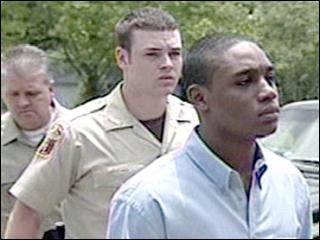
Devin Darnell Thompson, widely known as Devin Moore, was born on May 15, 1985. Raised in a reportedly unstable household with a history of physical and emotional abuse, Moore had no prior criminal record. At the time of the incident, he was a recent high school graduate scheduled to enlist in the United States Air Force.
2. Criminal Career and Modus Operandi
On June 7, 2003, Moore was detained by Fayette police on suspicion of grand theft auto. While being processed at the police station, Moore lunged at Officer Arnold Strickland, seizing his .40 caliber Glock service pistol. He proceeded to shoot Officer Strickland, Officer James Crump, and 911 dispatcher Ace Mealer. All victims sustained fatal head wounds, indicating a calculated execution. Moore then fled the station in a stolen police cruiser.
3. Investigation and Arrest
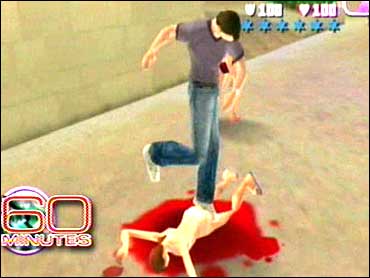
Moore was apprehended several hours later in Mississippi, near the Alabama state line. Following his arrest, he reportedly stated, "Life is like a video game. Everybody's got to die sometime." This statement triggered a massive media controversy regarding the potential influence of violent video games, specifically Grand Theft Auto: Vice City, on his actions.
4. Legal Proceedings and Outcome
Moore's trial took place in 2005. His defense attorney, Jim Standridge, argued that Moore suffered from PTSD due to childhood abuse and that his actions were influenced by violent video games. The presiding judge barred the defense from introducing evidence regarding the video game's influence. In August 2005, Moore was convicted on all counts, and on October 9, 2005, he was sentenced to death by lethal injection. The case led to a high-profile civil lawsuit, Strickland v. Sony, which sought to hold video game manufacturers liable for the murders.