Forensic & Criminological Matrix
| Parameter | Forensic Detail |
|---|---|
| Forensic Heading / Aliases | None |
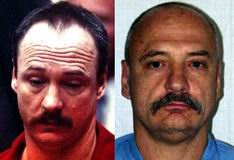
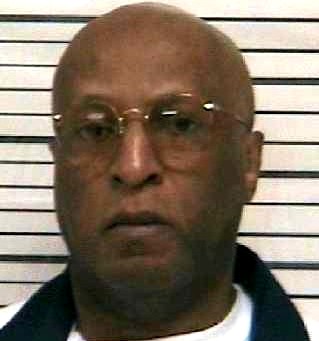
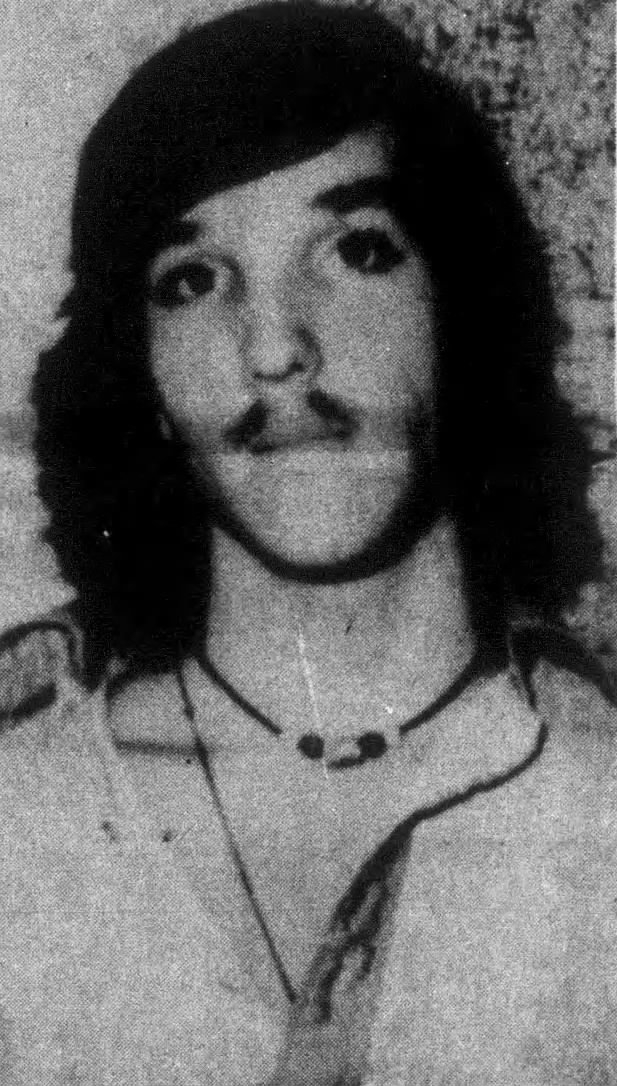
| Legal Identity | Carzell Moore |
| Confirmed Victims | 1 |
| Attributed / Indicted Victims | 1 |
| Active Timeline | December 12, 1976 |
| Jurisdiction / Area of Operations | Cochran and Monroe County, Georgia |
| Criminological Classification | Sexual Murderer / Violent Offender |
| Forensic Modus Operandi | Abduction, rape, and execution by firearm |
| Weapon / Mechanism of Death | 30.06 Rifle |
| Motive / Behavioral Dynamics | Robbery and witness elimination |
| Judicial Outcome | Death sentence (repeatedly overturned/appealed) |
1. Background and Psychopathy
Carzell Moore had a history of criminal activity prior to the 1976 murder. His association with escaped convict Roosevelt Green led to a rapid escalation in criminal violence.
2. Crime Spree
On December 12, 1976, Moore and Green robbed the Majik Market in Cochran, Georgia. They abducted 18-year-old honors student Teresa Carol Allen. After raping the victim, Moore shot her multiple times with a 30.06 rifle to ensure her death and disfigure her face to prevent identification.
3. Investigation and Arrest
Forensic evidence, including tire tracks, footprint casts, and ballistics matching the stolen rifle, linked Moore to the crime scene. The testimony of Thomas Pasby, to whom Moore confessed, was the cornerstone of the prosecution's case.
4. Legal Proceedings and Outcome
Moore was sentenced to death in 1977. The case became a landmark in federal habeas corpus litigation, specifically regarding the right to expert assistance (Ake v. Oklahoma implications) and the prosecutor's duty to disclose witness deals (Brady/Giglio claims).