



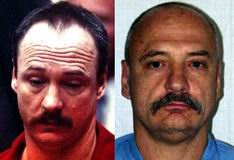
Forensic & Criminological Matrix
| Parameter | Forensic Detail |
|---|---|
| Forensic Heading / Aliases | N/A |
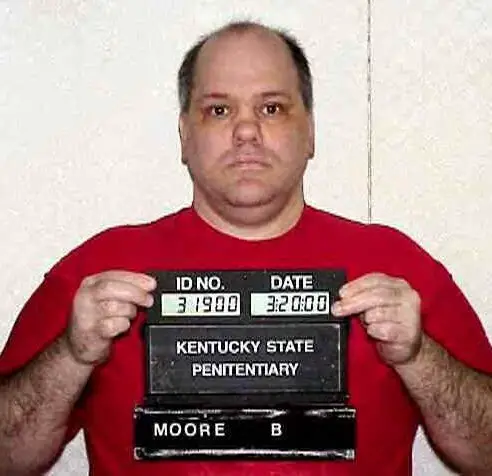
| Legal Identity | Brian Keith Moore |
| Confirmed Victims | 1 |
| Attributed / Indicted Victims | 1 |
| Active Timeline | 1979 |
| Jurisdiction / Area of Operations | Louisville, Kentucky, USA |
| Criminological Classification | Predatory Murderer / Felony Murder |
| Forensic Modus Operandi | Abduction, robbery, and point-blank execution |
| Weapon / Mechanism of Death | Firearm (multiple gunshot wounds) |
| Motive / Behavioral Dynamics | Financial / Instrumental |
| Judicial Outcome | Death sentence (1984) |
1. Background and Profile
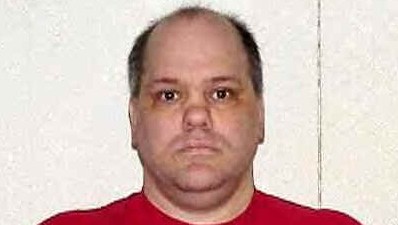
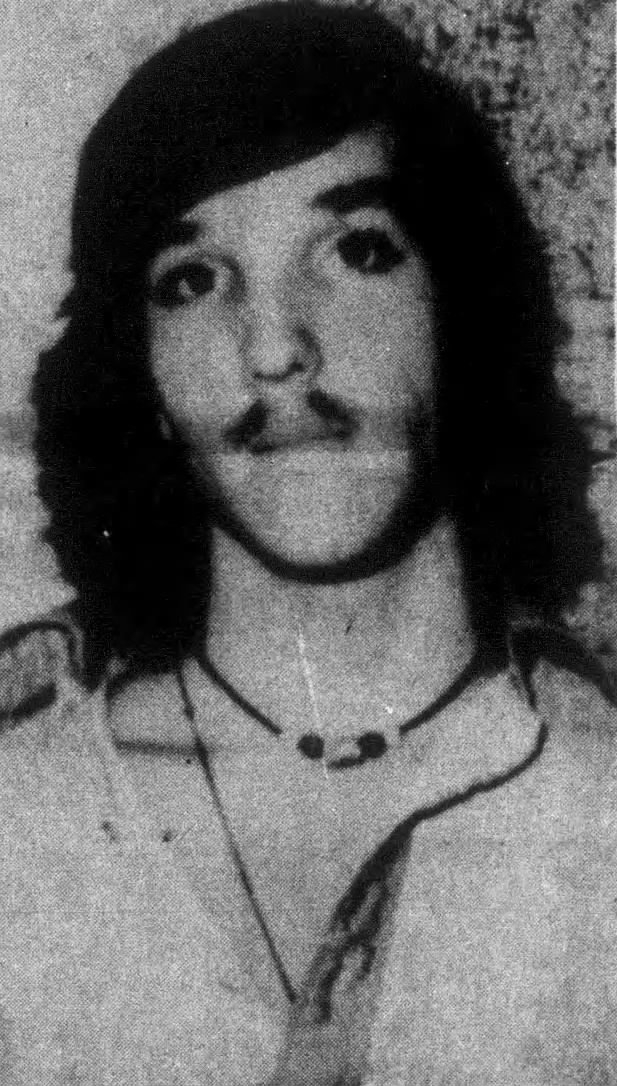
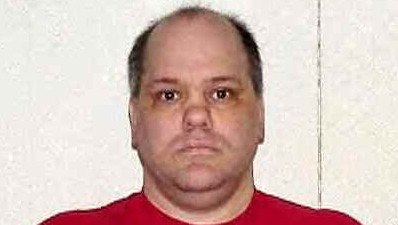
Brian Keith Moore (born December 16, 1957) is a long-term inmate within the Kentucky Department of Corrections. His criminal profile is defined by the 1979 murder of Virgil Harris, a case that has become a focal point for debates regarding evidence preservation and the integrity of the judicial process in capital cases.
2. Crime Spree
On August 10, 1979, Moore abducted 79-year-old Virgil Harris from a grocery store parking lot in Louisville. After forcing the victim into his own vehicle, Moore drove him to a remote wooded area in Jefferson County. Despite the victim's pleas for his life, Moore executed him with multiple gunshots to the head and face. He returned to the scene hours later to strip the victim of his wristwatch.
3. Investigation and Arrest
Law enforcement linked Moore to the scene through circumstantial evidence. The case gained significant attention in 2006 when Moore became the first Kentucky death row inmate to be granted DNA testing on clothing found at the crime scene. However, the process was derailed when the Commonwealth reported that the crucial evidence had been lost, leading to ongoing legal challenges regarding the fairness of his conviction.
4. Legal Proceedings and Outcome
Moore was sentenced to death on November 29, 1984. His legal team has repeatedly sought to overturn the sentence, citing the loss of evidence and the existence of an alternative suspect. The case remains a significant example of the complexities surrounding post-conviction DNA testing in the United States.
5. Psychiatric Evaluation and Conclusion
While Moore remains on death row, the case continues to be contested by defense attorneys who argue that the loss of evidence prevented a fair assessment of his potential innocence. He remains incarcerated in Kentucky.