




Forensic & Criminological Matrix
| Parameter | Forensic Detail |
|---|---|
| Forensic Heading / Aliases | N/A |
| Legal Identity | Luis Jose Monge |
| Confirmed Victims | 4 |
| Attributed / Indicted Victims | 4 |
| Active Timeline | 1963 |
| Jurisdiction / Area of Operations | Denver, Colorado, USA |
| Criminological Classification | Mass Murderer |
| Forensic Modus Operandi | Blunt force trauma, stabbing, and strangulation |
| Weapon / Mechanism of Death | Steel bar, knife, manual strangulation |
| Motive / Behavioral Dynamics | Concealment of incestuous sexual abuse |
| Judicial Outcome | Death penalty, executed by gas chamber |
1. Background and Profile
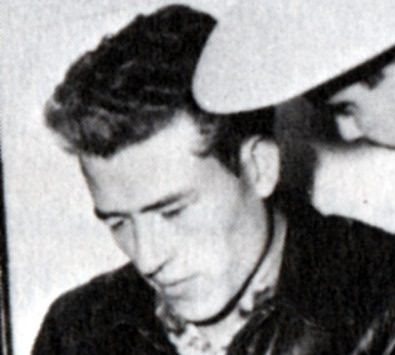
Luis Jose Monge was born on August 21, 1918. A Puerto Rican native raised in New York, he worked as a salesman in Denver, Colorado. His criminal record was minimal, with only a short jail sentence for vagrancy in Louisiana in 1961 after abandoning his family for two months. He had no prior felony convictions before the 1963 mass murder.
2. Crime Spree
In 1963, after his wife discovered he was involved in an incestuous relationship with one of their daughters, Monge decided to murder his family to prevent the exposure of his crimes. He beat his pregnant wife, Leonarda, to death with a steel bar while she slept. He then killed three of their ten children: Teresa (11 months) by stabbing, Vincent (4 years) by strangulation, and Alan (6 years) by bludgeoning with the steel bar. He confessed to the police immediately after the murders.
3. Investigation and Arrest
The investigation was straightforward due to Monge's immediate confession. Denver police recovered the murder weapons—a steel bar and a knife—from the scene. Forensic reports confirmed the causes of death for all four victims, documenting the extreme violence of the attack. Monge remained cooperative throughout the investigative process.
4. Legal Proceedings and Outcome
Monge was evaluated by psychiatrists and found sane, despite his initial plea of not guilty by reason of insanity. He subsequently pleaded guilty to first-degree murder. A jury recommended the death penalty, which was upheld on appeal. Despite a temporary suspension of executions in Colorado in 1966, voters chose to retain the death penalty. Monge eventually fired his attorneys and waived all appeals, requesting his own execution.
5. Forensic Psychiatric Evaluation and Execution
On June 2, 1967, Monge was executed in the Colorado State Penitentiary gas chamber at age 48. His death initiated a de facto moratorium on executions in the United States that lasted until 1977. Per his wishes, one of his corneas was donated to a teenager in a reformatory. He was buried in the Greenwood Pioneer Cemetery in Cañon City.