Forensic & Criminological Matrix
| Parameter | Forensic Detail |
|---|---|
| Forensic Heading / Aliases | N/A |
| Legal Identity | Jessie Ray Moffett |
| Confirmed Victims | 2 |
| Attributed / Indicted Victims | 2 |
| Active Timeline | 1979 - 1987 |
| Jurisdiction / Area of Operations | San Diego, California |
| Criminological Classification | Multihomicide offender / Violent criminal |
| Forensic Modus Operandi | Lethal physical assault (bludgeoning) and firearm execution |
| Weapon / Mechanism of Death | Blunt force trauma and firearm |
| Motive / Behavioral Dynamics | Sexual and economic |
| Judicial Outcome | Sentenced to death in 1992; died in prison in 1998 |
1. Background and Profile
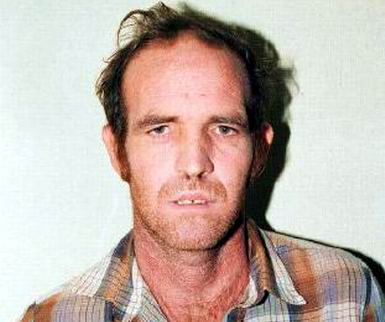
Jessie Ray Moffett was a 34-year-old offender whose criminal career in San Diego, California, spanned nearly a decade. His criminological profile is marked by an escalation from sexual assault and murder to a spree of armed robberies.
2. Crime Spree
The first documented crime occurred in 1979, when Moffett murdered and raped 20-year-old Debra Owen at the Linda Vista Recreation Center, beating her to death. Eight years later, in 1987, Moffett fatally shot 67-year-old security guard Glen Avery during a robbery at the Kearny Mesa Holiday Inn. This killing was the climax of a month-long crime spree involving multiple armed robberies.
3. Investigation and Arrest
The investigation was protracted due to the eight-year gap between the murders. An initial trial failed to reach a verdict regarding the death of Debra Owen. A subsequent trial successfully consolidated evidence, leading to convictions on 17 charges, including four special circumstances: multiple murders, murder during a robbery, murder during a kidnapping, and murder during a burglary.
4. Legal Proceedings and Outcome
Superior Court Judge William D. Mudd presided over the trial. Defense attorney Geraldine Russell challenged the jury's deliberations, citing alleged irregularities and insufficient time for review. Judge Mudd denied these motions. The jury, consisting of six men and six women, deliberated for less than four hours before returning a death penalty verdict.
5. Forensic Assessment and Conclusion
Jurors stated that the decision to impose the death penalty was the most difficult of their lives, citing Moffett's lack of remorse as a primary factor. Following his 1992 sentencing, Moffett was incarcerated at San Quentin State Prison, where he died on May 2, 1998.