Forensic & Criminological Matrix
| Parameter | Forensic Detail |
|---|---|
| Forensic Heading / Aliases | Luke Mitchell |
| Legal Identity | Luke Muir Mitchell |
| Confirmed Victims | 1 |
| Attributed / Indicted Victims | 1 |
| Active Timeline | June 30, 2003 |
| Jurisdiction / Area of Operations | Dalkeith, Midlothian, Scotland |
| Criminological Classification | Murderer |
| Forensic Modus Operandi | Knife attack in a wooded area |
| Weapon / Mechanism of Death | Knife (sharp-pointed blade) |
| Motive / Behavioral Dynamics | Passion / Unknown |
| Judicial Outcome | Life imprisonment (20-year minimum) |
1. Background and Profile
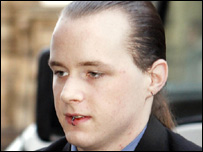
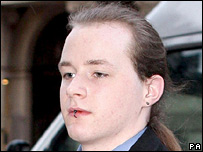
Luke Muir Mitchell (born July 24, 1988) was a 14-year-old student at St David's High School in Dalkeith at the time of the murder. He was in a relationship with Jodi Jones. Media reports at the time characterized him as a Goth with an interest in Marilyn Manson and the Black Dahlia case, though later investigations suggested these characterizations were exaggerated or misconstrued by the prosecution.
2. Crime Spree
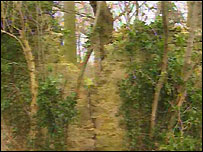
On June 30, 2003, Jodi Jones was murdered on the Roan's Dyke Path. Her body was found in a wooded area behind a stone wall. The injuries were described as a 'savage knife attack,' involving severe throat lacerations and post-mortem mutilations. Mitchell discovered the body while participating in a search party, which the prosecution argued was evidence of 'guilty knowledge.'
3. Investigation and Arrest
The investigation relied heavily on circumstantial evidence, including the lack of a corroborated alibi, the testimony of his brother Shane Mitchell, and the alleged destruction of evidence in a garden incinerator. The absence of forensic DNA evidence linking Mitchell to the crime scene became a major point of contention for critics of the conviction.
4. Legal Proceedings and Outcome
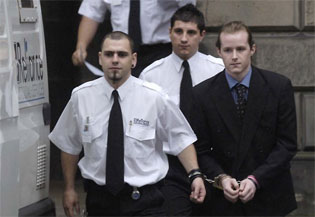
Mitchell was convicted on January 21, 2005, following a 42-day trial. He was sentenced to life imprisonment with a minimum term of 20 years. Subsequent appeals in 2006 and 2008 were unsuccessful. The case remains a subject of intense public debate in Scotland, with ongoing campaigns asserting his innocence based on the circumstantial nature of the evidence and the potential for alternative suspects.