Forensic & Criminological Matrix
| Parameter | Forensic Detail |
|---|---|
| Forensic Heading / Aliases | None |
| Legal Identity | William Chester Minor |
| Confirmed Victims | 1 |
| Attributed / Indicted Victims | 1 |
| Active Timeline | 1872 |
| Jurisdiction / Area of Operations | Lambeth, London, UK |
| Criminological Classification | Mentally ill offender (Schizophrenia) |
| Forensic Modus Operandi | Firearm assault in public space |
| Weapon / Mechanism of Death | Revolver |
| Motive / Behavioral Dynamics | Paranoid delusions and PTSD |
| Judicial Outcome | Not guilty by reason of insanity; committed to Broadmoor |
1. Background and Profile
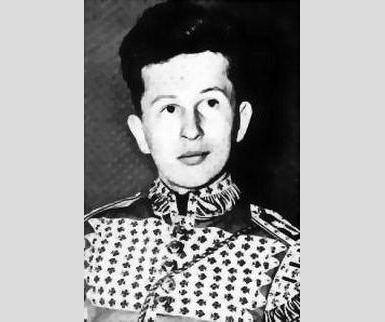
Born in Ceylon in 1834 to missionary parents, William Chester Minor was a Yale-educated surgeon. His service in the American Civil War, particularly the trauma of the Battle of the Wilderness, is widely cited as the onset of his severe mental decline, characterized by deep-seated paranoia and delusions regarding the Irish.
2. Crime Spree
In 1872, while living in the slums of Lambeth, London, Minor's paranoia reached a breaking point. On February 17, he shot and killed George Merrett, a brewery worker, under the delusion that Merrett was an intruder attempting to break into his lodgings.
3. Investigation and Arrest
Minor was apprehended near the scene by a police constable shortly after the shooting. He readily admitted to the act, stating he would not be a coward to shoot a woman, but felt justified in targeting the man he perceived as a threat.
4. Legal Proceedings and Outcome
Minor was found not guilty by reason of insanity in April 1872. He was committed to Broadmoor Asylum, where he lived in relative comfort, eventually becoming a prolific volunteer contributor to the Oxford English Dictionary.
5. Psychiatric Diagnosis and Final Years
Diagnosed with schizophrenia, Minor suffered from self-mutilation in 1902. He was repatriated to the United States in 1910 and died in 1920 in Connecticut.