



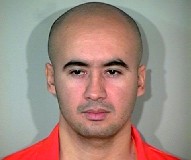
Forensic & Criminological Matrix
| Parameter | Forensic Detail |
|---|---|
| Forensic Heading / Aliases | Andre Lamont Minnitt |
| Legal Identity | Andre Lamont Minnitt |
| Confirmed Victims | 0 (Convictions vacated due to prosecutorial misconduct) |
| Attributed / Indicted Victims | 3 (Fred Gee, Ray Arriola, Zewan Hong) |
| Active Timeline | 1992 |
| Jurisdiction / Area of Operations | Tucson, Arizona |
| Criminological Classification | Multiple murderer / Violent offender |
| Forensic Modus Operandi | Summary execution of witnesses during armed robbery |
| Weapon / Mechanism of Death | .25 caliber semi-automatic pistol |
| Motive / Behavioral Dynamics | Pecuniary gain and witness elimination |
| Judicial Outcome | Convictions vacated; charges dismissed with prejudice |
1. Background and Profile
Born on November 12, 1969, Andre Lamont Minnitt grew up in a highly dysfunctional environment. His childhood was marked by a lack of parental guidance, domestic violence, and exposure to substance abuse. These environmental stressors contributed to his early entry into the criminal justice system in Tucson, Arizona.
2. Criminal Career and Modus Operandi
On June 24, 1992, Minnitt and two accomplices, Martin Soto-Fong and Christopher McCrimmon, targeted the El Grande Market. Utilizing Soto-Fong's knowledge of the store's closing procedures, they entered the premises, robbed the cash register, and executed the three individuals present: Fred Gee, Ray Arriola, and Zewan Hong. The victims were shot execution-style in the head to eliminate witnesses.
3. Investigation and Arrest
The investigation relied heavily on the testimony of an informant, Keith Woods. However, it was later discovered that lead detective Joseph Godoy and prosecutor Kenneth Peasley had solicited false testimony to secure convictions. This misconduct severely compromised the structural integrity of the trials.
4. Legal Proceedings and Outcome
Minnitt faced multiple trials. Following the revelation of prosecutorial misconduct, the Arizona Supreme Court vacated his murder convictions. The court ruled that the misconduct by the state was so egregious that a fair trial was impossible, leading to the dismissal of all murder charges with prejudice. Minnitt remains incarcerated for unrelated robbery convictions.