




Forensic & Criminological Matrix
| Parameter | Forensic Detail |
|---|---|
| Forensic Heading / Aliases | N/A |
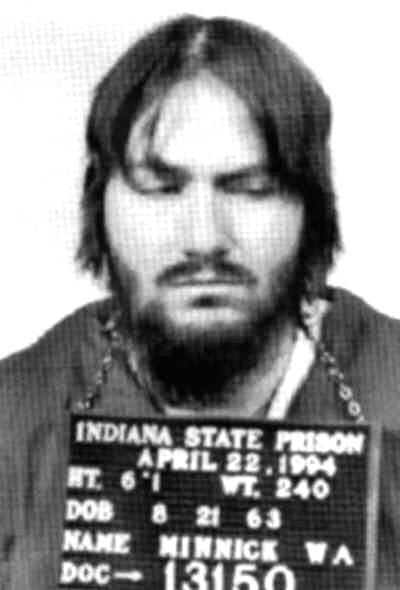
| Legal Identity | William A. Minnick |
| Confirmed Victims | 1 |
| Attributed / Indicted Victims | 1 |
| Active Timeline | October 26, 1981 |
| Jurisdiction / Area of Operations | Greencastle, Indiana |
| Criminological Classification | Sexual Murderer |
| Forensic Modus Operandi | Rape, sodomy, electrical torture, and stabbing |
| Weapon / Mechanism of Death | Knife and ligatures |
| Motive / Behavioral Dynamics | Robbery and sadistic sexual gratification |
| Judicial Outcome | Convicted of murder, rape, and robbery; currently imprisoned |
1. Background and Profile
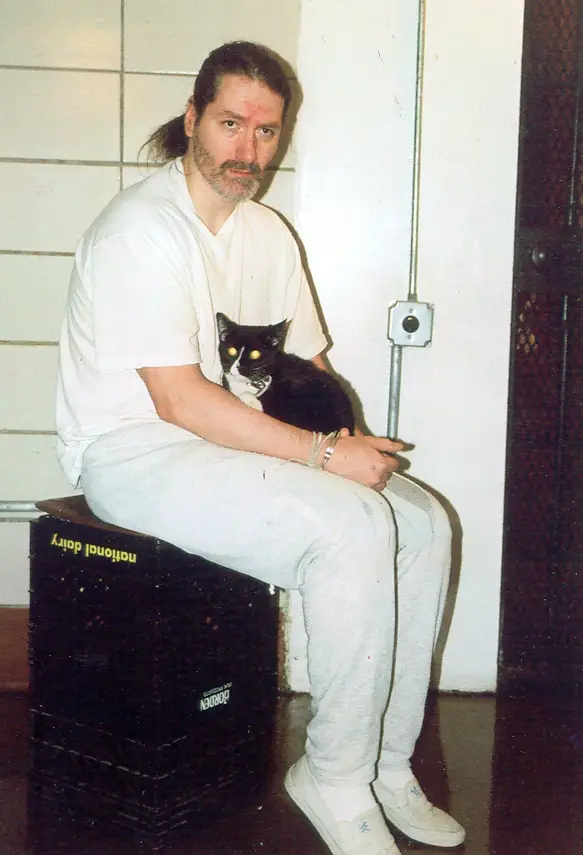
William A. Minnick (born August 21, 1963) was 18 years old at the time of his primary criminal offense. His profile reflects a pattern of extreme violence and sexual sadism, culminating in the brutal murder of a local acquaintance.
2. Crime Spree
On October 26, 1981, Martha Payne was found dead in her Greencastle home by her husband. The forensic examination revealed she had been raped, anally sodomized, and stabbed in the back and shoulder. Evidence of ligature strangulation and electrical burns on her ankles suggested a prolonged period of torture. A quantity of coins was stolen from the residence.
3. Investigation and Arrest
Minnick became a suspect after his vehicle was spotted near the crime scene. Forensic evidence, including a hair sample from the victim found on an electrical wire in his car, linked him to the crime. His girlfriend provided testimony that he confessed to the rape, though he attempted to deflect blame for the murder onto an individual named 'Ace'.
4. Legal Proceedings and Outcome
Minnick faced a long and complex legal battle. Initially sentenced to death in 1982, the conviction was overturned due to procedural errors regarding his confession. He was re-convicted and sentenced to death in 1985. In 2000, a federal judge vacated the death sentence, ruling that the imposition of the death penalty against the jury's recommendation violated equal protection. He remains imprisoned while awaiting final sentencing proceedings.
5. Psychiatric Evaluation and Conclusion
Throughout the 2000s, Minnick's competency became a central issue. In 2004, the court found him incompetent to stand for re-sentencing, mandating mental health treatment. The case remains a significant study in Indiana's judicial history regarding the override of jury sentencing recommendations.