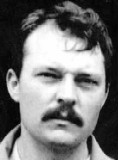
Forensic & Criminological Matrix
| Parameter | Forensic Detail |
|---|---|
| Forensic Heading / Aliases | null |
| Legal Identity | Rufus Junior Mincey |
| Confirmed Victims | 1 |
| Attributed / Indicted Victims | 1 |
| Active Timeline | October 28, 1974 |
| Jurisdiction / Area of Operations | Tucson, Arizona, USA |
| Criminological Classification | Law enforcement killer |
| Forensic Modus Operandi | Armed confrontation during undercover operation |
| Weapon / Mechanism of Death | Handgun |
| Motive / Behavioral Dynamics | Drug trafficking and resistance to arrest |
| Judicial Outcome | Convicted of second-degree murder after multiple appeals |
1. Background and Psychopathy
Rufus Junior Mincey was a heroin dealer in Tucson, Arizona. His case is primarily studied for its constitutional implications regarding the Fourth Amendment and the limitations of warrantless searches in homicide investigations.
2. Crime Spree
On October 28, 1974, undercover narcotics agent Barry Headricks attempted a buy-bust operation at Mincey's apartment. The situation escalated into a shootout when the occupants suspected the agents' identities. Mincey fired seven shots, killing Headricks.
3. Investigation and Arrest
Following the shooting, Tucson police conducted a four-day warrantless search of the apartment. This search became the focal point of the legal battle, as the U.S. Supreme Court eventually ruled that the search violated the Fourth Amendment, as there was no "murder scene" exception to the warrant requirement.
4. Legal Proceedings and Outcome
Mincey faced three trials. His initial murder convictions were overturned by the Arizona Supreme Court due to issues regarding jury instructions on intent and the burden of proof. He was eventually convicted of second-degree murder and served a 25-year sentence.