Forensic & Criminological Matrix
| Parameter | Forensic Detail |
|---|---|
| Forensic Heading / Aliases | Evan James Miller |
| Legal Identity | Evan James Miller |
| Confirmed Victims | 1 |
| Attributed / Indicted Victims | 1 |
| Active Timeline | July 15, 2003 |
| Jurisdiction / Area of Operations | Lawrence County, Alabama, USA |
| Criminological Classification | Juvenile Homicide / Violent Offender |
| Forensic Modus Operandi | Blunt force trauma and arson |
| Weapon / Mechanism of Death | Baseball bat, fists, and smoke inhalation |
| Motive / Behavioral Dynamics | Robbery and violent altercation |
| Judicial Outcome | Life imprisonment without parole (subject to Supreme Court sentencing review) |
1. Background and Profile
Born on November 2, 1988, Evan James Miller had a history of severe childhood trauma, including poverty, neglect, and abuse. Psychological evaluations documented a history of substance abuse and diagnoses including conduct disorder, oppositional defiant disorder, and antisocial personality disorder.
2. Crime Spree
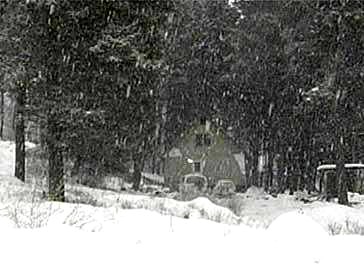
On July 15, 2003, 14-year-old Miller and 16-year-old Colby Smith attacked their neighbor, 52-year-old Cole C. Cannon. After drinking and smoking with the victim, they beat him with a baseball bat and their fists, stole his wallet and baseball cards, and set his trailer on fire to cover their tracks. Cannon died from a combination of blunt force trauma and smoke inhalation.
3. Investigation and Arrest
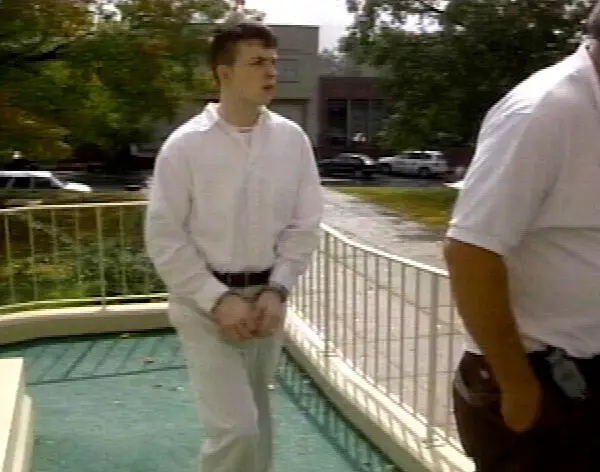
Initial fire investigations were deemed suspicious. A subsequent autopsy revealed pre-fire injuries, including multiple rib fractures and head trauma. Miller eventually confessed to his involvement after being confronted with forensic evidence and inconsistencies in his statements.
4. Legal Proceedings and Outcome
Miller was tried as an adult and convicted of capital murder in 2006. He received a mandatory sentence of life without parole. The case eventually reached the U.S. Supreme Court, which in Miller v. Alabama (2012) ruled that mandatory life-without-parole sentences for juveniles are unconstitutional, fundamentally changing juvenile sentencing laws across the United States.