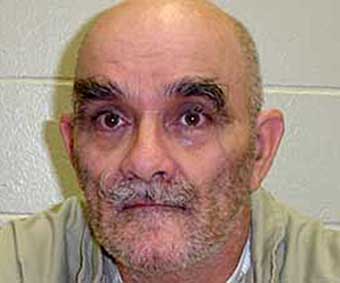
Forensic & Criminological Matrix
| Parameter | Forensic Detail |
|---|---|
| Forensic Heading / Aliases | None |
| Legal Identity | Benjamin Franklin Miller Jr. |
| Confirmed Victims | 0 (Found not guilty by reason of insanity) |
| Attributed / Indicted Victims | 5 |
| Active Timeline | 1967-1971 |
| Jurisdiction / Area of Operations | Stamford, Connecticut |
| Criminological Classification | Serial Killer (Indicted) |
| Forensic Modus Operandi | Strangulation with intimate apparel |
| Weapon / Mechanism of Death | Manual strangulation and brassieres |
| Motive / Behavioral Dynamics | Chronic schizophrenia, religious delusions |
| Judicial Outcome | Not guilty by reason of insanity (1973) |
1. Background and Psychopathy
Benjamin Franklin Miller Jr. moved to Connecticut from Illinois in 1948. A postal clerk by trade, he identified as a self-ordained street preacher. His psychiatric history was documented as early as 1953, with diagnoses of chronic undifferentiated schizophrenia. He was known for his religious fanaticism and social isolation from coworkers.
2. Crime Spree
Between 1967 and 1971, five young women were found strangled in wooded areas near the Merritt Parkway in Stamford. The victims included Rosell Rush, Donna Roberts, Gloria Conn, Gail Thompson, and Alma Henry. The killer utilized brassieres as ligatures and transported victims in his vehicle trunk.
3. Investigation and Arrest
Following intense public pressure, a special task force identified Miller due to his psychiatric history and contacts with the victims. Miller confessed to the murders while involuntarily committed at Fairfield Hills Hospital. He provided detailed statements and led police to the crime scenes.
4. Legal Proceedings and Outcome
Miller was indicted in 1972. In 1973, he pleaded not guilty by reason of insanity. Years later, he filed a habeas corpus petition, arguing that the State suppressed evidence regarding Robert Lupinacci, a man caught attempting to strangle a woman in the same area in 1972. In 1988, the Second Circuit Court of Appeals ruled that the withheld evidence was material under Brady v. Maryland, granting Miller the right to a new trial.