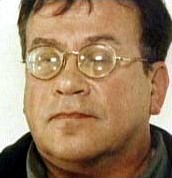
Forensic & Criminological Matrix
| Parameter | Forensic Detail |
|---|---|
| Forensic Heading / Aliases | The Medicare Murderer |
| Legal Identity | Ronald Mikos |
| Confirmed Victims | 1 |
| Attributed / Indicted Victims | 1 |
| Active Timeline | 2002 |
| Jurisdiction / Area of Operations | Evanston, Illinois |
| Criminological Classification | Witness killer / White-collar criminal |
| Forensic Modus Operandi | Execution via firearm (.22) following surveillance |
| Weapon / Mechanism of Death | .22-caliber revolver (unrecovered) |
| Motive / Behavioral Dynamics | Obstruction of justice regarding Medicare fraud |
| Judicial Outcome | Life imprisonment (original death sentence commuted) |
1. Background and Psychopathy
Ronald Mikos, born December 10, 1947, in Chicago, was a podiatrist who engaged in a massive Medicare fraud scheme. His descent into violence was driven by the necessity to silence witnesses who were prepared to testify against his fraudulent billing practices, which totaled over $1.2 million.
2. Crime Spree
On January 27, 2002, Mikos murdered Joyce Brannon, a 54-year-old nurse and church caretaker. Brannon was a key witness in the federal investigation against him. Mikos entered her basement apartment and shot her six times in the head and back at point-blank range. Brannon's physical infirmities made her unable to flee or resist the attack.
3. Investigation and Arrest
Federal investigators utilized circumstantial evidence, including cell phone tower data, ballistics analysis of bullets found in Mikos's car, and handwritten notes regarding the victim's schedule. Despite the absence of the murder weapon, the prosecution successfully linked Mikos to the crime through his ownership of a specific .22-caliber revolver and his systematic attempts to intimidate other subpoenaed patients.
4. Legal Proceedings and Outcome
In the case of United States v. Mikos, the defendant was convicted of Medicare fraud, witness tampering, and murder. In 2005, a federal jury recommended the death penalty, a rare occurrence in the Chicago federal court system. The conviction was upheld by the Seventh Circuit Court of Appeals in 2008, focusing on the premeditated nature of the witness execution.