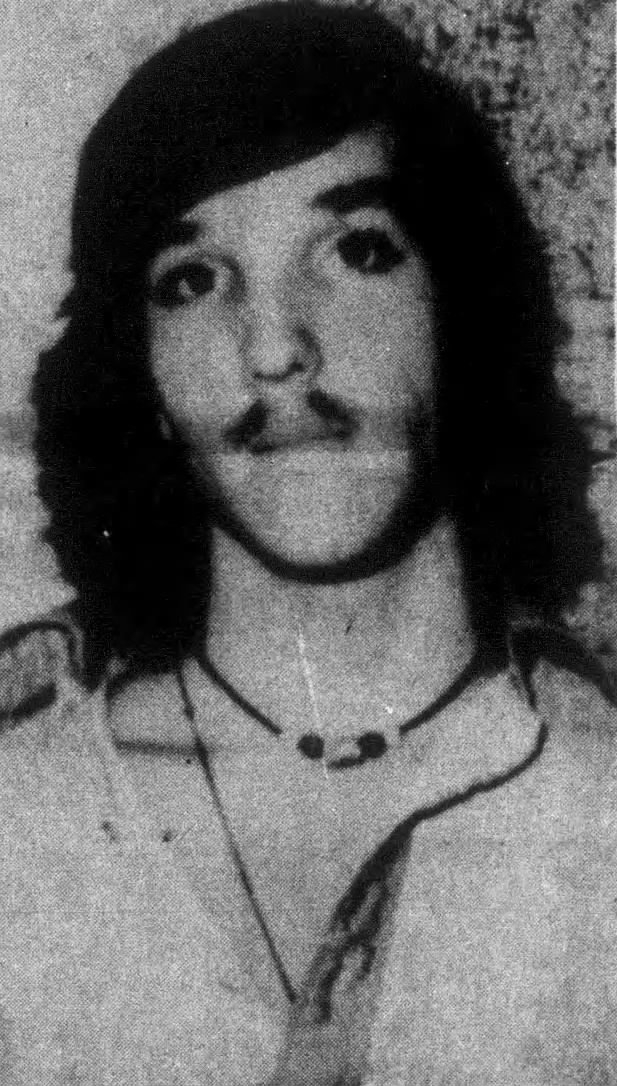
Forensic & Criminological Matrix
| Parameter | Forensic Detail |
|---|---|
| Forensic Heading / Aliases | The Cable Guy |
| Legal Identity | David Stephen Middleton |
| Confirmed Victims | 2 |
| Attributed / Indicted Victims | 1 (Buffy Rice Donohue) |
| Active Timeline | 1993-1995 |
| Jurisdiction / Area of Operations | Nevada and Colorado, USA |
| Criminological Classification | Serial Killer |
| Forensic Modus Operandi | Kidnapping, torture, asphyxiation |
| Weapon / Mechanism of Death | Asphyxiation, stun gun, ligatures |
| Motive / Behavioral Dynamics | Sexual sadism and control |
| Judicial Outcome | Death sentence (upheld 2009) |
1. Background and Profile
David Stephen Middleton (born 1961) is a former Miami-Dade police officer who transitioned into a life of violent crime. After being forced out of law enforcement due to sexual assault allegations, he relocated to the Western United States, where he worked as a cable TV technician. This role provided him with the perfect cover to scout potential victims and gain entry into their homes.
2. Crime Spree
Middleton's killing spree targeted vulnerable women. In 1994, he abducted Thelma Davila, and in 1995, he abducted Katherine Powell. He utilized a rented storage unit as a torture chamber, where he kept victims bound and gagged. Forensic evidence, including DNA and bite mark analysis, linked him directly to the horrific deaths of these women, who were found in remote areas wrapped in plastic and rope.
3. Investigation and Arrest
Police investigation was bolstered by the discovery of a modified refrigerator in Middleton's storage unit, which contained air holes and was used to suffocate victims. The case was built on a combination of digital evidence (credit card usage), physical evidence (ropes and restraints), and biological evidence (DNA matches on foam balls and blankets).
4. Legal Proceedings and Outcome
Middleton was convicted in 1997 on two counts of first-degree murder and kidnapping. Despite numerous appeals regarding his due process rights and the validity of his death sentence, the Nevada Supreme Court upheld his conviction in 2009, citing the sadistic nature of his crimes and the overwhelming evidence against him.