Forensic & Criminological Matrix
| Parameter | Forensic Detail |
|---|---|
| Forensic Heading / Aliases | N/A |
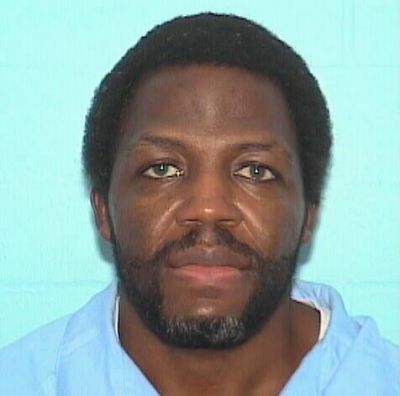
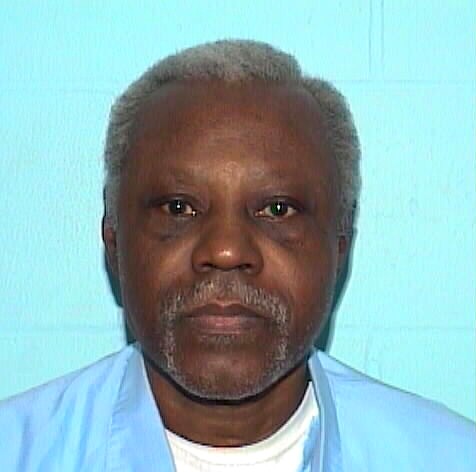
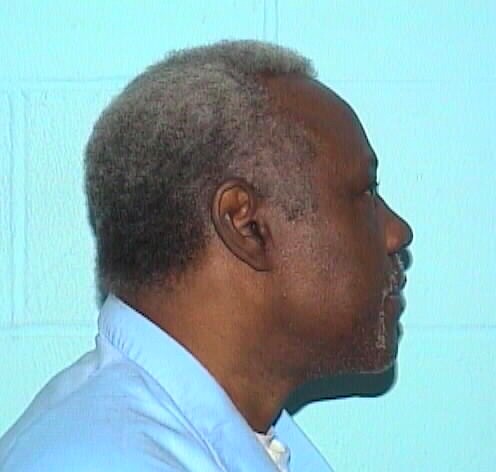
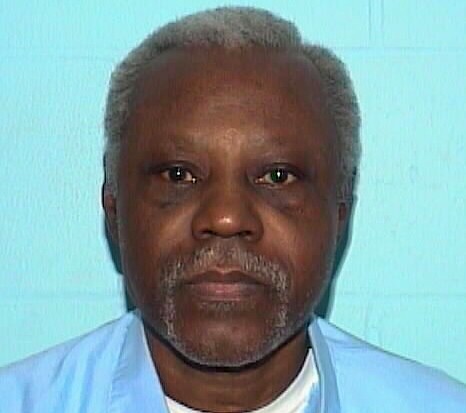
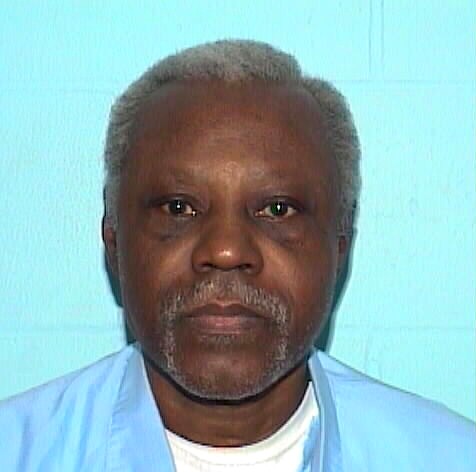
| Legal Identity | Bernard Middleton |
| Confirmed Victims | 1 |
| Attributed / Indicted Victims | 4 |
| Active Timeline | 1995-1998 |
| Jurisdiction / Area of Operations | Chicago, Illinois |
| Criminological Classification | Serial Sexual Predator / Murderer |
| Forensic Modus Operandi | Armed intimidation, abduction, and sexual assault |
| Weapon / Mechanism of Death | Knife / Asphyxiation or blunt force (homicide) |
| Motive / Behavioral Dynamics | Sexual predation |
| Judicial Outcome | Convicted of murder and sexual assault |
1. Background and Profile
Bernard Middleton (born 1947) exhibited a criminal trajectory that began with minor offenses in the late 1980s. His criminological profile is marked by a clear escalation from property crimes to severe sexual violence. The failure of the Illinois justice system to mandate DNA collection during his earlier arrests (1987, 1993) allowed him to remain unidentified despite leaving forensic evidence at multiple crime scenes.
2. Crime Spree
Middleton's modus operandi involved targeting women in urban settings. He would use a knife to force victims into isolated areas. On September 25, 1995, he raped a 22-year-old woman on the 600 block of West Garfield. On October 16, 1995, he abducted, raped, and murdered a 32-year-old woman at Hope Academy on the 5500 block of South Lowe. Further sexual assaults occurred in 1997 and 1998, demonstrating a persistent pattern of violence.
3. Investigation and Arrest
The investigation relied heavily on forensic DNA evidence recovered from sexual assault kits. However, these samples remained 'cold' until Middleton was arrested for retail theft in 2002. Upon his incarceration, his DNA was finally entered into the state database, resulting in a direct match to the evidence collected from the 1995-1998 crime scenes.
4. Legal Proceedings and Outcome
Middleton was charged on May 1, 2003, with the murder and three counts of aggravated criminal sexual assault. His case serves as a landmark study in forensic policy, illustrating how the failure to collect DNA from repeat offenders directly contributed to the loss of life and the victimization of multiple women.