Forensic & Criminological Matrix
| Parameter | Forensic Detail |
|---|---|
| Forensic Heading / Aliases | The Banker of God |
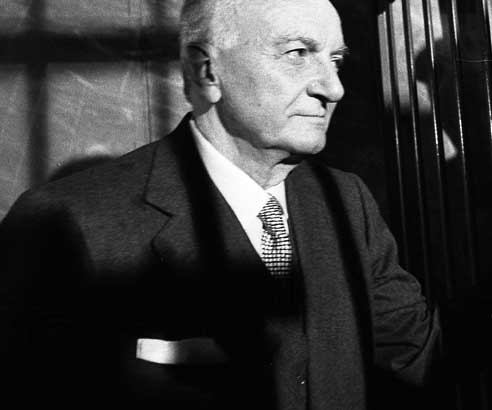
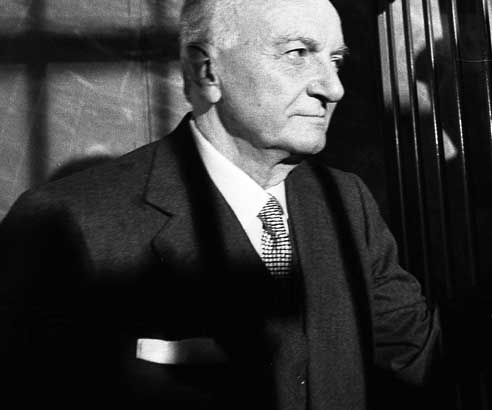
| Legal Identity | Michele Sindona |
| Confirmed Victims | 1 |
| Attributed / Indicted Victims | 1 |
| Active Timeline | 1957-1986 |
| Jurisdiction / Area of Operations | Italy, United States |
| Criminological Classification | Criminal Banker, Intellectual Author of Homicide |
| Forensic Modus Operandi | Money laundering, bank fraud, contract killing |
| Weapon / Mechanism of Death | Firearm (intellectual author) |
| Motive / Behavioral Dynamics | Greed, concealment of criminal activities |
| Judicial Outcome | Sentenced to 25 years for murder; died in prison |
1. Background and Psychopathy
Born in Patti, Sicily, in 1920, Michele Sindona was a highly intelligent individual who leveraged his legal and accounting background to facilitate organized crime. He became a central figure in the Propaganda Due (P2) lodge, bridging the gap between the Sicilian Mafia, the Vatican, and Italian political elites.
2. Crime Spree
Sindona's criminal career was defined by the massive laundering of heroin proceeds for the Gambino crime family. His financial empire, including the Franklin National Bank, collapsed in 1974. To prevent the exposure of his illicit operations, he ordered the assassination of Giorgio Ambrosoli, the court-appointed liquidator of his banks, in 1979.
3. Investigation and Arrest
Italian magistrate Giuliano Turone spearheaded the investigation into Sindona's financial crimes and his role in the murder of Ambrosoli. Despite a staged kidnapping in 1979, Sindona was eventually extradited to Italy following a conviction for fraud in the United States.
4. Legal Proceedings and Outcome
In 1984, Sindona was sentenced to 25 years in prison for the murder of Giorgio Ambrosoli. He was held in the high-security prison of Voghera.
5. Forensic Conclusion
On March 18, 1986, Sindona was poisoned with cyanide in his prison cell. He died on March 22. While some officials suggested suicide, the prevailing forensic and investigative consensus, supported by figures like Giovanni Falcone, points to a targeted assassination to prevent him from revealing further details about the P2 lodge and its political connections.