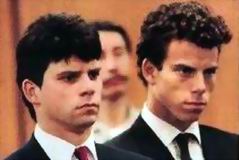
Forensic & Criminological Matrix
| Parameter | Forensic Detail |
|---|---|
| Forensic Heading / Aliases | null |
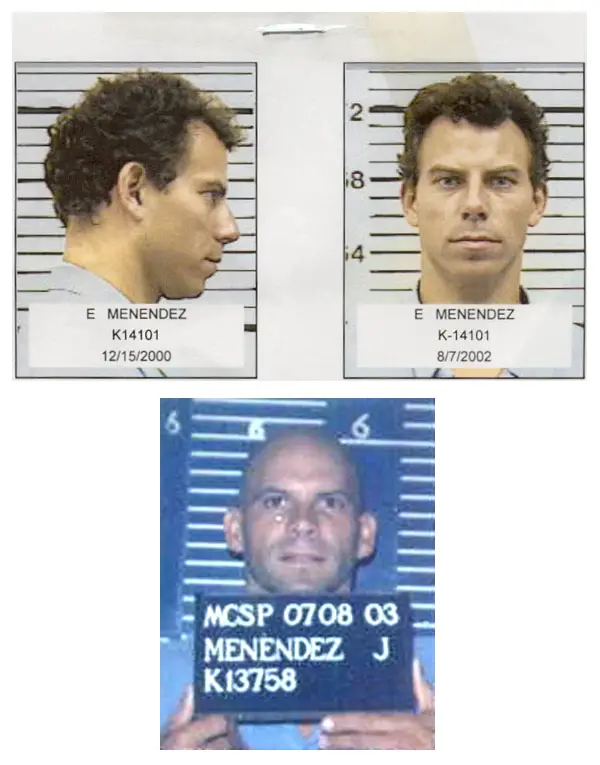
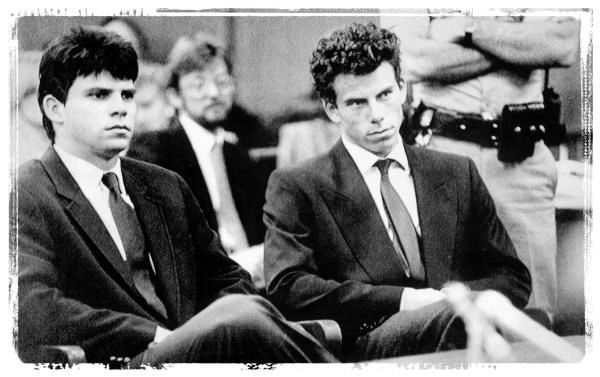
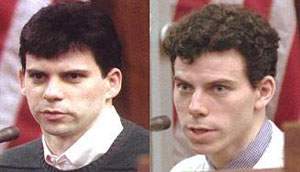
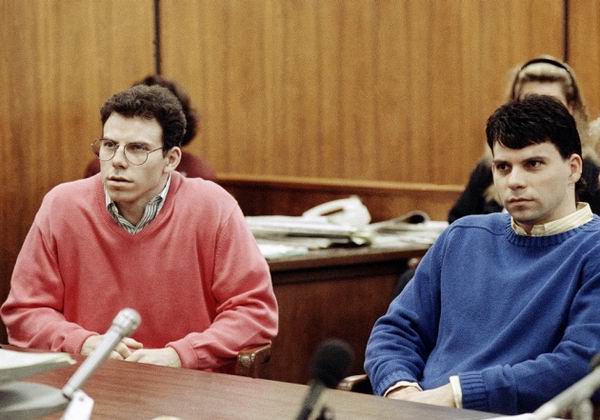
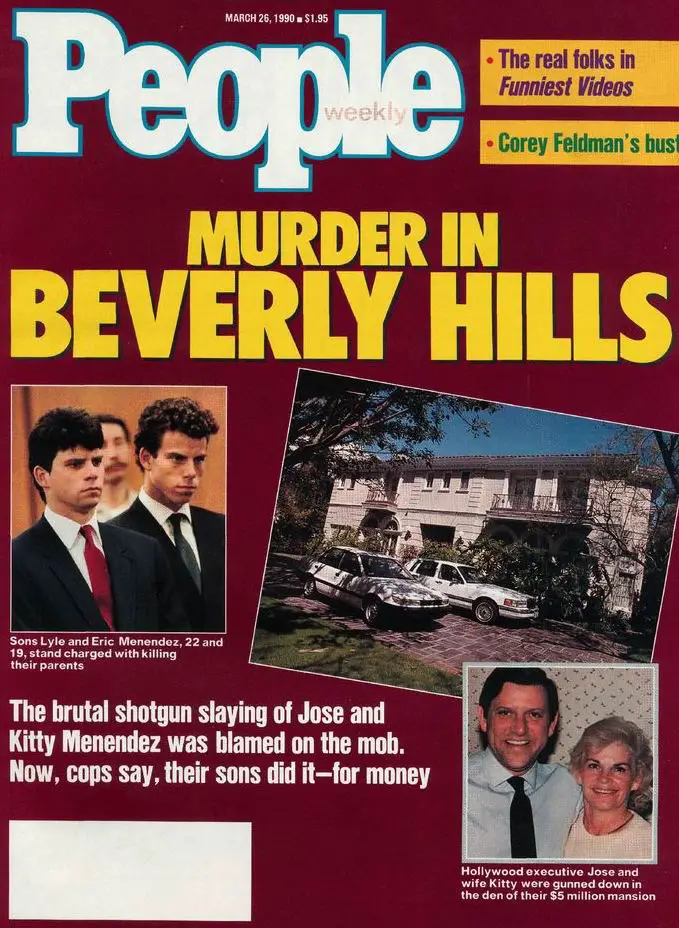
| Legal Identity | Joseph Lyle Menendez and Erik Galen Menendez |
| Confirmed Victims | 2 |
| Attributed / Indicted Victims | 2 |
| Active Timeline | August 20, 1989 |
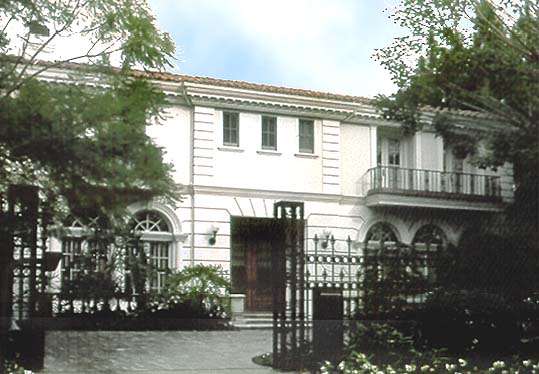
| Jurisdiction / Area of Operations | Beverly Hills, California, USA |
| Criminological Classification | Parricides |
| Forensic Modus Operandi | Ambush with 12-gauge Mossberg shotguns |
| Weapon / Mechanism of Death | Pump-action shotgun |
| Motive / Behavioral Dynamics | Greed, parental control, and family conflict |
| Judicial Outcome | Life imprisonment without parole |
1. Background and Psychopathy
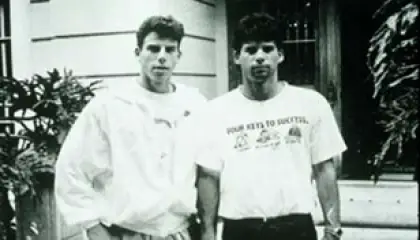
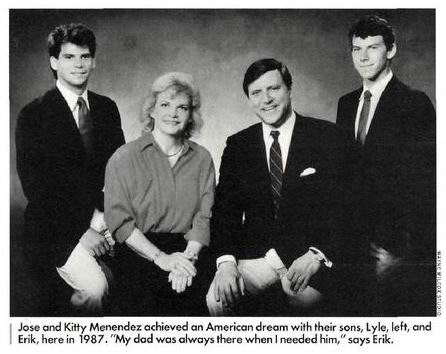
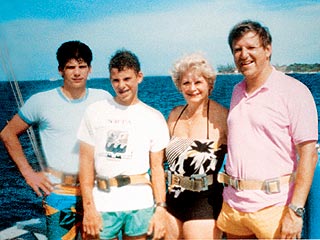
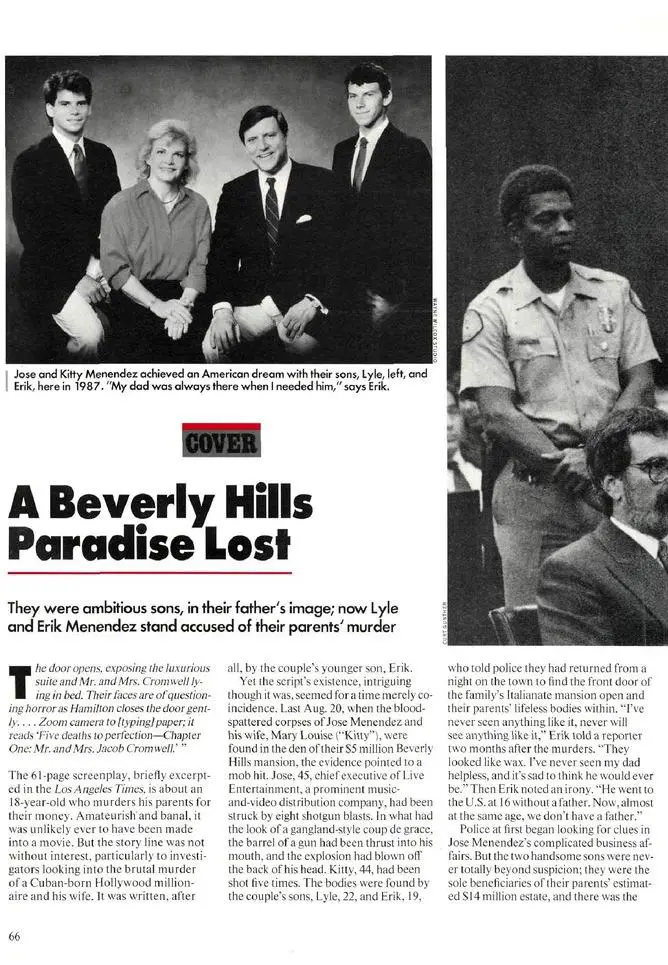
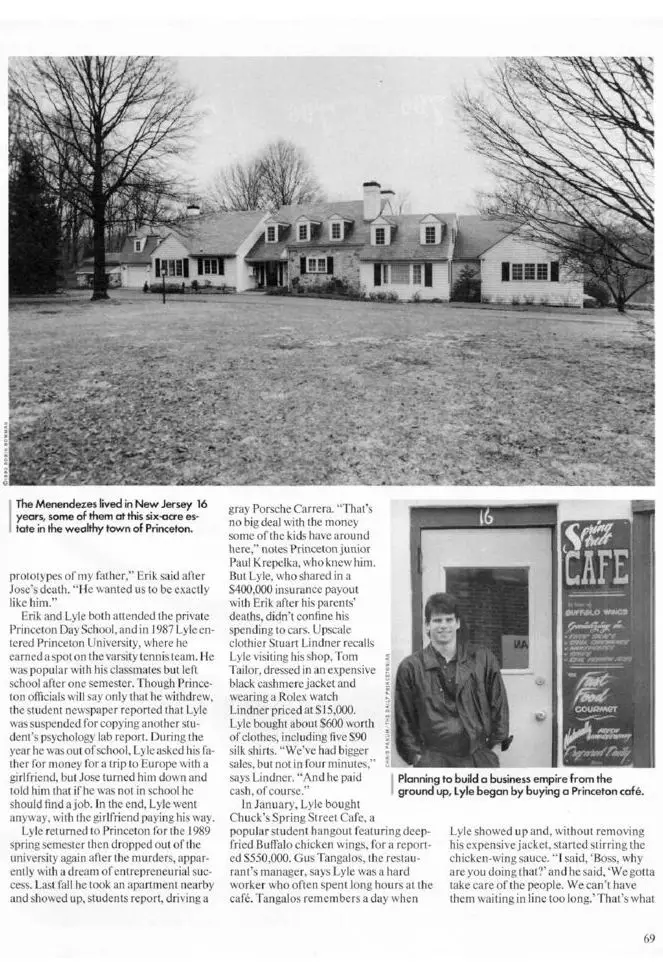
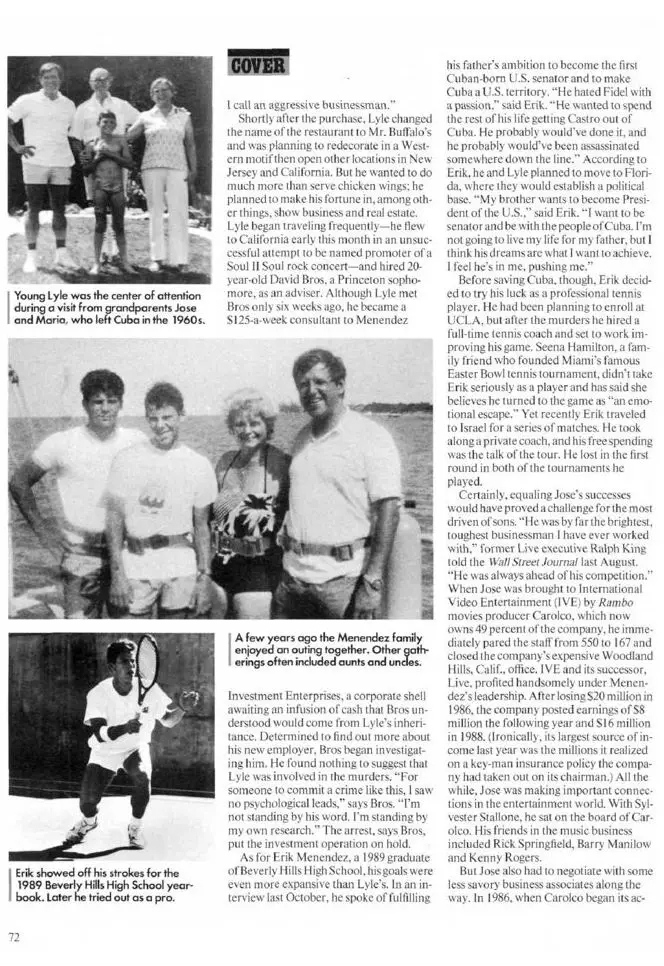
Joseph Lyle Menendez and Erik Galen Menendez were raised in an affluent, high-pressure environment. Their father, Jose Menendez, was a high-ranking entertainment executive. The brothers struggled with academic probation and disciplinary issues, often clashing with their father's rigid expectations. The family's move to Beverly Hills in 1987 exacerbated existing tensions within the household.
2. Crime Spree
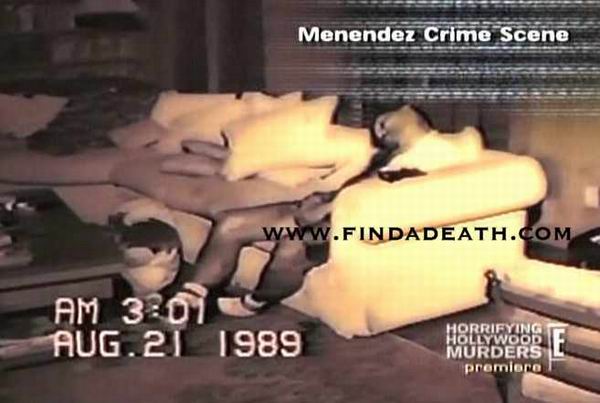
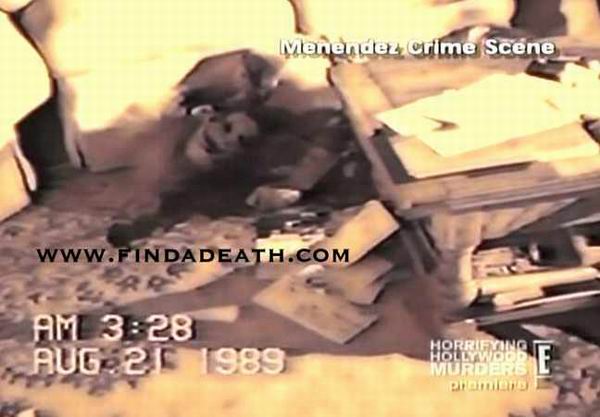
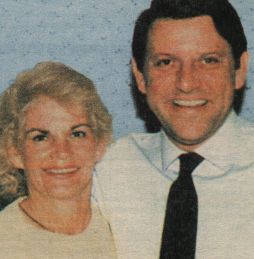
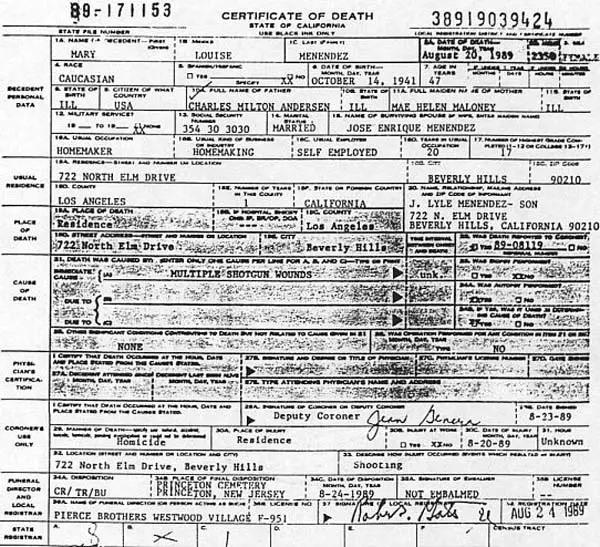
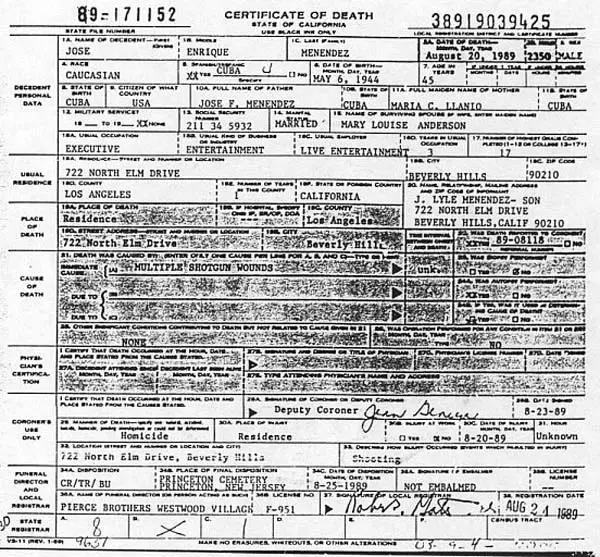
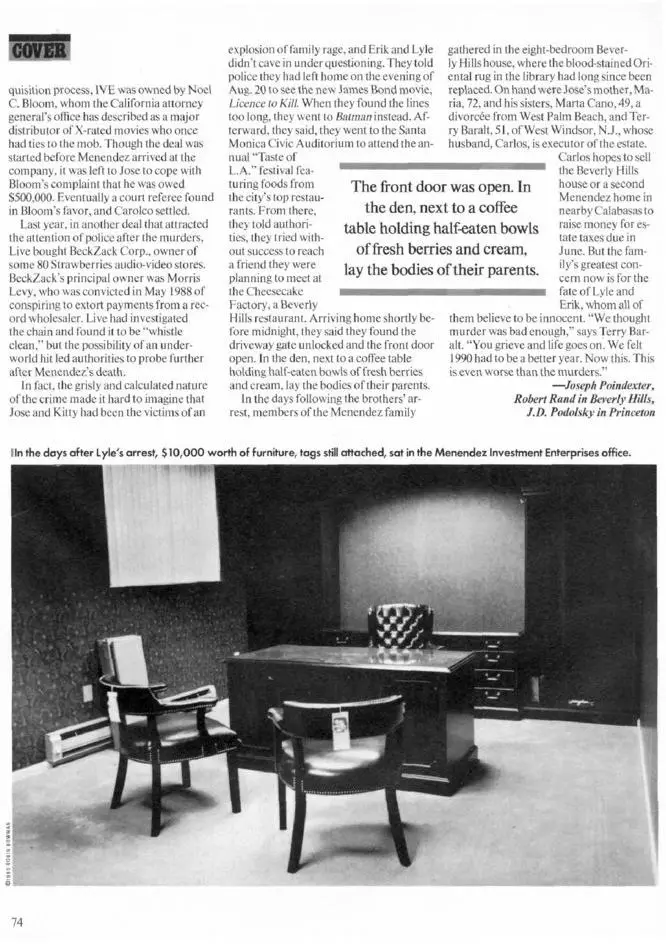
On August 20, 1989, the brothers executed their parents in the family den. Using 12-gauge shotguns, they fired multiple rounds at Jose and Kitty Menendez. After an initial volley, they reloaded to ensure the deaths, staging the scene with kneecap shots to suggest a mob-related hit. They subsequently attempted to establish alibis by attending a movie.
3. Investigation and Arrest
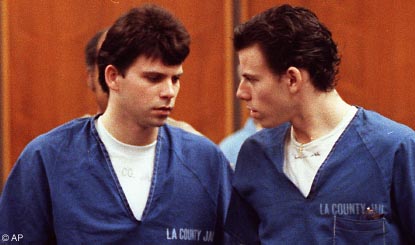
Police suspicion grew due to the brothers' lavish spending spree following the murders. The case broke when Erik confessed to his therapist, Dr. Jerome Oziel. The recordings of these sessions, combined with Lyle's threats against the therapist, provided the prosecution with the necessary evidence to secure an indictment.
4. Legal Proceedings and Outcome
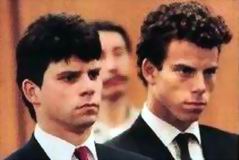
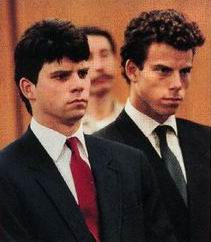
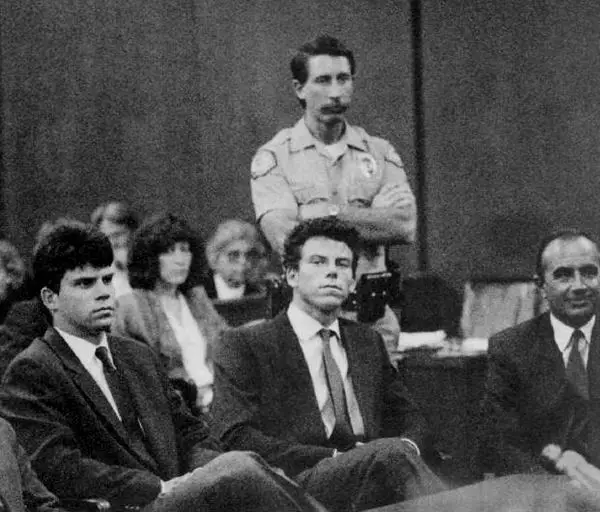
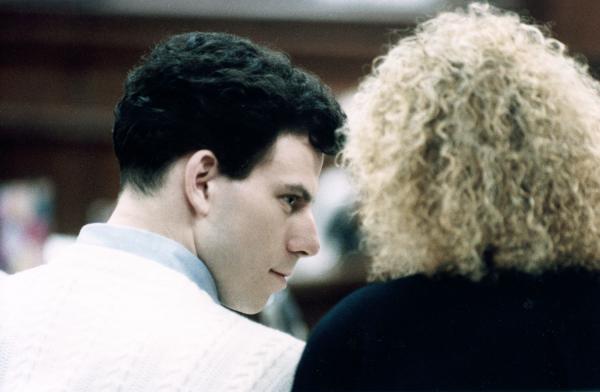
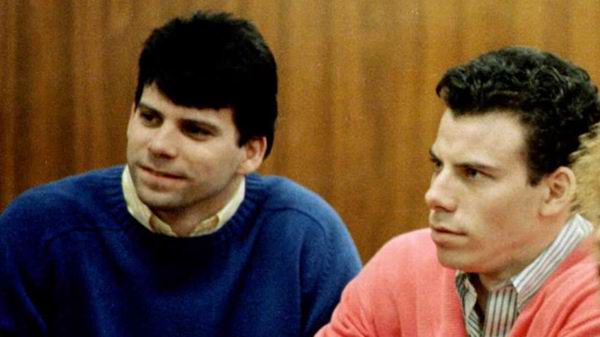
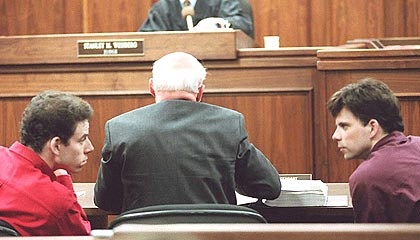
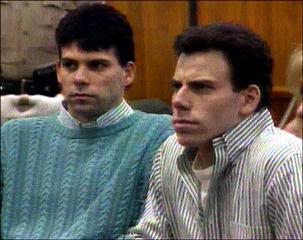
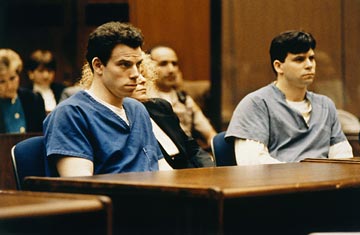
Following a highly publicized first trial that ended in a mistrial, the brothers were retried together. In 1996, they were convicted of first-degree murder and conspiracy. They were sentenced to life in prison without the possibility of parole, a verdict upheld by the California Supreme Court in 1998.