



Forensic & Criminological Matrix
| Parameter | Forensic Detail |
|---|---|
| Forensic Heading / Aliases | Timothy McKinney |
| Legal Identity | Timothy McKinney |
| Confirmed Victims | 1 |
| Attributed / Indicted Victims | 1 |
| Active Timeline | December 1997 |
| Jurisdiction / Area of Operations | Memphis, Tennessee |
| Criminological Classification | Murderer / Cop killer |
| Forensic Modus Operandi | Confrontation, escalation, and firearm execution |
| Weapon / Mechanism of Death | Firearm (unrecovered) |
| Motive / Behavioral Dynamics | Revenge and contempt for authority |
| Judicial Outcome | Death penalty (1999) |
1. Background and Profile
Timothy McKinney grew up in a disadvantaged environment with significant educational challenges. His criminal history began early, including a 1991 incident involving gunfire at police officers and a 1993 conviction for aggravated robbery. McKinney, who never knew his biological father, struggled with learning disabilities and left school in the ninth grade, later obtaining his GED while incarcerated. His parole status in 1997 was viewed by prosecutors as a failed opportunity for rehabilitation.
2. Crime Spree
In December 1997, at Crumpy's Comedy Club in Memphis, McKinney engaged in a series of confrontations after mistakenly believing his car had been stolen. After being ejected by off-duty officer Don Williams, McKinney returned to the club three times. During the final encounter, after a dispute with Officer Williams and his partner Frank Lee, McKinney shot Williams at point-blank range from behind, resulting in a fatal injury. He was also convicted of the attempted murder of Officer Lee.
3. Investigation and Arrest
The investigation relied heavily on eyewitness testimony, including that of Officer Frank Lee, who pursued the shooter through an alleyway. Despite the perpetrator's face being partially obscured, the identification was deemed credible. Prosecutors utilized circumstantial evidence, including witness descriptions of a gold vest worn by the shooter and McKinney's attempt to hide his vehicle and remove its license plates at his girlfriend's residence.
4. Legal Proceedings and Outcome
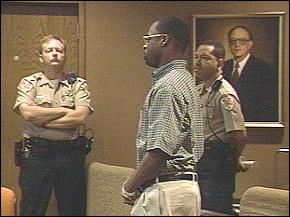
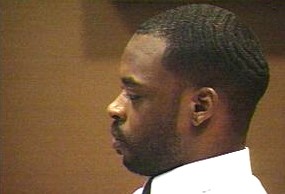
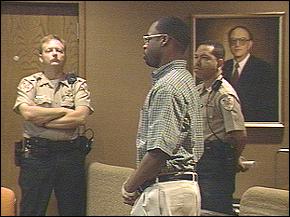
McKinney stood trial in 1999. His defense attempted to establish an alibi involving his girlfriend, Debra Kimble, which she failed to support under oath. The jury found him guilty of first-degree murder and attempted second-degree murder. Despite defense efforts to present mitigating factors regarding his upbringing and mental state, the jury sentenced him to death.
5. Psychiatric Assessment and Conclusion
During the penalty phase, defense experts suggested McKinney was under the influence of substances during the shooting. The prosecution successfully countered this by highlighting his ability to drive and execute a calculated, vengeful act. McKinney remains on death row.