




Forensic & Criminological Matrix
| Parameter | Forensic Detail |
|---|---|
| Forensic Heading / Aliases | null |
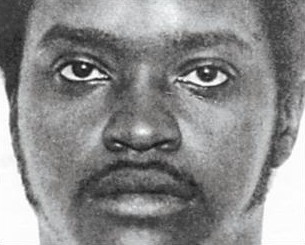
| Legal Identity | Duncan Peder McKenzie Jr. |
| Confirmed Victims | 1 |
| Attributed / Indicted Victims | 1 |
| Active Timeline | 1974 |
| Jurisdiction / Area of Operations | Pondera County, Montana, USA |
| Criminological Classification | Sexual Murderer |
| Forensic Modus Operandi | Abduction, rape, and fatal torture |
| Weapon / Mechanism of Death | Strangulation, blunt force trauma (exhaust manifold) |
| Motive / Behavioral Dynamics | Violent sexual impulses / Antisocial personality disorder |
| Judicial Outcome | Death sentence, executed by lethal injection |
1. Background and Psychopathy
Duncan Peder McKenzie Jr. was born on October 5, 1951, in Chicago, Illinois. Prior to his move to Montana, he had a criminal record for assault. He was employed by the K & K Wholesale Seed Company in Pondera County. Forensic evaluations during his trial highlighted a personality characterized by antisocial traits and severe difficulties in impulse control.
2. Crime Spree
On January 21, 1974, McKenzie abducted 23-year-old schoolteacher Lana Harding from her residence at the Pioneer School. The victim was subjected to rape and extreme physical torture. She was strangled with a rope and suffered fatal blunt force trauma to the head, inflicted by a vehicle exhaust manifold. Her body was discovered draped over a grain drill.
3. Investigation and Forensic Hunt
Law enforcement identified McKenzie after his 1948 Dodge pickup was spotted near the crime scene. Forensic evidence was overwhelming: blood matching the victim's type was found on McKenzie's work gloves and the vehicle's exhaust manifold. Furthermore, wire fragments found in the victim's hair matched a coil of wire recovered from the back of the defendant's truck.
4. Legal Proceedings and Outcome
McKenzie was arrested on January 22, 1974. In 1975, he was convicted of deliberate homicide by means of torture and aggravated kidnapping. The case became a landmark in constitutional law due to two decades of appeals regarding jury instructions on criminal intent (Sandstrom errors).
5. Psychiatric Evaluation and Execution
Despite defense claims of diminished capacity, the prosecution's psychiatric experts testified that McKenzie possessed the capacity to form criminal intent. After twenty years on death row and numerous stays of execution, Duncan McKenzie Jr. was executed by lethal injection at the Montana State Prison on May 10, 1995.