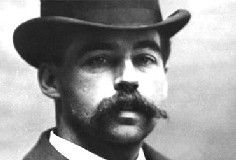
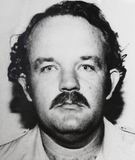
Forensic & Criminological Matrix
| Parameter | Forensic Detail |
|---|---|
| Forensic Heading / Aliases | The Malahide Murderer |
| Legal Identity | Henry McCabe |
| Confirmed Victims | 6 |
| Attributed / Indicted Victims | 6 |
| Active Timeline | March 31, 1926 |
| Jurisdiction / Area of Operations | Malahide, Dublin, Ireland |
| Criminological Classification | Mass Murderer |
| Forensic Modus Operandi | Arsenic poisoning and blunt force trauma, followed by arson |
| Weapon / Mechanism of Death | Blunt instrument and arsenic |
| Motive / Behavioral Dynamics | Economic / Employment-related |
| Judicial Outcome | Death penalty by hanging |
1. Background and Psychopathy
Henry McCabe was a gardener living in Malahide with his wife and nine children. He was employed by the McDonnell family at their estate, 'La Mancha'. The household consisted of four siblings—Peter, Joseph, Annie, and Alice McDonnell—and two servants, James Clarke and Mary McGowan.
2. Crime Spree
On the morning of March 31, 1926, McCabe reported a fire at the McDonnell residence. Forensic examination revealed that the victims had been beaten to death and poisoned with arsenic prior to the fire, which was set to destroy evidence of the slaughter.
3. Investigation and Arrest
McCabe was the primary suspect due to his presence at the scene and incriminating physical evidence, including blood-stained clothing and wearing the victim's trousers. Police investigations suggested he acted alone to cover up the murders.
4. Legal Proceedings and Outcome
McCabe stood trial in November 1926. The prosecution presented a strong case despite the lack of a clear motive, suggesting fear of job loss. He was convicted and sentenced to death, maintaining his innocence until his execution at Mountjoy Jail on December 9, 1926.