



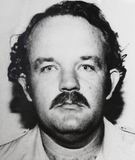
Forensic & Criminological Matrix
| Parameter | Forensic Detail |
|---|---|
| Forensic Heading / Aliases | None |
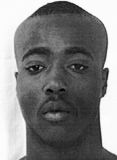
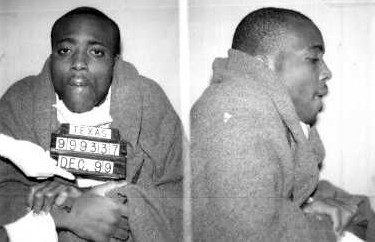
| Legal Identity | Milton Wuzael Mathis |
| Confirmed Victims | 2 |
| Attributed / Indicted Victims | 3 (including one survivor) |
| Active Timeline | December 15, 1998 |
| Jurisdiction / Area of Operations | Fort Bend County, Texas |
| Criminological Classification | Multiple murderer |
| Forensic Modus Operandi | Execution-style shooting (.45 cal) in drug house |
| Weapon / Mechanism of Death | .45 caliber handgun |
| Motive / Behavioral Dynamics | Robbery and substance-induced paranoia |
| Judicial Outcome | Death penalty (Executed June 21, 2011) |
1. Background and Psychopathy
Milton Wuzael Mathis was born on March 11, 1979. His youth was characterized by academic struggles and behavioral issues. His criminal history prior to the 1998 murders included aggravated robbery and assault. Legal proceedings heavily featured debates regarding his IQ and potential mental impairment, exacerbated by his history of PCP and 'Fry' abuse.
2. Crime Spree
On December 15, 1998, Mathis entered a known drug house in Fort Bend County. He shot Travis Brown III and Daniel Hibbard in the head. He also shot 15-year-old Melanie Almaguer in the head, leaving her paralyzed. He attempted to shoot other witnesses, but his weapon malfunctioned. He then set fire to the room and fled in a stolen vehicle.
3. Investigation and Arrest
Witness testimony from survivors, including Chris Lentsch and Esmerelda Lester, was pivotal. Mathis initially attempted to fabricate an alibi through his father and girlfriend. He was apprehended after being positively identified. Inmate testimony later revealed Mathis expressed no remorse for the killings.
4. Legal Proceedings and Outcome
Mathis was convicted of capital murder in 1999. His defense team argued self-defense and mental retardation. All appeals, including those regarding his competency and the exclusion of mitigating evidence, were denied by the Texas Court of Criminal Appeals and the Fifth Circuit Court of Appeals.
5. Forensic Psychiatric Evaluation and Execution
Despite claims of frontal lobe damage and low cognitive functioning, the state successfully argued that Mathis was street-savvy and legally competent. He was executed by lethal injection at the Huntsville Walls Unit on June 21, 2011.