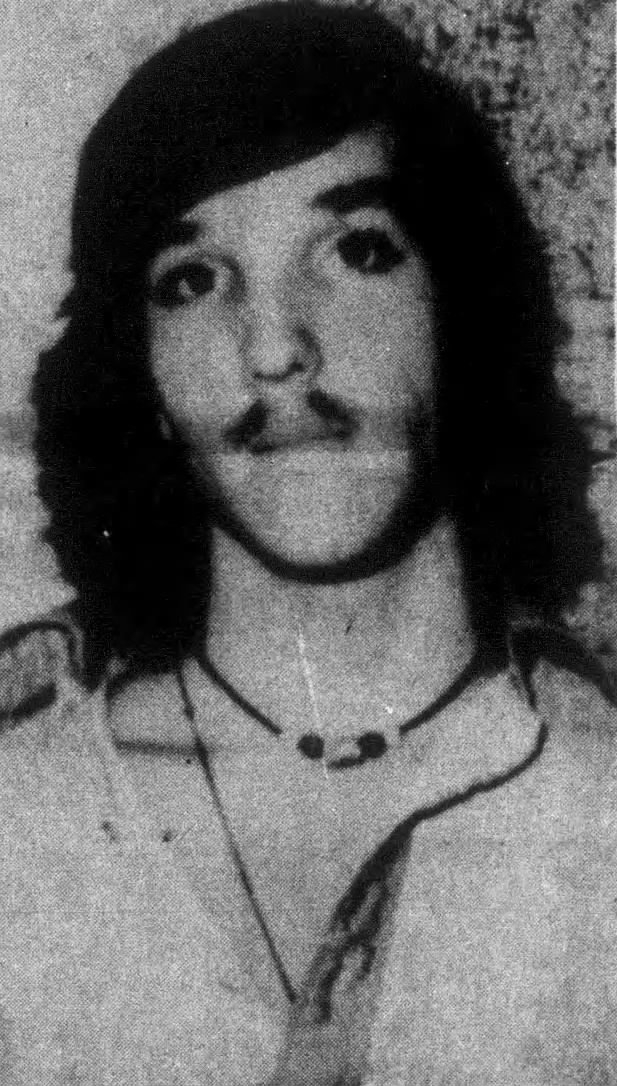




Forensic & Criminological Matrix
| Parameter | Forensic Detail |
|---|---|
| Forensic Heading / Aliases | None |
| Legal Identity | Richard Allen Masterson |
| Confirmed Victims | 1 |
| Attributed / Indicted Victims | 1 |
| Active Timeline | 2001 |
| Jurisdiction / Area of Operations | Houston, Texas, USA |
| Criminological Classification | Sexual Murderer / Recidivist |
| Forensic Modus Operandi | Manual strangulation ('sleeper hold') |
| Weapon / Mechanism of Death | Physical force / Strangulation |
| Motive / Behavioral Dynamics | Robbery and sexual gratification |
| Judicial Outcome | Death sentence (2002) |
1. Background and Profile
Born on March 5, 1972, Richard Allen Masterson had a significant criminal history prior to his 2001 capital murder conviction. His record includes burglary and theft convictions in Georgia and Tennessee. He served time in the Georgia Department of Corrections and the Tennessee Department of Corrections before moving to Texas, where he continued his criminal activities.
2. Crime Spree
On February 9, 2001, in Houston, Masterson murdered an adult male. He claimed the death occurred during a consensual sexual encounter where he applied a 'sleeper hold' at the victim's request. Following the murder, Masterson stole the victim's vehicle and fled to Georgia and Florida, where he was eventually apprehended for stealing another vehicle.
3. Investigation and Arrest
Houston Police Officer David Null conducted the primary interrogation at the Marion County Jail in Florida. Despite Masterson's later claims that his confession was coerced through promises regarding his nephew and the denial of counsel, the trial court found the confession to be voluntary and admissible. The investigation successfully linked Masterson to the crime scene and the stolen property.
4. Legal Proceedings and Outcome
Masterson was tried in Harris County, Texas. The defense attempted to argue for a lesser-included offense of criminally negligent homicide, but this was rejected. On May 15, 2002, he was sentenced to death. The Texas Court of Criminal Appeals affirmed the conviction, rejecting all eight points of error raised by the appellant, including challenges to the jury instructions and the constitutionality of the death penalty.
5. Behavioral Dynamics and Status
During the punishment phase, Masterson exhibited a lack of remorse and a propensity for violence, stating he would use force against guards or inmates if necessary. His history of gang affiliation (Aryan Brotherhood) and threats made to jail staff contributed to the jury's finding of future dangerousness. He remains incarcerated within the Texas Department of Criminal Justice.